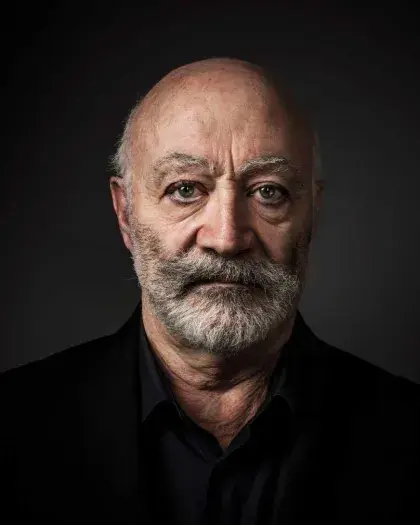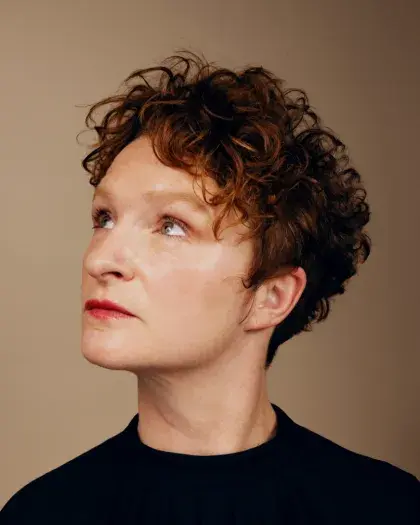
Discover the play
-
Ce malade imaginaire est également sous la coupe de sa seconde femme, Béline, affublée d’un notaire calculateur, qui dissimule sous ses soins dévoués l’espoir d’hériter au plus vite. Père tyrannique, l’hypocondriaque fâcheux, obnubilé par ses névroses, souhaite marier sa fille Angélique au neveu de Monsieur Purgon, son fidèle médecin traitant. Mais celle-ci, amoureuse du jeune Cléante, lui résiste au risque d’être envoyée au couvent. L’odieuse marâtre Béline ne fait qu’attiser le conflit. Il faudra l’opiniâtreté et les ruses de la servante Toinette pour que les masques tombent. La sincérité de certains apparaît enfin au grand jour tandis que d’autres, faussaires de l’amour et de la science, sont désavoués. Créée en pleine période de carnaval, la pièce se clôt sur la cérémonie d’intronisation d’Argan dans le corps médical, ultime parodie où Molière retranscrit en « latin de cuisine » les discours prononcés lors des réceptions à la Faculté de médecine de Paris.
Molière, l'auteur
Le Malade imaginaire met en scène un malade d’une vitalité surprenante tandis que Molière succombera presque en scène, le soir de la quatrième représentation, le 17 février 1673, dissimulant au public, à travers des grimaces risibles, les douleurs de ses convulsions. Si le charlatanisme des médecins est un thème privilégié de l’auteur, c’est la science médicale elle-même qui est attaquée dans cette farce satirique, doublée d’une sombre et lucide méditation sur la peur de la mort. Écrite par un Molière affaibli, victime des intrigues de Lully, en disgrâce royale, abattu par la mort de son fils et de son amie de toujours, Madeleine Béjart, sa dernière pièce est cependant une de ses plus brillantes comédies – comme s’il avait rassemblé toutes les ressources de son génie pour parvenir au sommet de son art.Claude Stratz, le metteur en scène
Grand metteur en scène et fin pédagogue, Claude Stratz est décédé en avril 2007. Après avoir fait ses débuts auprès de Patrice Chéreau au Théâtre des Amandiers de Nanterre, il dirige pendant dix ans la Comédie de Genève puis l’École supérieure dramatique de Genève. Il signe en 2001 cette nouvelle mise en scène du_Malade imaginaire_ qui connaît un immense succès. Il est nommé la même année directeur du Conservatoire national supérieur d’art dramatique de Paris. Sa mise en scène épurée restitue la palette infinie de cette « comédie crépusculaire » où la comédie et la tragédie sont étroitement liées. En collaboration avec le compositeur Marc-Olivier Dupin, il met à l’honneur l’excellence de cette comédie-ballet.Attention, ce spectacle sera joué au Théâtre éphémère.
-
Mise en scène : Claude Stratz
Assistante à la mise en scène : Marie-Pierre Héritier
Décors et costumes : Ezio Toffolutti
Assistante décors : Angélique Pfeiffer
Lumières : Jean-Philippe Roy
Musique originale : Marc-Olivier Dupin
Travail chorégraphique : Sophie Mayer
Conception des maquillages, des perruques et des prothèses : Kuno Schlegelmilch
Assistantes maquillages et prothèses : Elisabeth Doucet et Laurence Aué
Documents
-
Télécharger le PDF (819.08 KB)
Programme Le Malade imaginaire 11/12
Programme du Malade imaginaire, de Molière. Mise en scène de Claude Stratz au Théâtre Éphémère (saison 2011/2012).
Casting
-
-
-
et
Renaud Triffault : Polichinelle
Emma Cachau : Louison (en alternance)
Héloïse Giret : Louison (en alternance)
Cécile Vaubaillon : Louison (en alternance)et
Carole Ségura-Kremer : Soprano (en alternance)
Anne-Marie Jacquin : Soprano (en alternance)
Valérie Wuillème : Alto (en alternance)
Cornélia Schmid : Alto (en alternance)
Laurent Bourdeaux : Basse (en alternance)
Christophe Graperon : Basse (en alternance)
Christophe Ferveur : Ténor (en alternance)
Vincent Lièvre-Picard : Ténor (en alternance)
Jorris Sauquet : Clavecin
Emmanuelle Guigues : Viole de gambe (en alternance)
Marion Martineau : Viole de gambe (en alternance)