
Discover the play
-
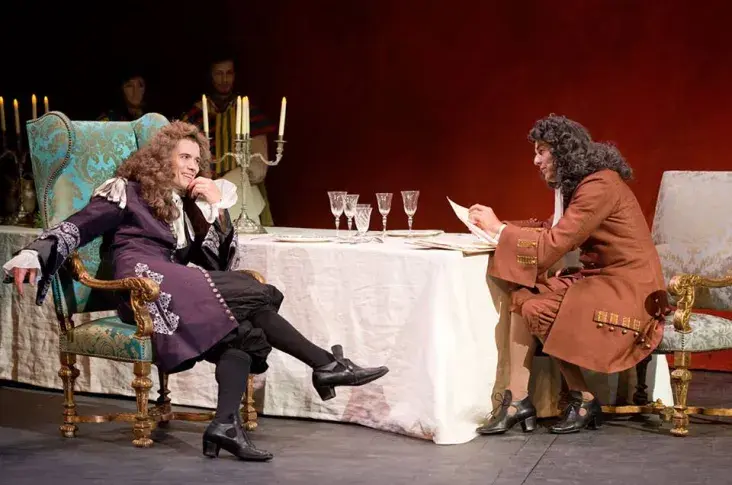
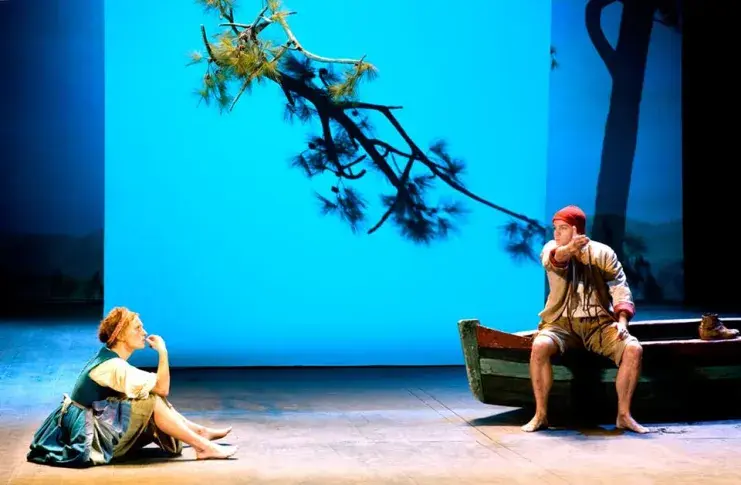
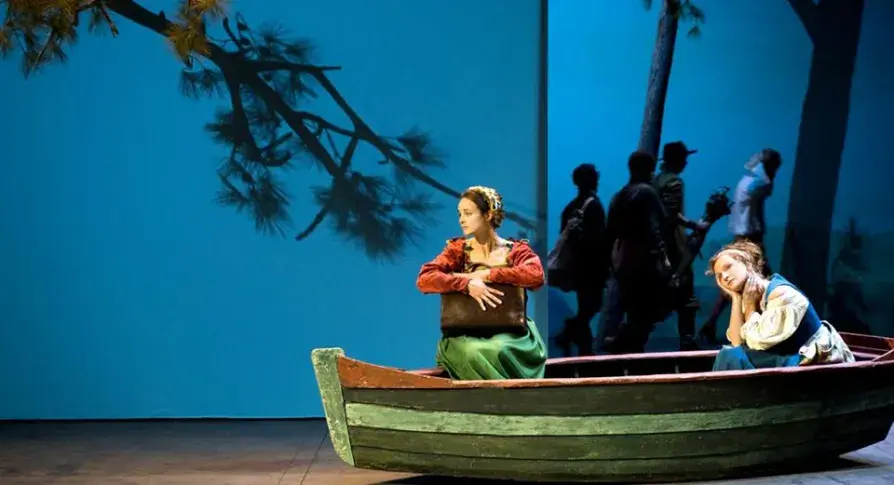
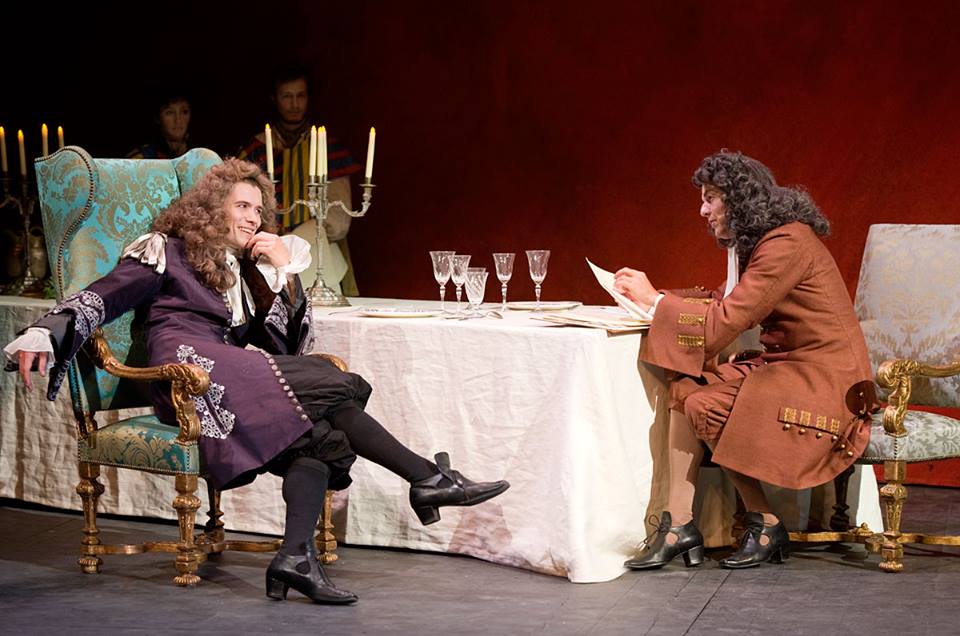
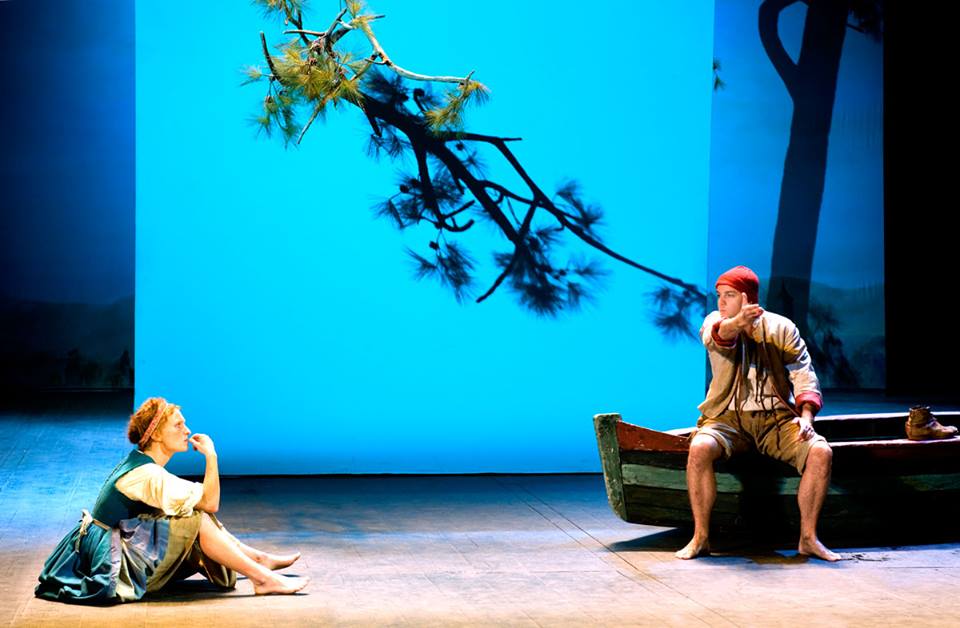
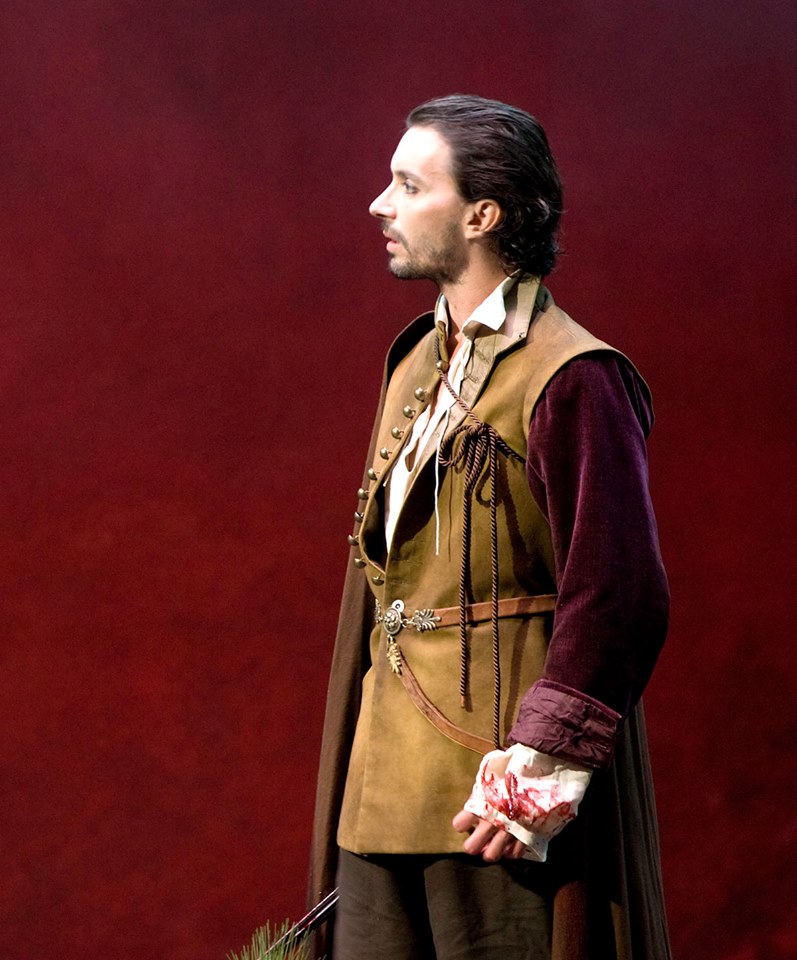
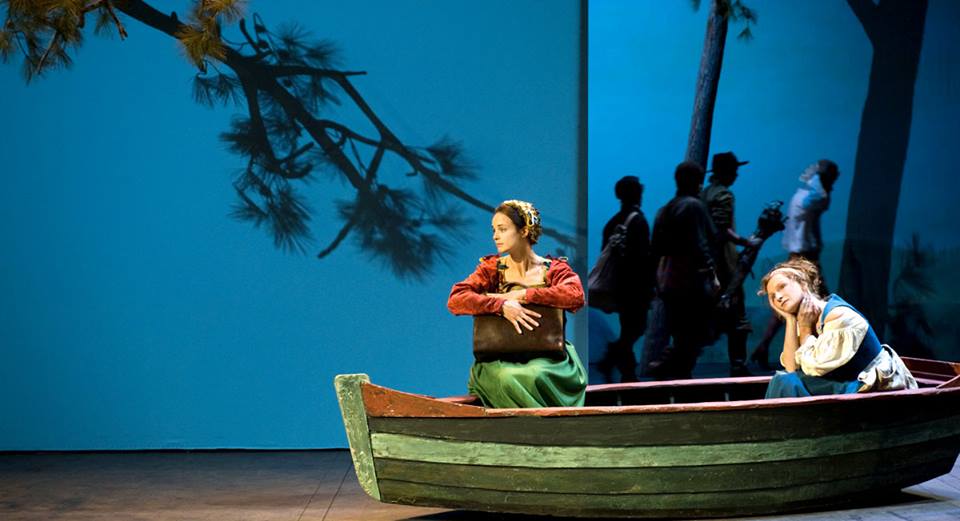
Une tempête le jette sur une plage où il promet d’épouser deux paysannes et gifle un pêcheur. Poursuivi par les frères d’Elvire, il doit fuir encore. Perdu dans une forêt, il va inciter un pauvre ermite au blasphème, sauver un des frères d’Elvire des bandits, et inviter à dîner la statue d’un Commandeur qu’il a tué naguère. Rentré chez lui, il envoie aux pelotes son principal créancier, refuse méchamment les remontrances de son père, tente de séduire à nouveau Elvire revenue lui parler de son salut. À sa grande surprise, la statue vient dîner et l’invite en retour. Sentant que sa situation commence à devenir périlleuse, Don Juan décide de tromper son monde (son père) en jouant les tartuffes et fait l’éloge de l’hypocrisie au pouvoir. Trop tard : après un duel raté, l’apparition d’un spectre de femme en allégorie de la mort, la statue revient et entraîne le jeune fou en enfer.
Molière, l'auteur
Lorsqu’il entreprend l’écriture du Festin de pierre en 1665, Molière (1622-1673) est encore échaudé par la querelle de L’École des femmes (1662) et par l’interdiction du Tartuffe (1664). Reprenant à son compte un des grands succès de l’époque, il y dénonce pour la dernière fois le règne de l’obscurantisme et de la dévotion. Après une quinzaine de représentations triomphales en 1665,Le Festin de pierre disparaît de l’affiche. Molière ne reprendra jamais cette pièce. Le jeune Louis XIV récompense son silence en autorisant en 1669_Le Tartuffe_ remanié. En 1677, après la mort de Molière, Armande Béjart demande à Thomas Corneille de faire du Festin de pierre une version « expurgée » et en vers que jouera la Comédie-Française jusqu’en 1847. La pièce ne prendra son titre définitif, Dom Juan ou le Festin de pierre, qu’après la mort de Molière.Jean-Pierre Vincent, le metteur en scène
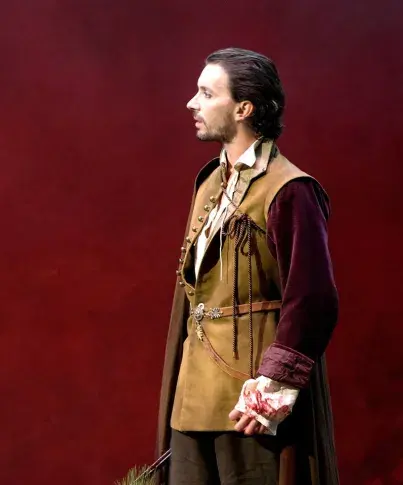
Jean-Pierre Vincent a dirigé le Théâtre national de Strasbourg, la Comédie-Française puis le Théâtre des Amandiers à Nanterre. Aujourd’hui, il partage son temps entre mise en scène et pédagogie et oriente son travail vers les écritures contemporaines. Il porte en lui le projet de Dom Juan depuis longtemps. Riche des multiples interprétations et orientations possibles de la pièce, mais aussi du mythe de Don Juan, sa mise en scène cherche à rendre le texte de Molière dans son activité plutôt que son actualité, un voyage au XVIIe siècle où chaque mot doit être joué au présent. Comme Ubu roi d’Alfred Jarry, qu’il a mis en scène au Français en 2009, la pièce s’articule autour d’un couple éternel et omniprésent, ici Don Juan et Sganarelle. Dans leur voyage, ils traversent le monde de manière étrange et décalée, combative, polémique, au milieu d’enjeux très graves et de fusées burlesques.Attention, ce spectacle sera joué au Théâtre éphémère.
En partenariat avec Accès Culture
-
Mise en scène : Jean-Pierre Vincent
Dramaturgie : Bernard Chartreux
Assistante à la mise en scène : Frédérique Plain
Décor : Jean-Paul Chambas
Collaboratrice artistique au décor : Carole Metzner
Costumes :: Patrice Cauchetier
Lumières : Alain Poisson
Son : Benjamin Furbacco
Maquillages : Suzanne Pisteur
Réglage des combats : Bernard Chabin
Documents
-
Télécharger le PDF (1.43 MB)
La pièce en images - Dom Juan
Parcours historique dans les collections iconographiques autour Dom Juan, de Molière. -
Télécharger le PDF (1 MB)
Fiche bibliographique Dom Juan ou le Festin de pierre 12/13
Sélection de Jean-Pierre Vincent pour le service éducatif -
Télécharger le PDF (974.52 KB)
Dossier de Presse Dom Juan ou le Festin de pierre 12/13
Dossier de presse de Dom Juan ou le Festin de pierre, de Molière. Mise en scène de Jean-Pierre Vincent, Théâtre éphémère (saison 2012/2013). -
Télécharger le PDF (965.68 KB)
Programme Dom Juan ou le Festin de pierre 12/13
Programme de Dom Juan ou le Festin de pierre. Mise en scène de Jean-Pierre Vincent au Théâtre éphémère (saison 2012/2013).
Casting
-
-
-
et
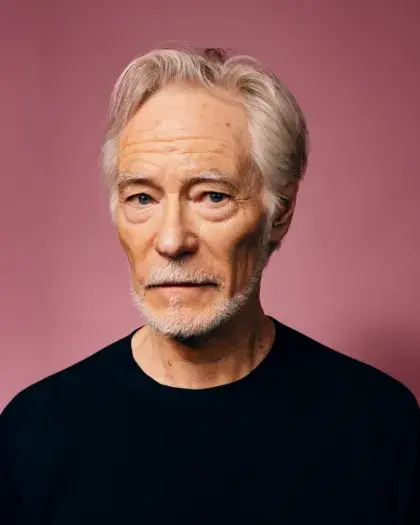
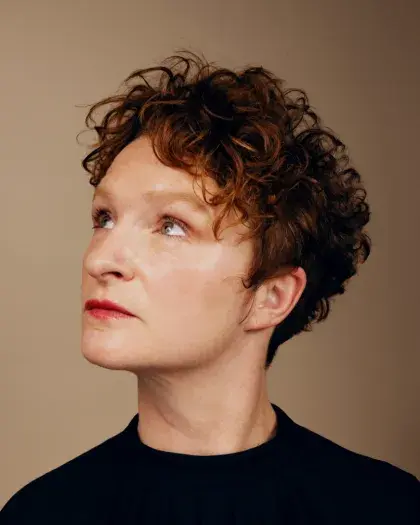
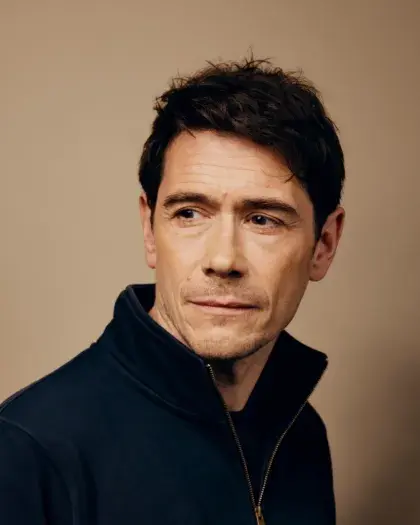
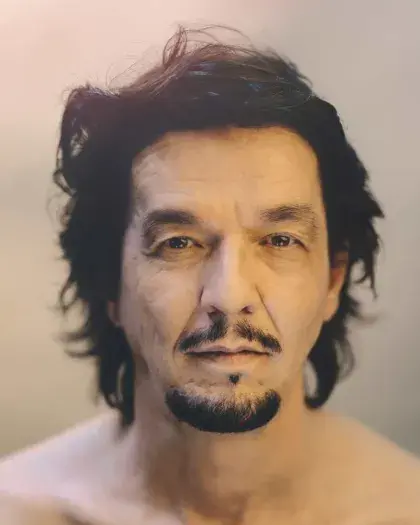
Jean-Michel Rucheton : la Statue du commandeur