
Discover the play
-
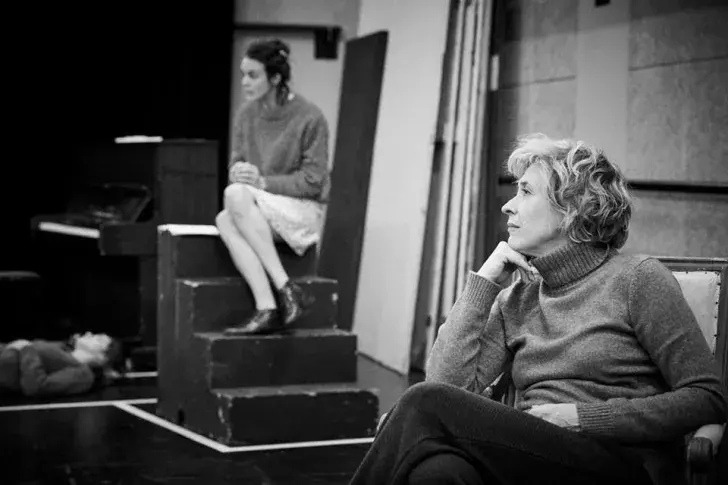
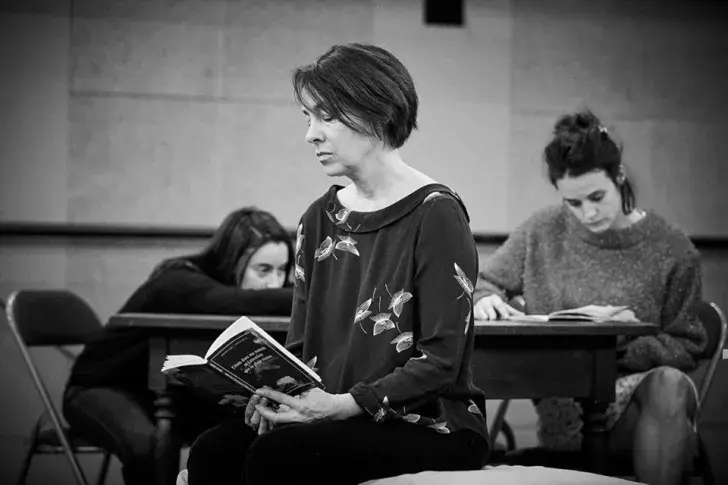
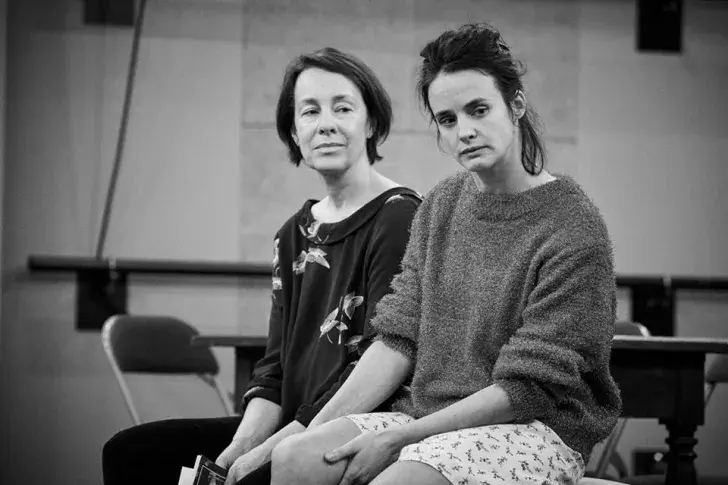
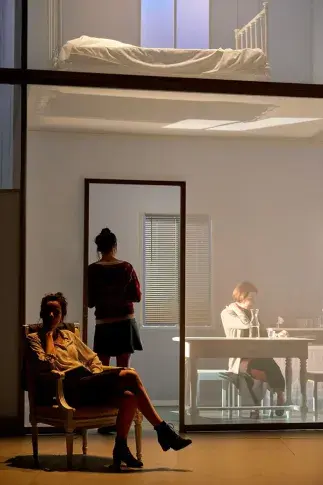
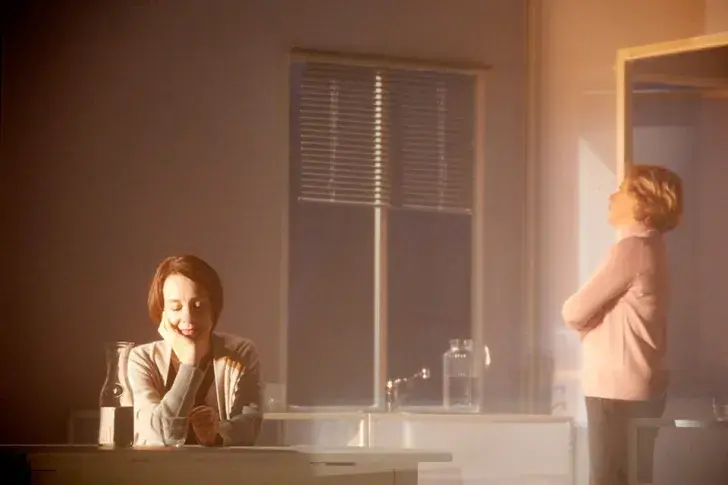
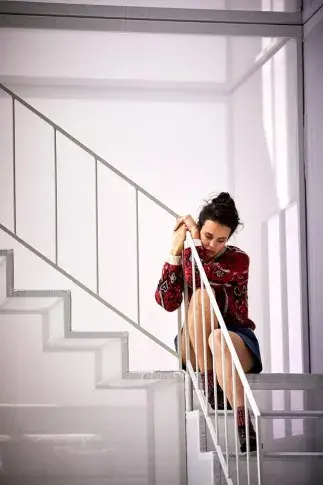
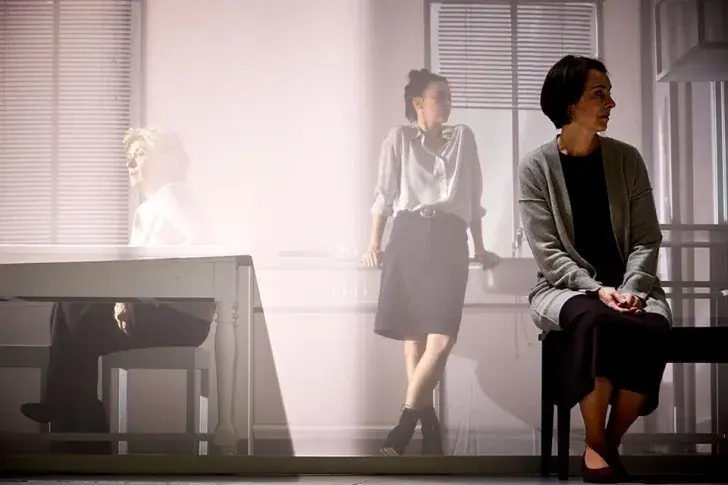
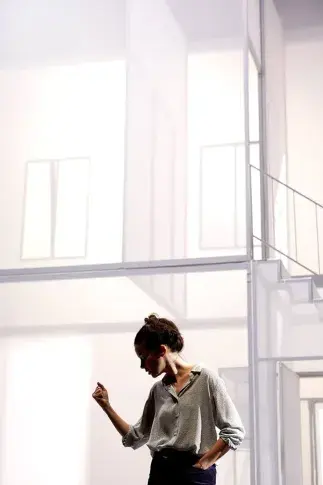
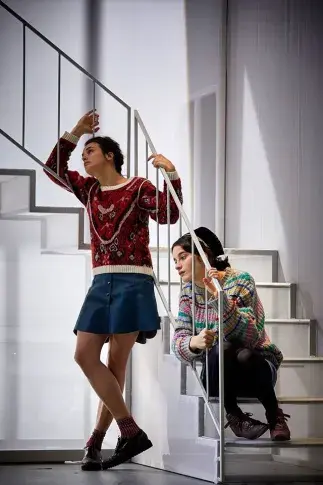
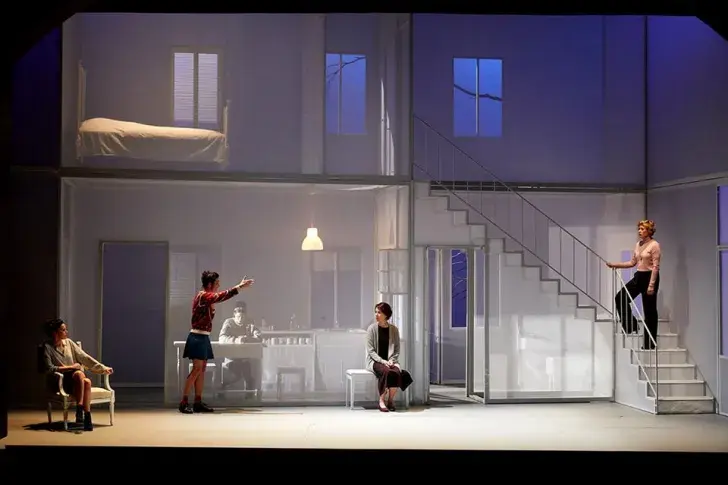
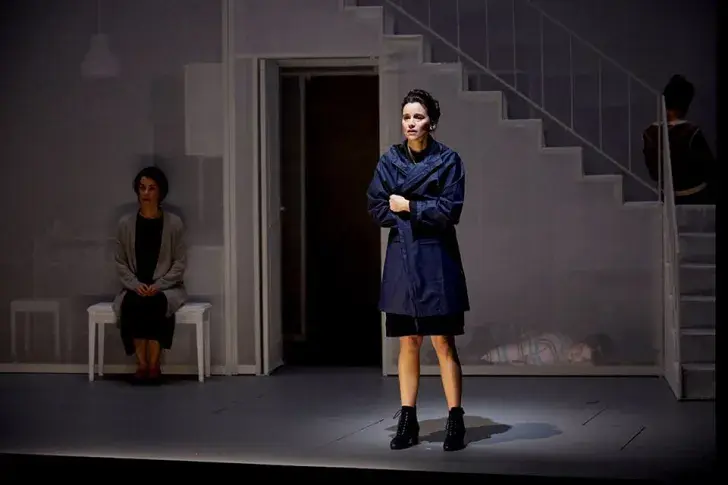
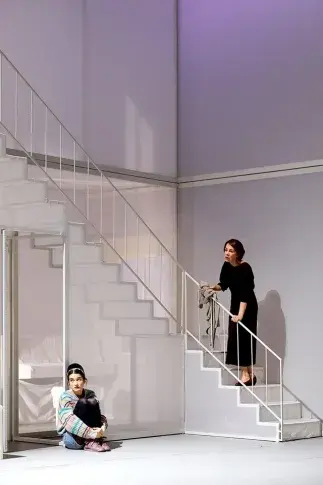
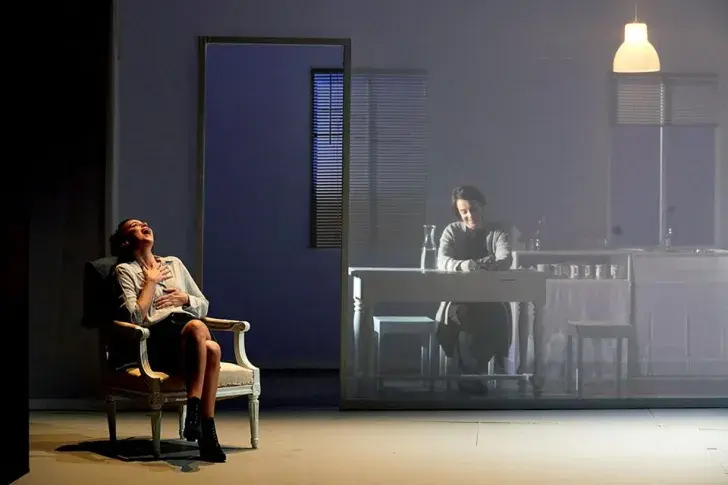
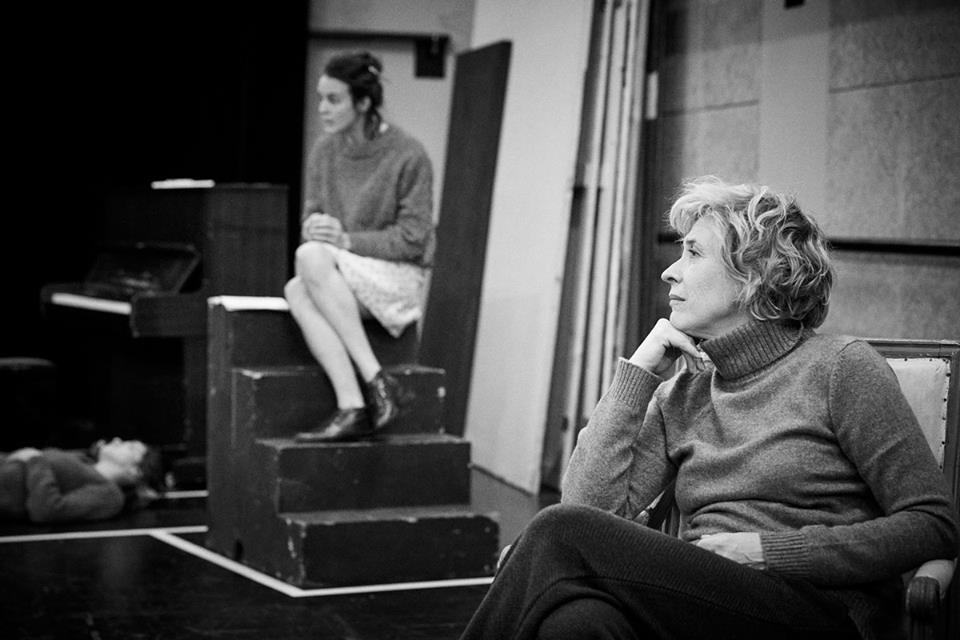
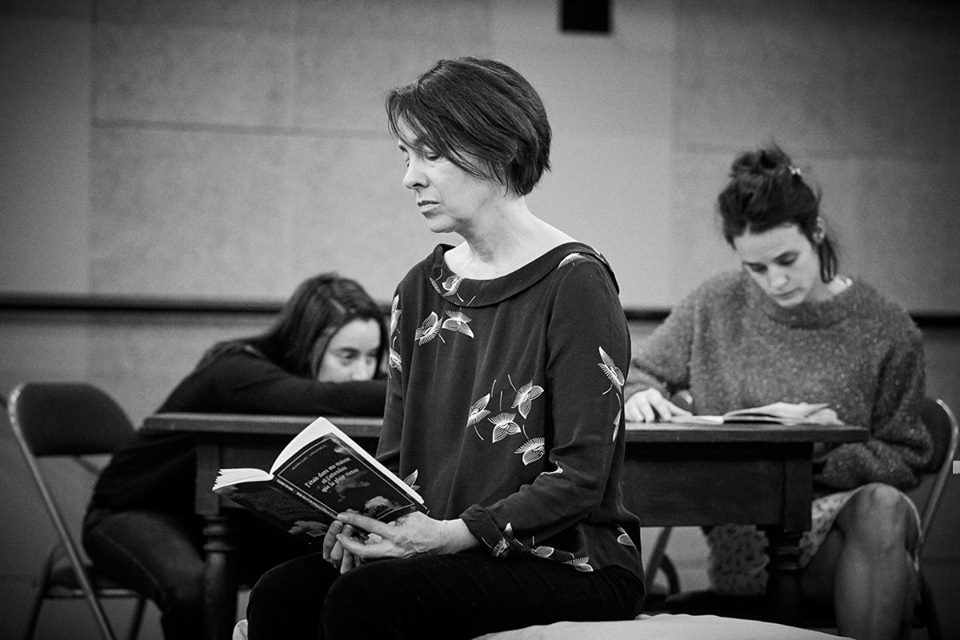
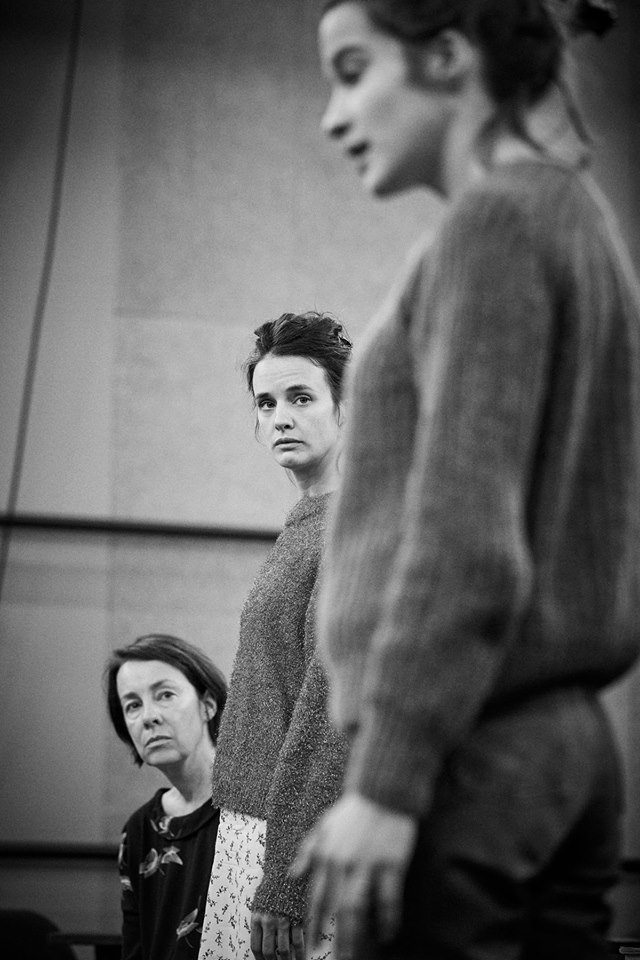
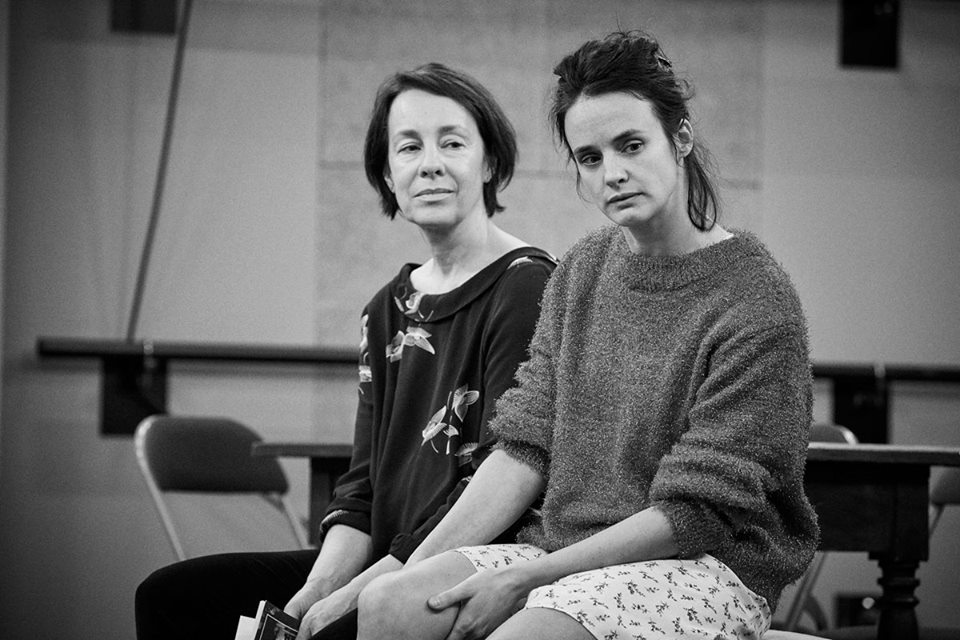
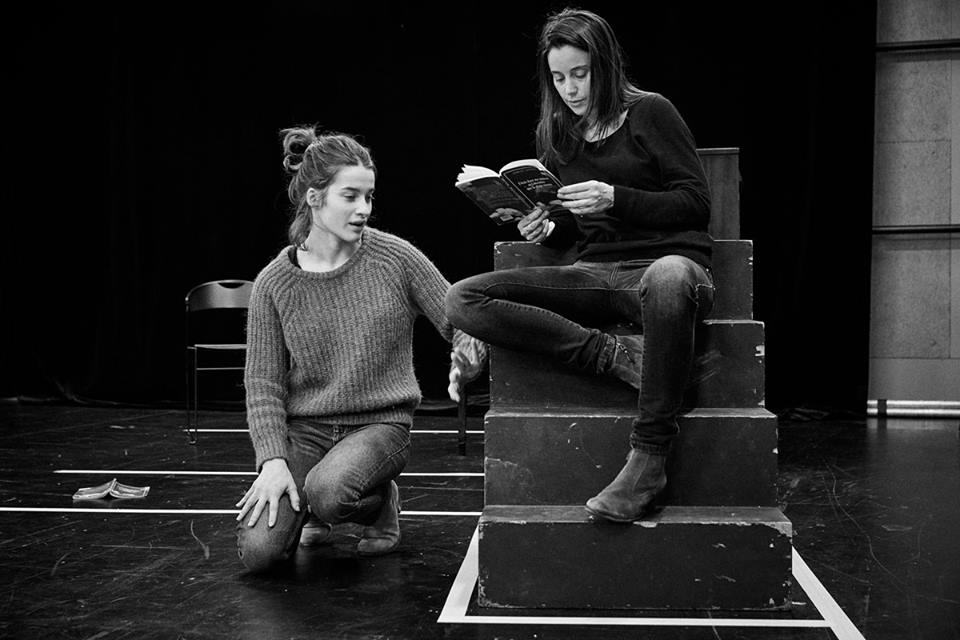
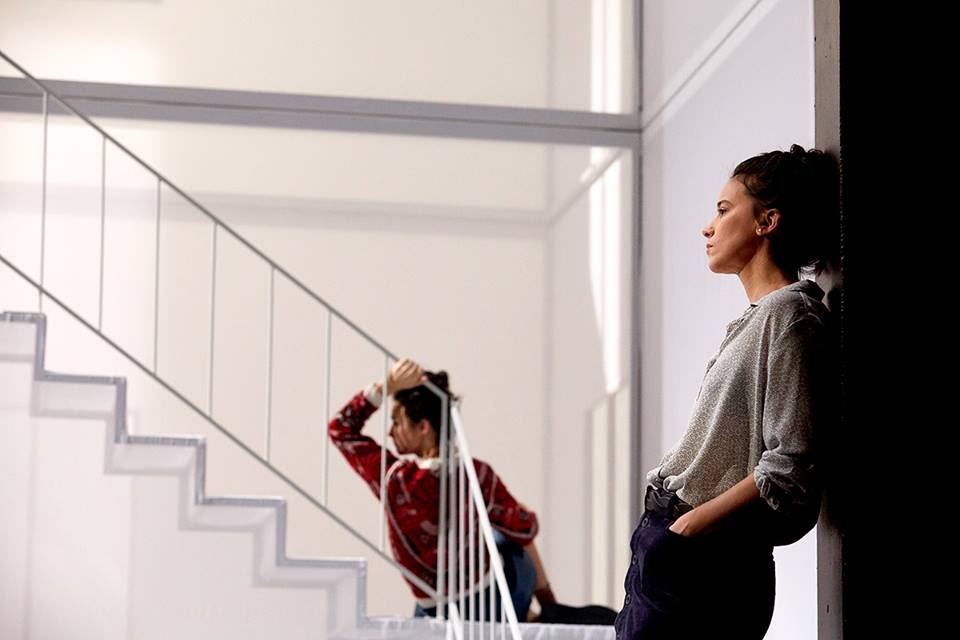
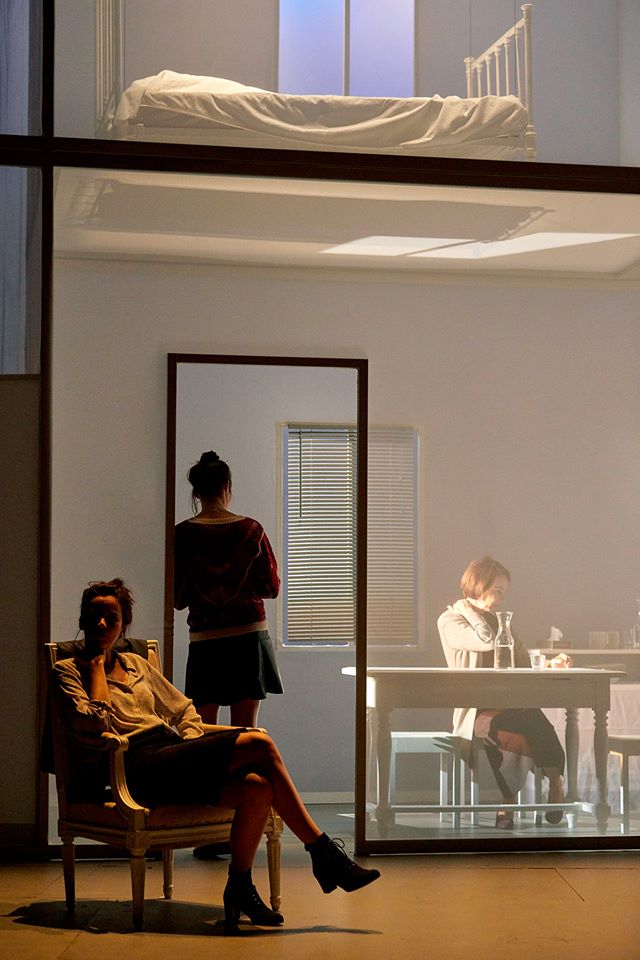
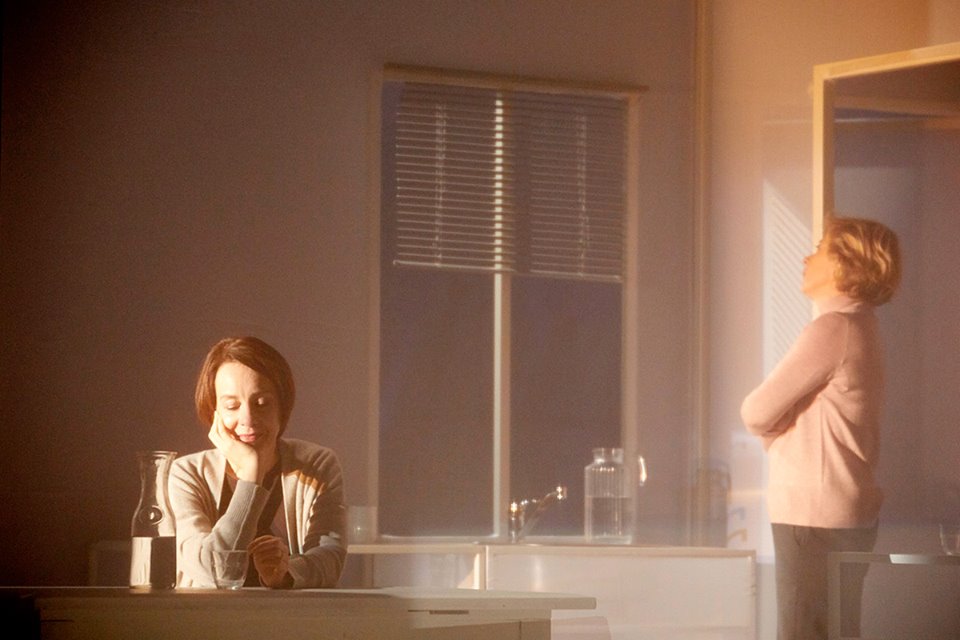
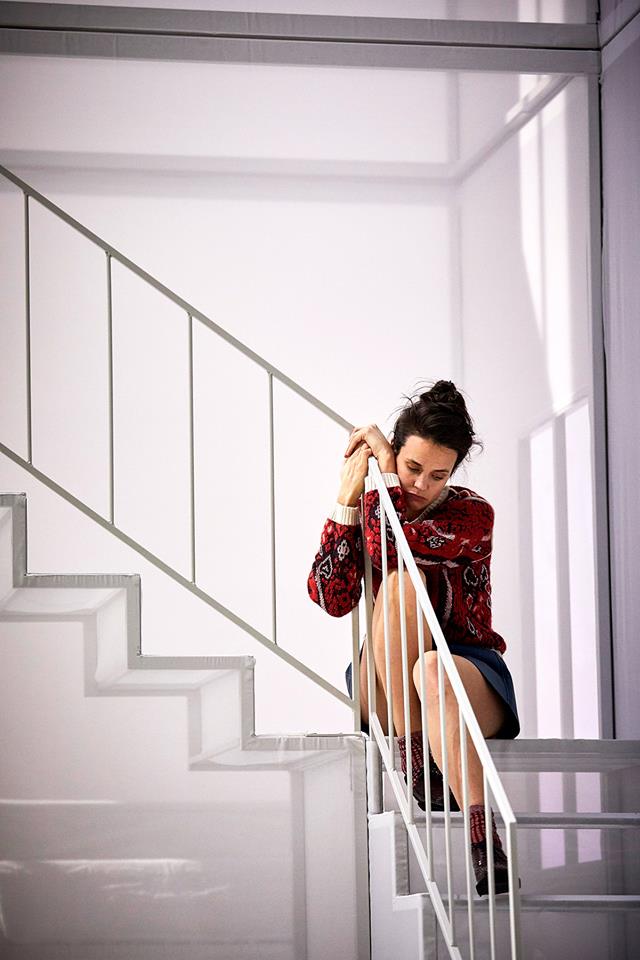
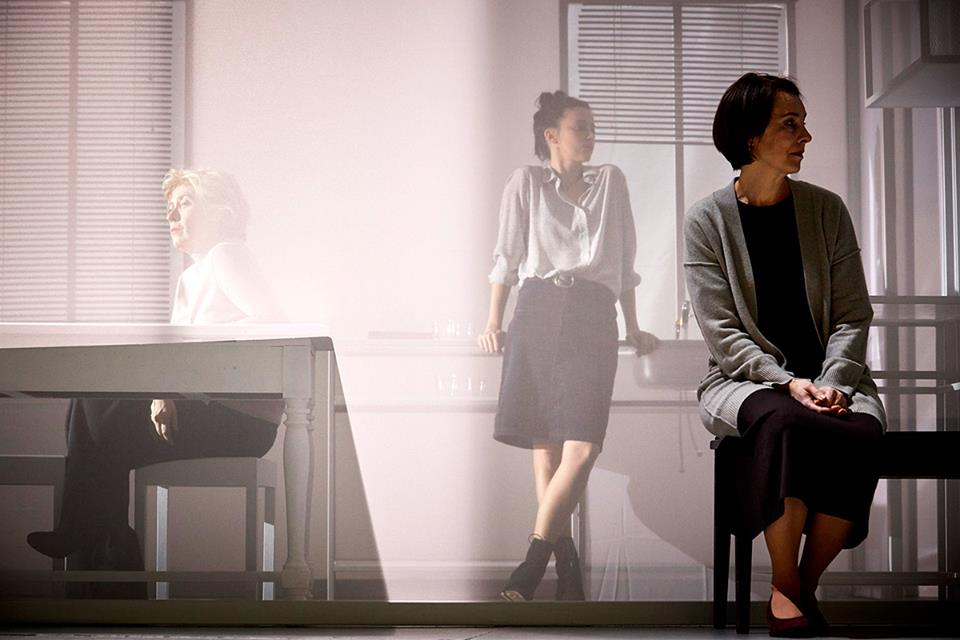
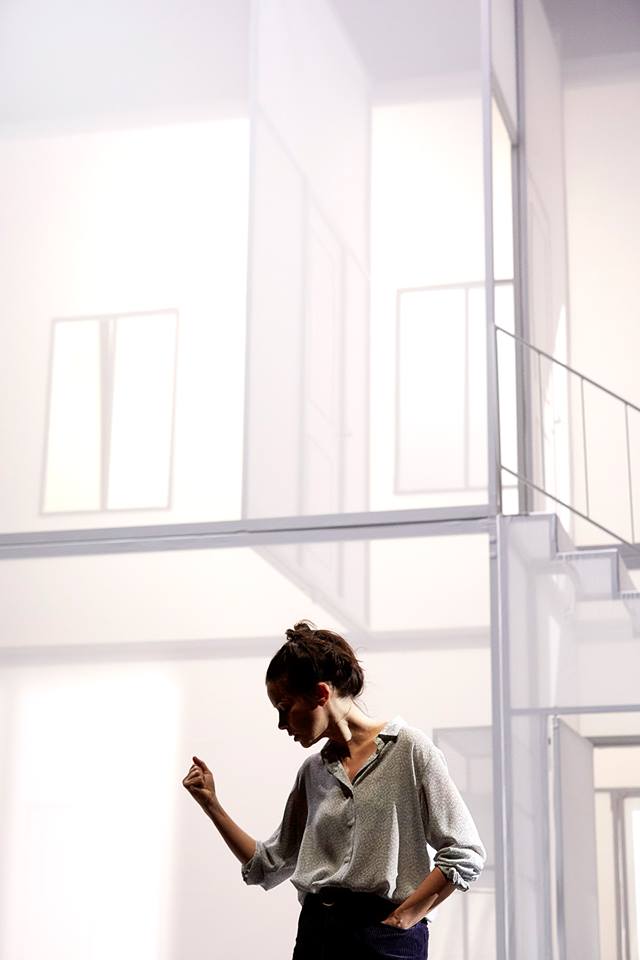
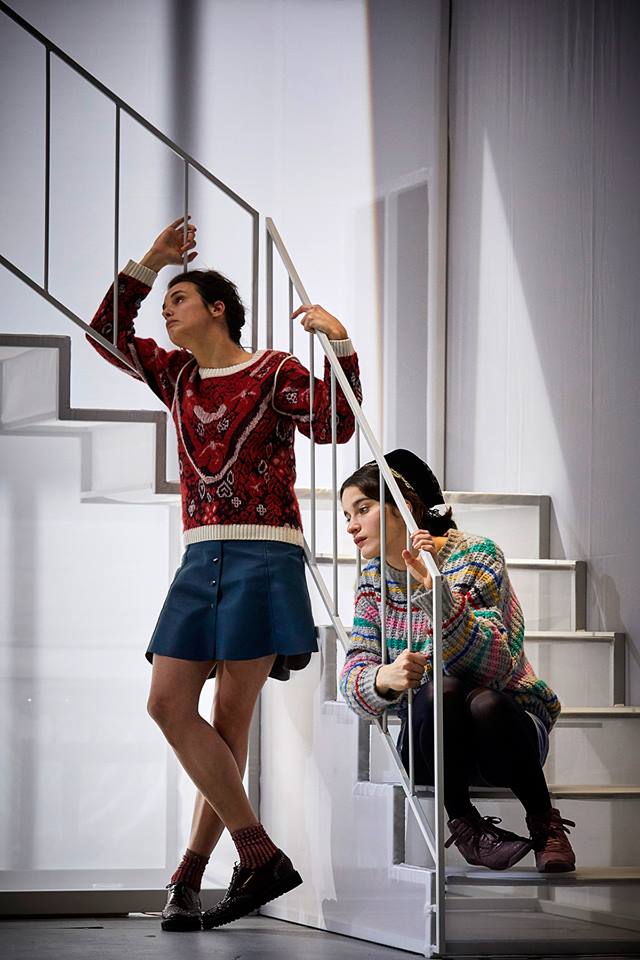
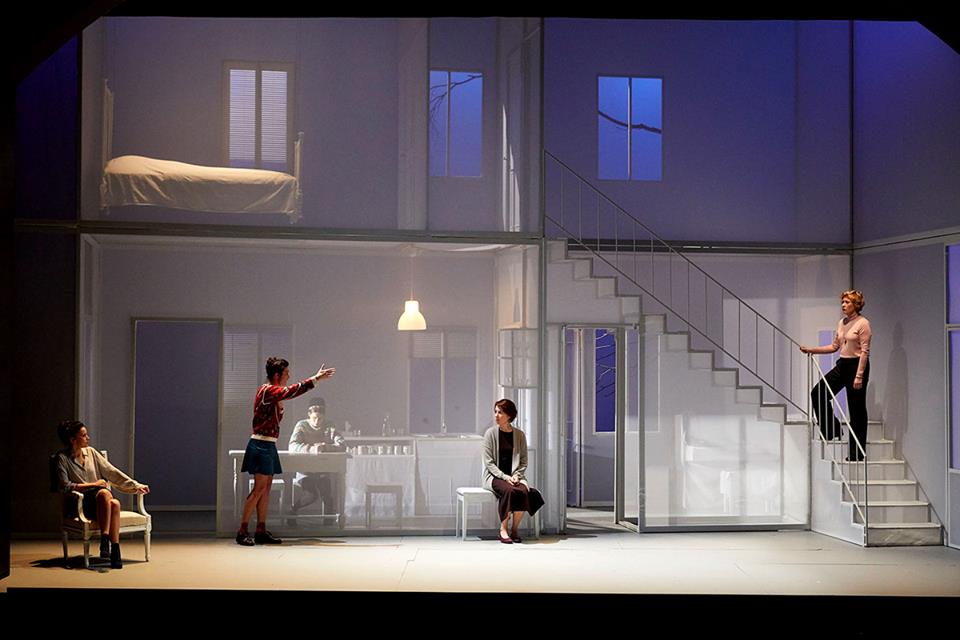
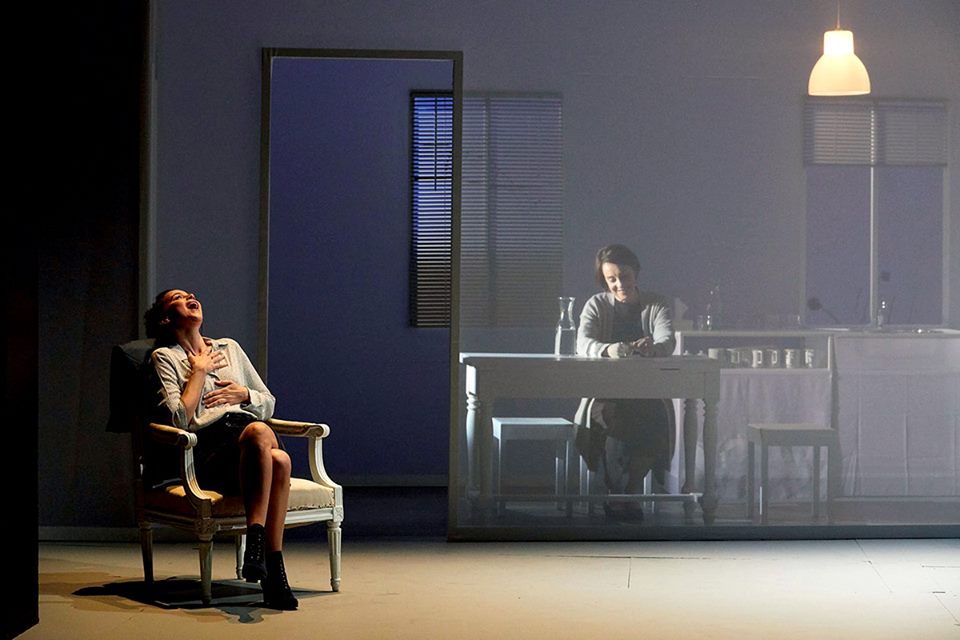
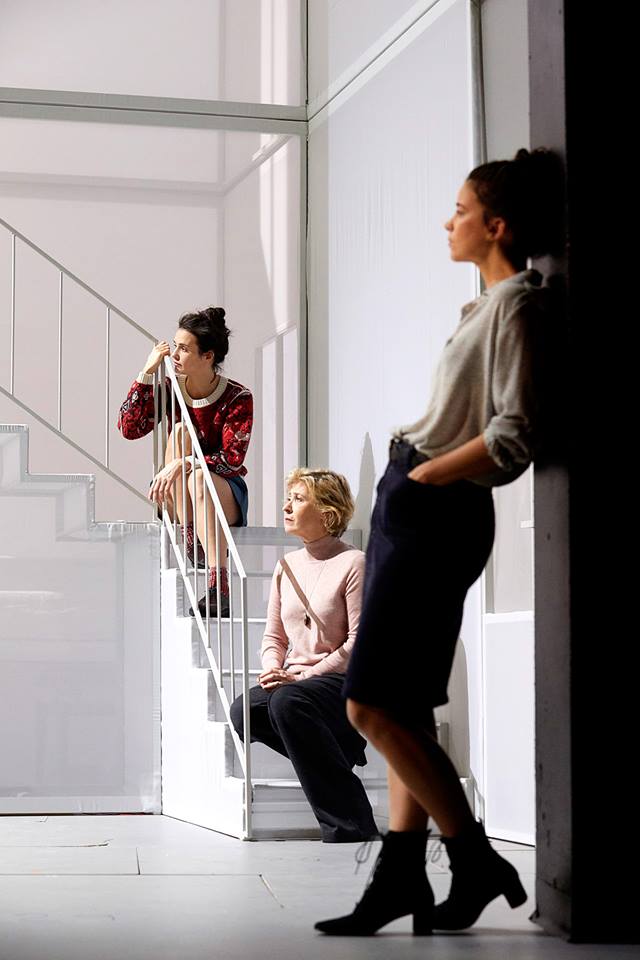
Jean-Luc Lagarce raconte ici le retour ultime du fils – ou du frère – dans la maison familiale, en écho à Juste la fin du monde, pièce avec laquelle l’auteur est entré au Répertoire en 2008 et qui a été récemment adaptée au cinéma par Xavier Dolan. Tel Ulysse, il revient de ses guerres, épuisé, et les femmes le couchent dans sa chambre où il sombre dans un sommeil éternel. Elles attendaient son retour pour commencer à vivre... Dès lors la parole se libère : « on lutte une fois encore, la dernière, à se partager les dépouilles de l’amour, on s’arrache la tendresse exclusive. On voudrait bien savoir. »
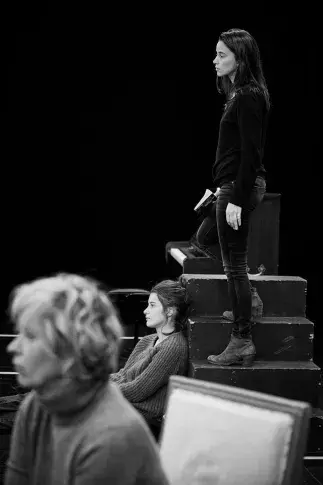
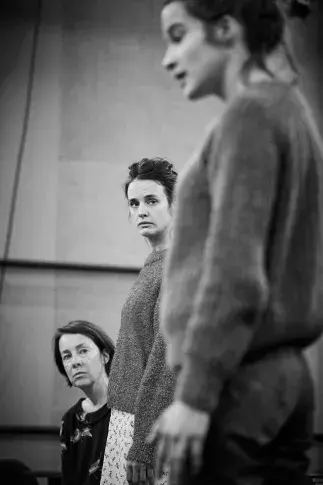
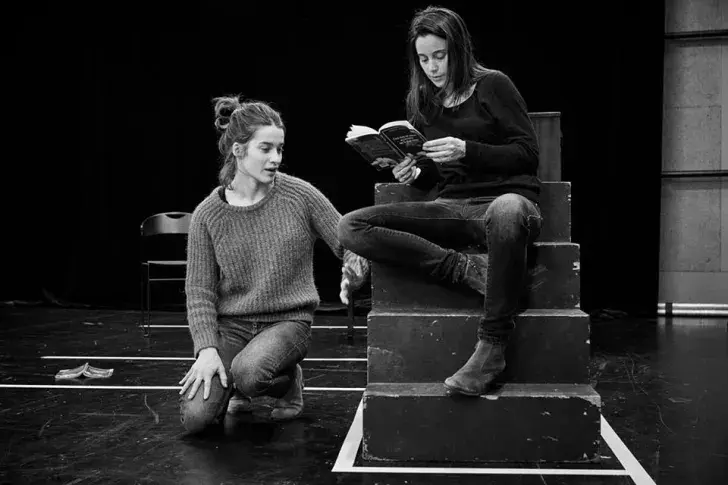
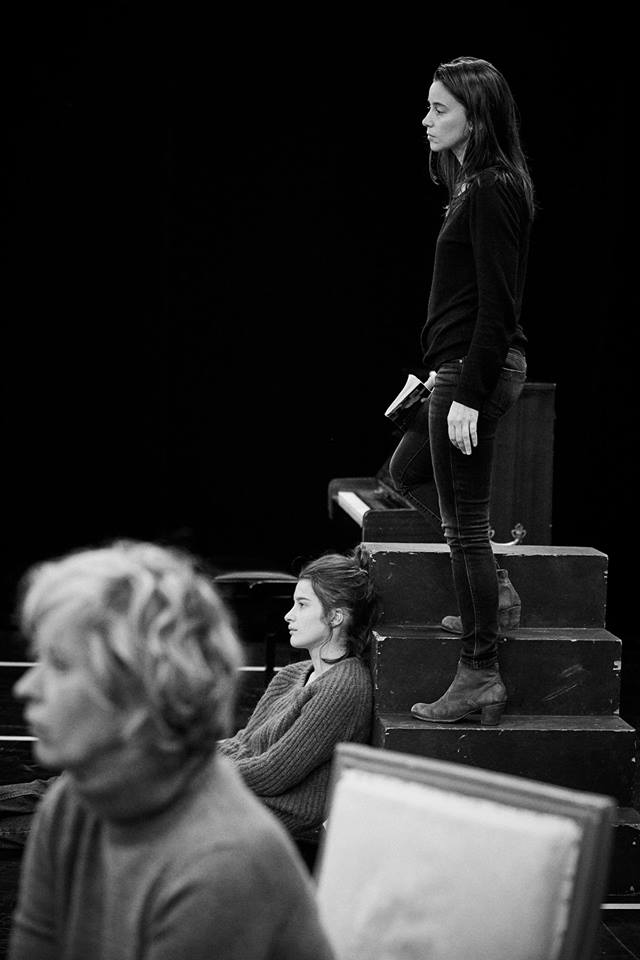
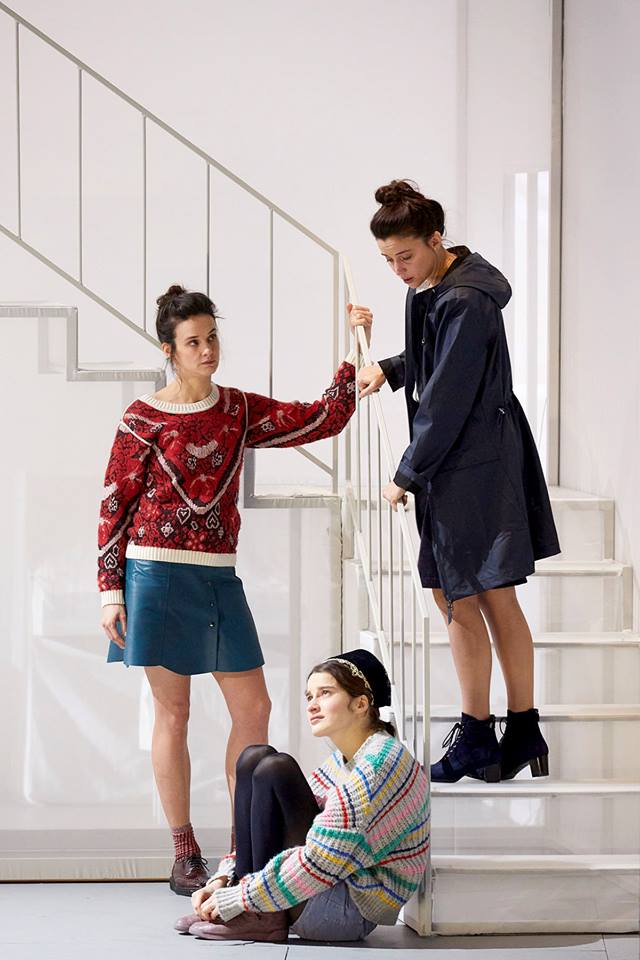
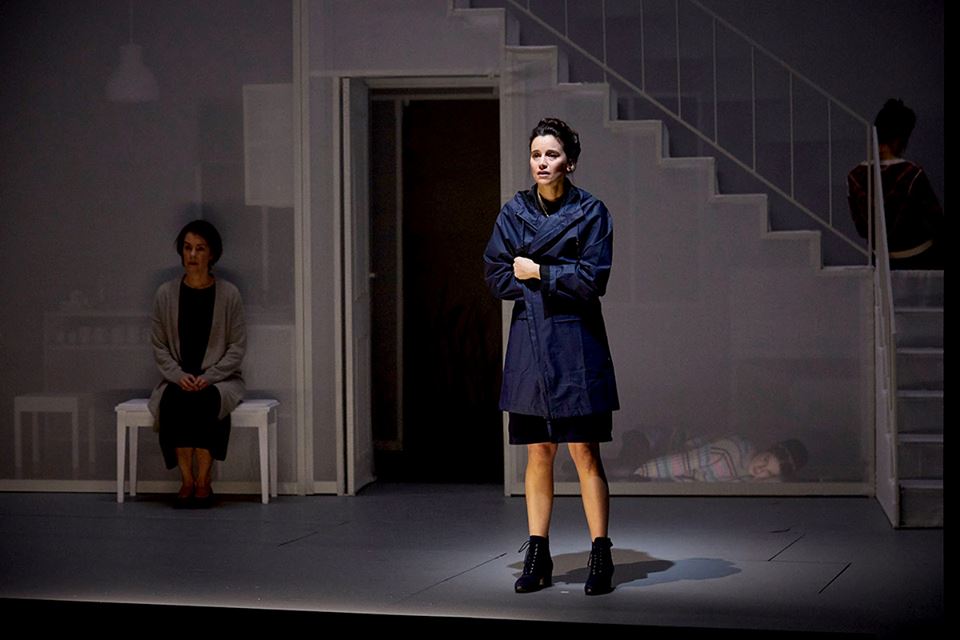
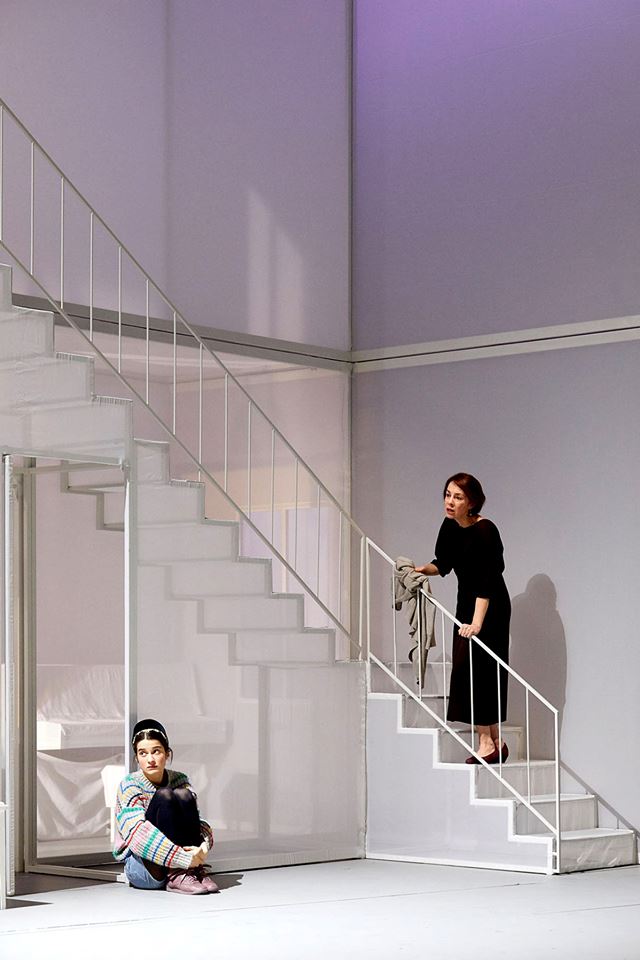
Cette pièce féminine, écrite par un homme, est confiée à Chloé Dabert qui signe, après Nadia C., sa deuxième mise en scène avec la Troupe. Elle rassemble une famille d’actrices à même d’incarner ces grands rôles du répertoire contemporain, proches des Trois Sœurs de Tchekhov, qui cherchent dans le flot des mots l’expression la plus juste de soi, avec maladresse parfois, colère ou joie. Cette partition fluide et rythmée invite à un travail précis, métronomique, mené ici comme une étape nécessaire à un jeu libre.J’étais dans ma maison et j’attendais que la pluie vienne est édité aux Solitaires Intempestifs. Une nouvelle édition de la pièce est à paraître en janvier 2018 dans la collection « Classiques contemporains », avec une préface d’Alexandra Moreira Da Silva.
______________________________
Rencontre publique
Mercredi 31 janvier à 14h30 au Théâtre du Vieux-ColombierCLASSIQUE CONTEMPORAIN ? (GENÈSE, CRÉATION et TRANSMISSION)
En présence de Chloé Dabert, metteure en scène ; Joël Jouanneau, auteur et metteur en scène ; Jean-Claude Lallias, conseiller théâtre pour le réseau Canopé (Éducation nationale) ; Alexandra Moreira Da Silva, traductrice en portugais de l’œuvre de Jean-Luc Lagarce et maître de conférences à l’Université Paris III – Sorbonne Nouvelle. Modérateur François Berreur (acteur, metteur en scène et directeur littéraire des Solitaires Intempestifs)Chez Molière et d’autres auteurs des XVIIe et XVIIIe siècles comme Dancourt et Goldoni, la famille est essentiellement régie par des rapports d’autorité que femmes et enfants tentent de bousculer. Cette tradition théâtrale est bouleversée par l’expression des émotions sous l’impulsion de Diderot. Avec Le Fils naturel et Le Père de famille il ouvre une brèche et va jusqu’à prôner des représentations familiales pour sensibiliser les auditeurs (prologue des Pères malheureux).Sa technique de narration vise à convaincre le spectateur de l’authenticité de la fiction, à défaut de son caractère autobiographique qui estampillera bien plus tard le théâtre de Lagarce. De la comédie larmoyante du XVIIIe siècle au théâtre de l’intime du XXe siècle, la cellule familiale vacille souvent, victime de plumes acérées, plus ou moins sombres. Les contrastes sont forts des comiques tranches de vies conjugales agrémentées de petits enfants insupportables ou de grands enfants ridiculisés dans les pièces de Courteline à la noirceur et au mal-être des personnages du théâtre scandinave.
Les histoires de famille finissent mal, en général…
La famille peut tuer : suicide de la petite fille dans la famille de naufragés décrite par Ibsen (Le Canard sauvage), suicide du père chez Strindberg (Père) entraîné dans la folie par une violente guerre conjugale née du doute instillé sur sa paternité. À l’inverse, l’absence d’enfant conduit Yerma (Yerma de Garcia Lorca) au meurtre de son mari qui lui refusait la maternité. L’enfermement des femmes crée une souffrance (La Maison de Bernarda Alba de Garcia Lorca), nourrit une attente insatiable (J’étais dans ma maison et j’attendais que la pluie vienne). Quant au retour du fils, il est, dramaturgiquement, un élément perturbateur de choix (Le Retour au désert de Koltès). La famille constitue, pour le théâtre plus intime de la fin du XXe siècle, une source d’inspiration inépuisable comme le montrent chaque saison, les textes du Bureau des lecteurs, des pièces comme La Maladie de la famille M. (Fausto Paravidino) ou le théâtre de Jean-Luc Lagarce dont la solitude des personnages et le retour du fils et du frère racontés dans J’étais dans ma maison et j’attendais que la pluie vienne ne vont pas sans rappeler Juste la fin du monde, précédente entrée au répertoire de l’auteur (2008).
-
Mise en scène : Chloé Dabert
Scénographie : Pierre Nouvel
Costumes : Marie La Rocca
Lumières : Kelig Le Bars
Musique : Lucas Lelièvre
Collaboration artistique : Sébastien Eveno
Documents
-
 Télécharger le PDF (1.12 MB)
Programme J'étais dans ma maison et j'attendais que la pluie vienne 17/18
Programme de J'étais dans ma maison et j'attendais que la pluie vienne, de Jean-Luc Lagarce. Mise en scène Chloé Dabert, Théâtre du Vieux-Colombier (saison 2017/2018). -
 Télécharger le PDF (1.08 MB)
La pièce en images - J'étais dans ma maison et j'attendais que la pluie vienne 17/18
HISTOIRES DE FAMILLE À LA COMÉDIE-FRANÇAISE