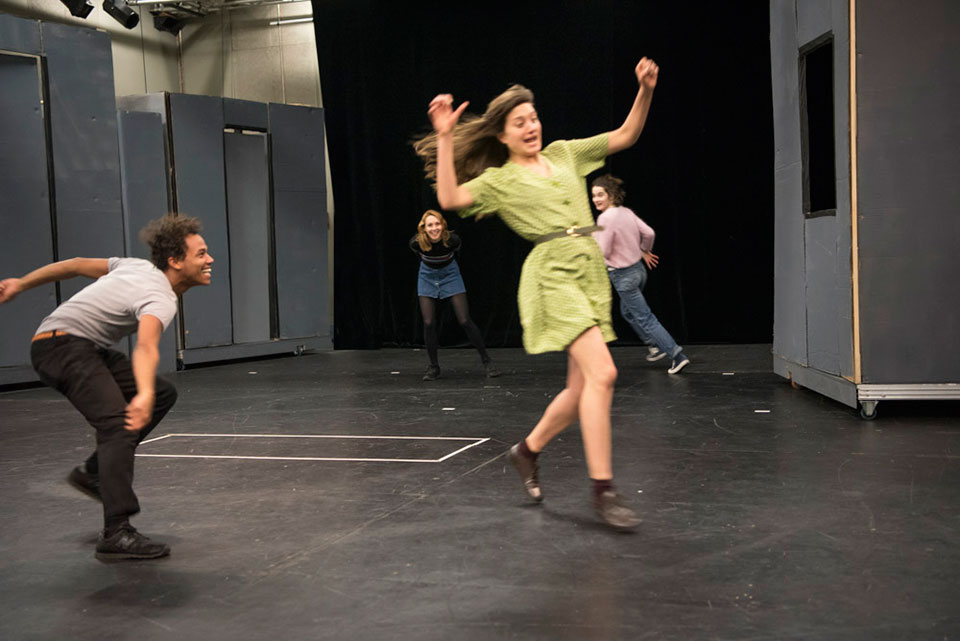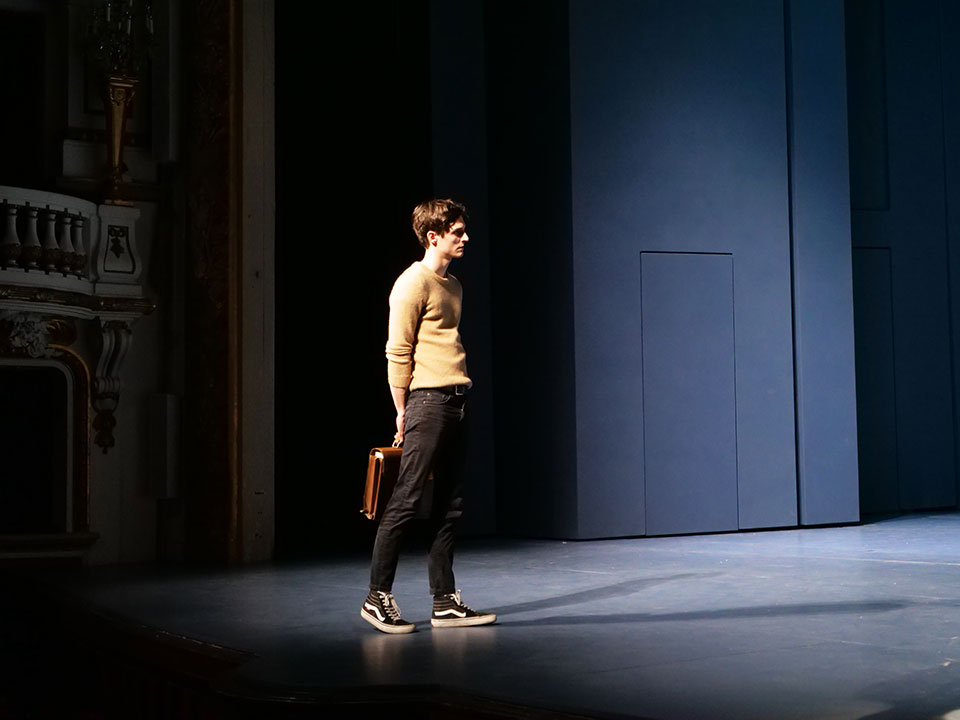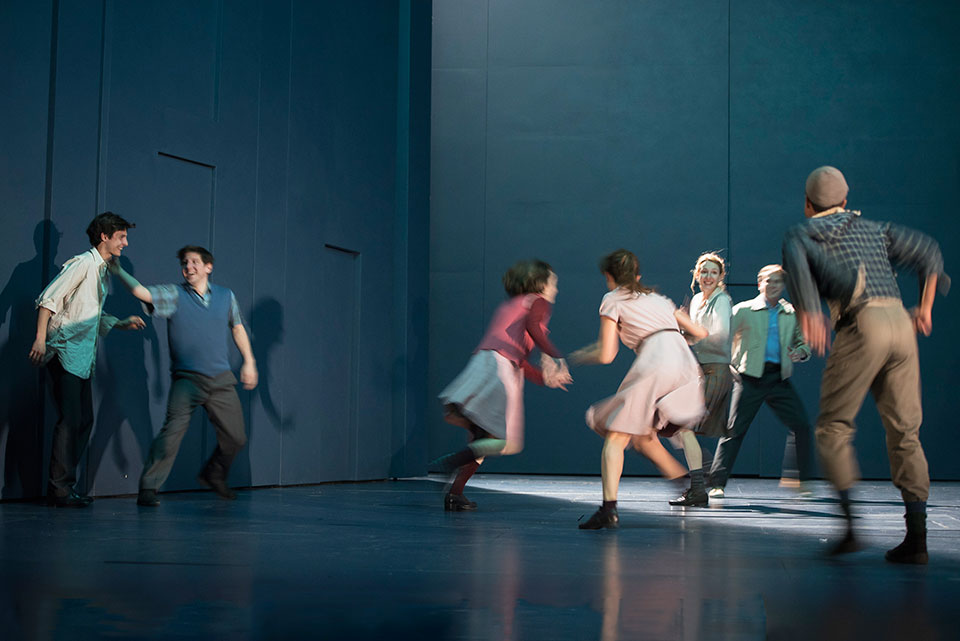

Discover the play
-
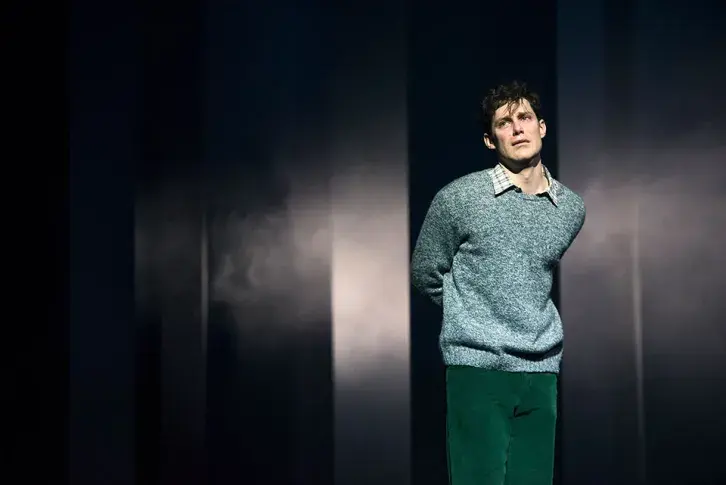
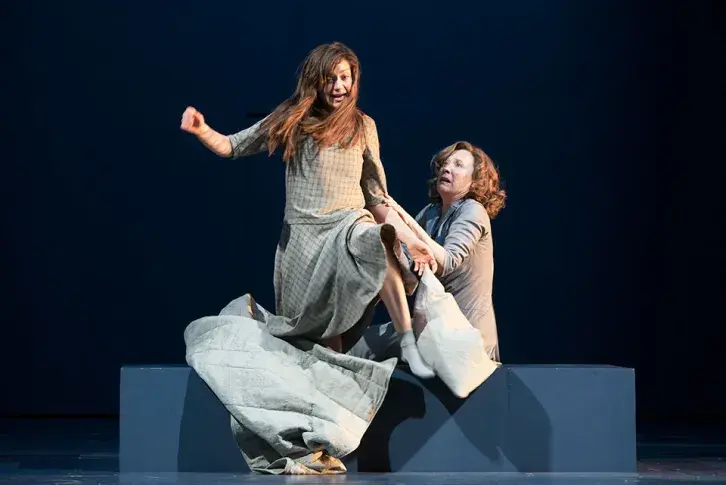
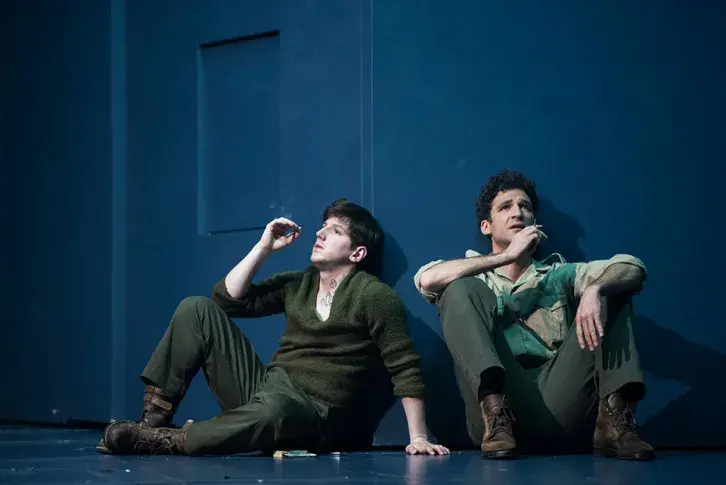
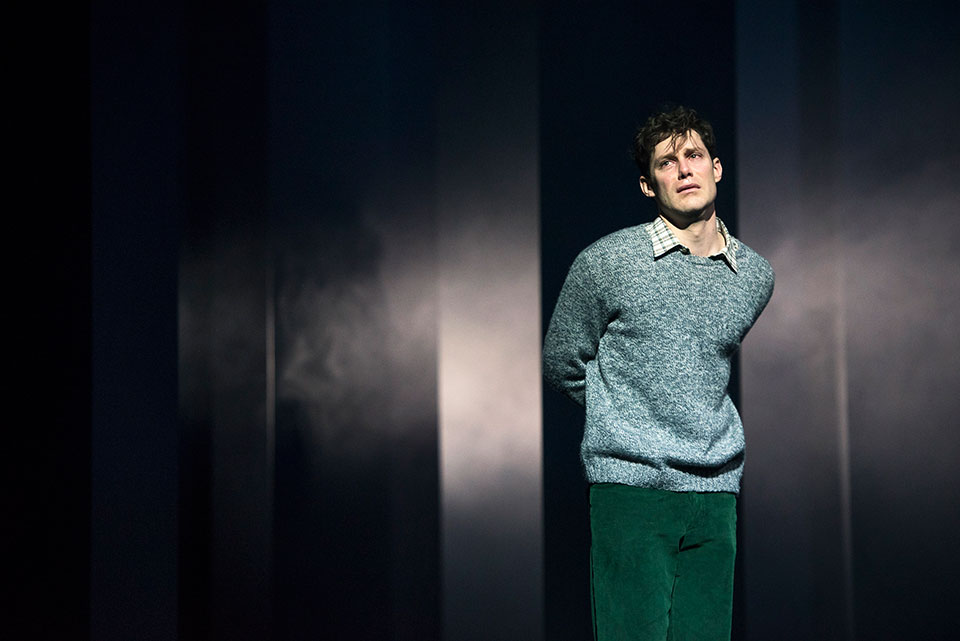
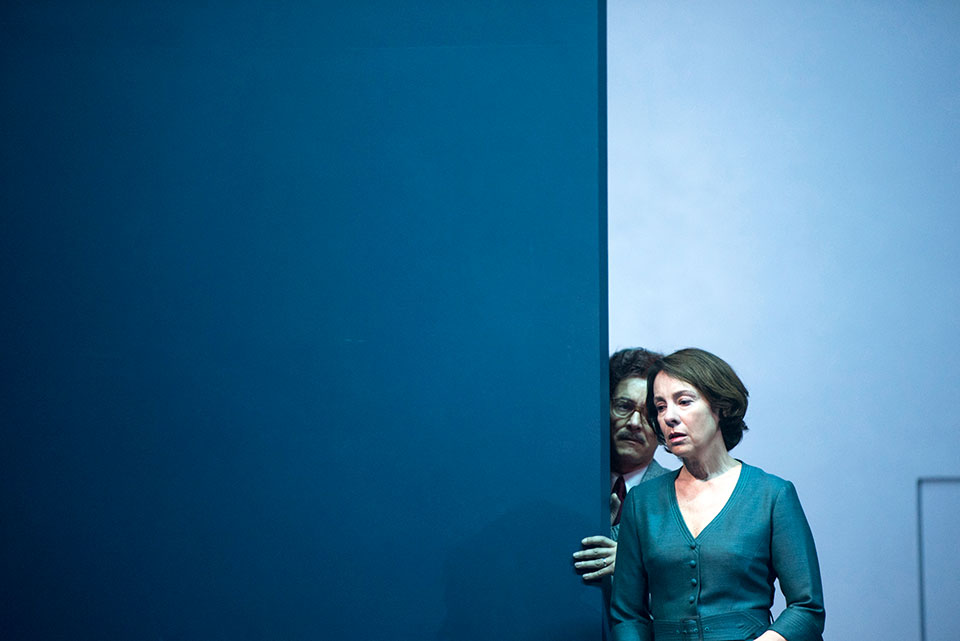
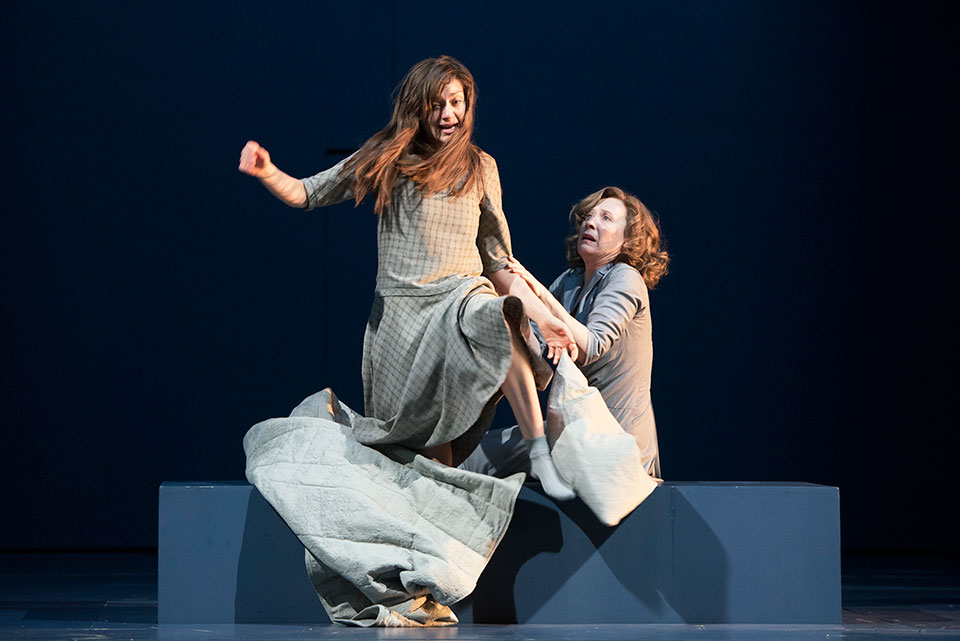
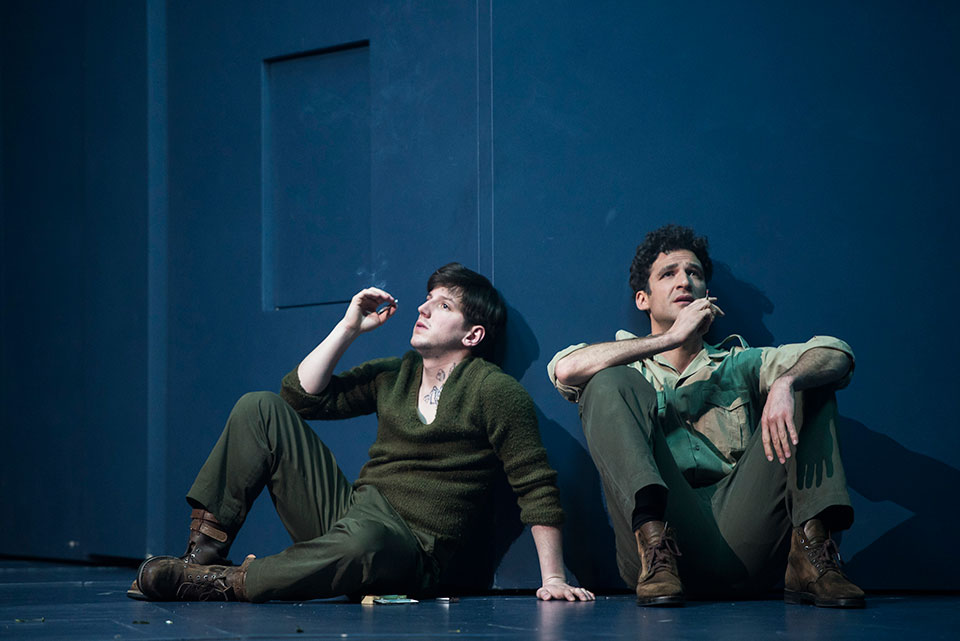
Comme les autres grandes pièces de l’auteur de Lulu, L’Éveil du printemps résiste encore aux tentatives de classifications. Frank Wedekind dénomme lui-même Tragédie enfantine la vie de ces adolescents aux prises avec leur sexualité naissante, confrontés à la moralité d’un monde adulte et institutionnel hostile. La société prussienne y voit en 1906 une œuvre « pornographique » qu’elle censure, avant que Wedekind soit reconnu, selon les mots de Brecht, comme « un des grands éducateurs de l’Europe moderne ». Freud s’en empare d’un point de vue psychanalytique, suivi par Lacan. L’auteur, devenu emblématique du théâtre expressionniste allemand, privilégie pour sa part une forme d’« innocence ensoleillée ».
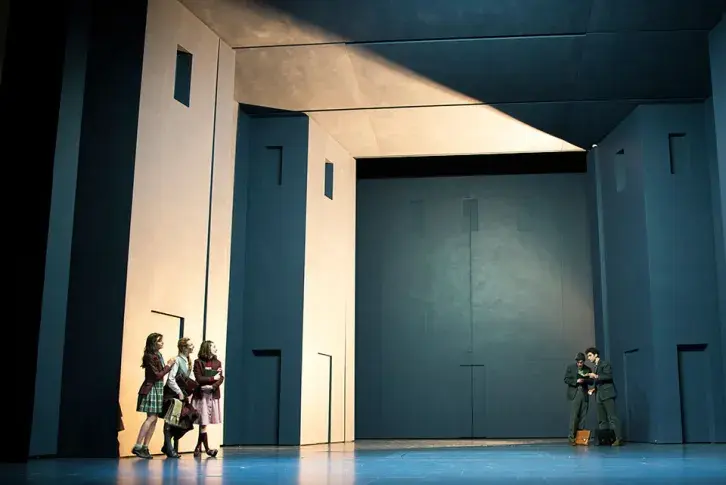
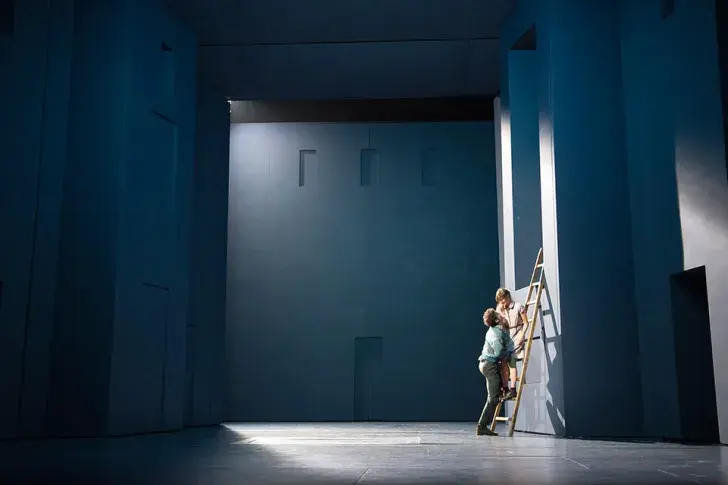
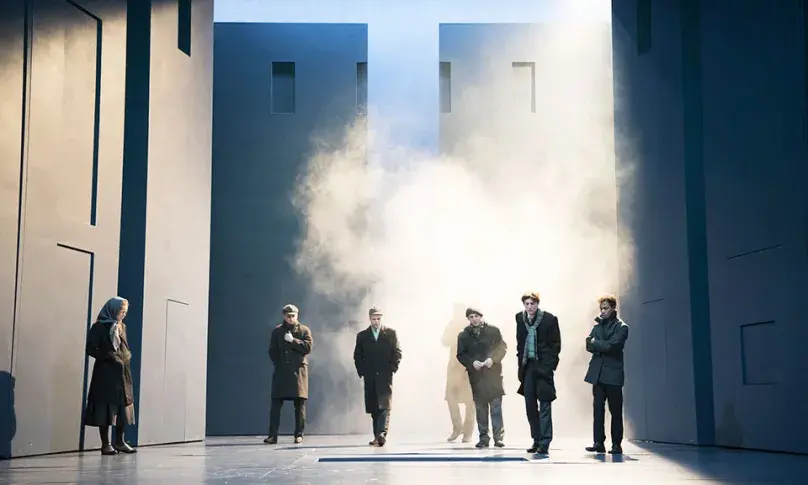
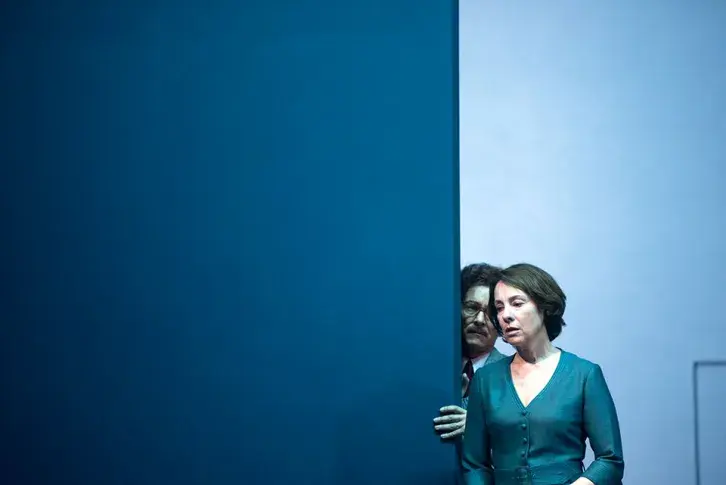
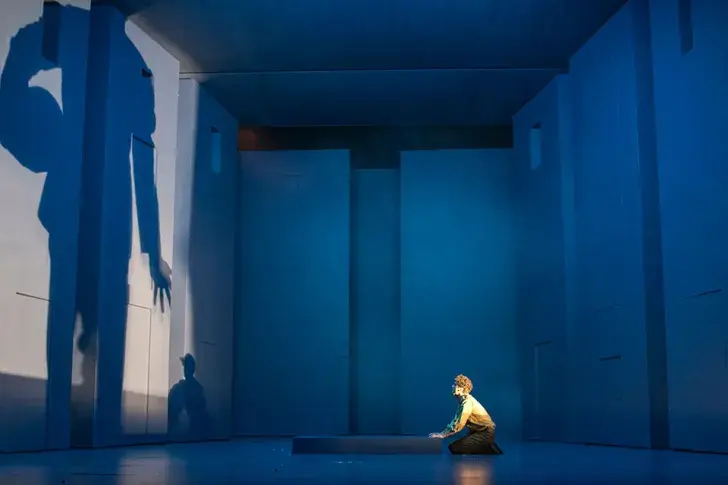
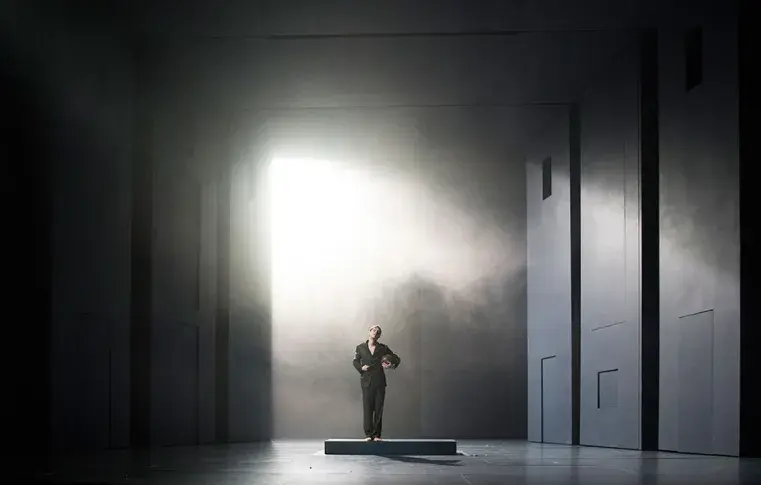
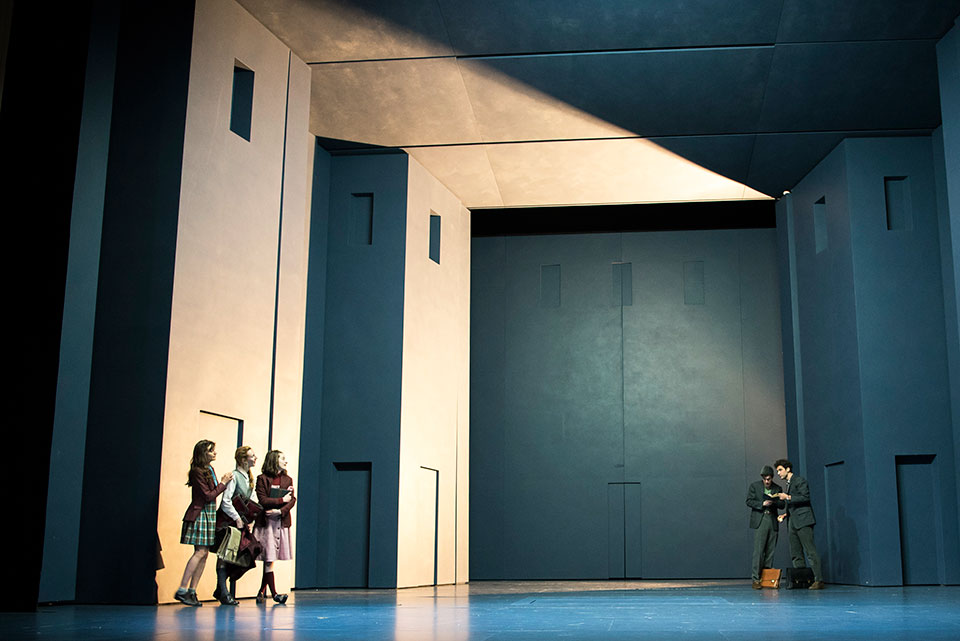
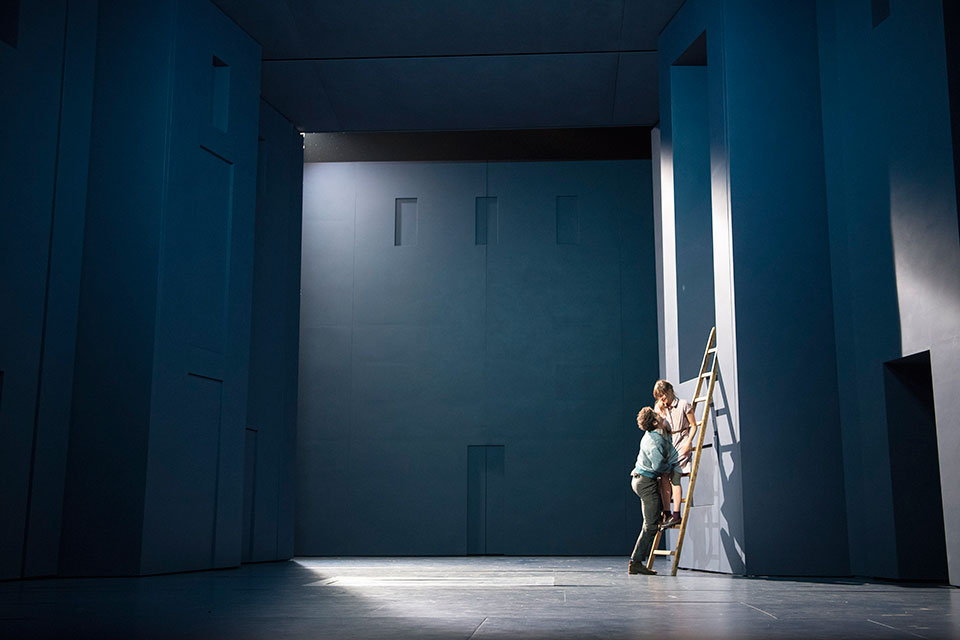
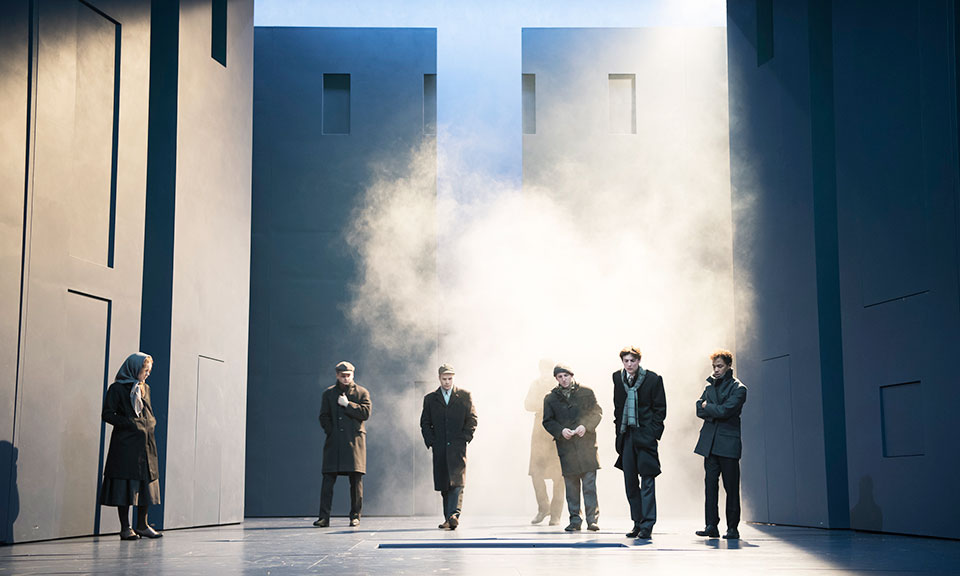
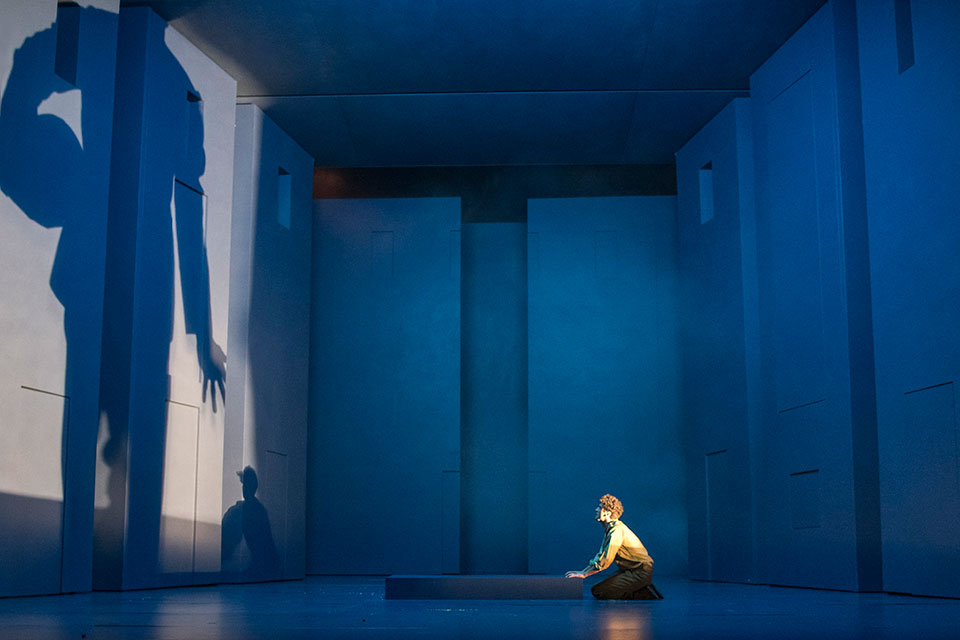
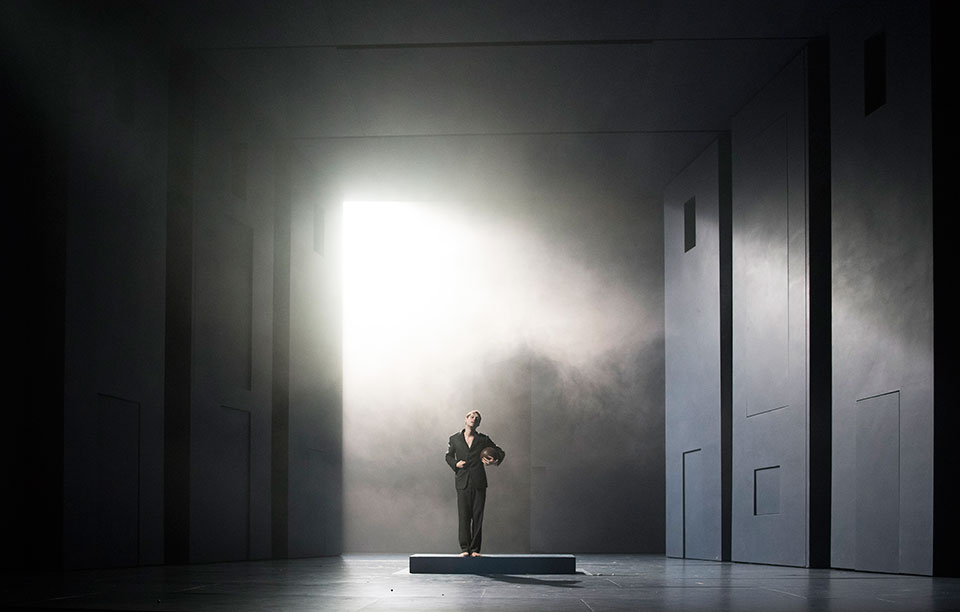
Après avoir traité la question du désir et des conventions sociales à travers Le Misanthrope de Molière puis Le Petit-Maître corrigé de Marivaux, Clément Hervieu-Léger poursuit son avancée dans les siècles tandis que les protagonistes rajeunissent, et incarnent une génération entière. Il s’entoure entre autres de Richard Peduzzi, grand maître de la scénographie qu’il a rencontré sur les créations de Patrice Chéreau. Ensemble, sensibles à ces éveils charnels, lorsque la nature éclot brutalement, ils s’intéressent aux « climats » propres à cet âge où la vie est inconnu, interdit, espace de jeu et de fantasme.Un succès de scandale / texte à la fois subversif et moderne.
Éveil des sens, du désir, sexualité adolescente, la pièce de Frank Wedekind aborde une thématique rare dans le répertoire théâtral. Écrite en 1891 puis créée en 1906 par Max Reinhardt, elle déclenche l’opprobre de la société prussienne de l’époque qui n’y voit que pure pornographie et est largement censurée. Cette œuvre dite expressionniste ne trouve guère que Sigmund Freud pour la louer au milieu du déluge d’insultes qu’elle provoque. À la suite de Freud, Jacques Lacan lui consacrera une préface en 1974. En France, il faudra attendre 1966 pour que la pièce soit mise en scène pour la première fois par Jean-Marie Serreau au Théâtre de poche –Montparnasse.
Le respect des bienséances interdit toute allusion directe à la sexualité dans le répertoire classique, a fortiori celle des enfants et des adolescents longtemps taboue
Si le théâtre de Shakespeare abonde en épisodes grivois, il n’est joué en français qu’au prix de mutilations qui en effacent les répliques et jeux de scène choquants pour un public peu enclin à les apprécier jusqu’à la fin du XIXe siècle. Roméo et Juliette en particulier décrit de jeunes gens qui s’aiment pour la première fois. Dans le répertoire français, les pièces qui abordent plus spécifiquement l’éveil du désir chez les adolescents le font par allusion. L’Oracle de Saint-Foix (1740) ou encore certaines pièces de Marivaux, en particulier La Dispute (1744), évoquent ce thème par un biais détourné : comme dans L’École des femmes, une éducation coupée du monde et qui maintient les enfants dans l’ignorance de leurs semblables garantit une découverte brutale des choses de l’amour. La sexualité, uniquement suggérée, suffit parfois à provoquer de violentes polémiques, ainsi la querelle qui naît autour de L’École des femmes, pièce accusée d’obscénité. Le Mariage de Figaro de Beaumarchais (1784) montre en Chérubin un très jeune homme amoureux, mais la portée de son désir naissant qui s’exprime sans détour dans certaines interprétations contemporaines, est atténuée à la création par l’habitude de faire jouer l’adolescent par de jeunes comédiennes, tradition qui se perpétue jusqu’au XXe siècle. L’inversion des sexes prévenait ainsi toute lecture trop radicale. On peut encore citer La Mouette de Tchekhov dont le personnage de Nina se situe également dans ce temps très particulier de la découverte des sens.
Assez méconnu en France, Wedekind est sans nul doute un précurseur et l’on ne pense qu’à Thomas Mann et son Toni Kröger (1903) pour être allé aussi loin dans l’entrelacement des désirs contradictoires, du poids de la société,de la religion et de l’éducation. Le thème de la sexualité naissante est depuis devenu régulièrement objet du théâtre contemporain, et certains auteurs, comme Bernard-Marie Koltès (Roberto Zucco, Quai Ouest), y accordent une place privilégiée.
-
Mise en scène : Clément Hervieu-Léger
Traduction : François Regnault
Scénographie : Richard Peduzzi
Costumes : Caroline de Vivaise
Lumière : Bertrand Couderc
Musique originale : Pascal Sangla
Son : Jean-Luc Ristord
Maquillages et coiffures : David Carvalho Nunes
Collaboration artistique : Frédérique Plain
Assistanat à la scénographie : Laure Montagné
Documents
-
 Télécharger le PDF (1.3 MB)
Programme L'Éveil du printemps 17/18
Programme de L'Éveil du printemps, de Frank Wedekind. Mise en scène de Clément Hervieu-Léger, Salle Richelieu (saison 2017/2018).