
Discover the play
-
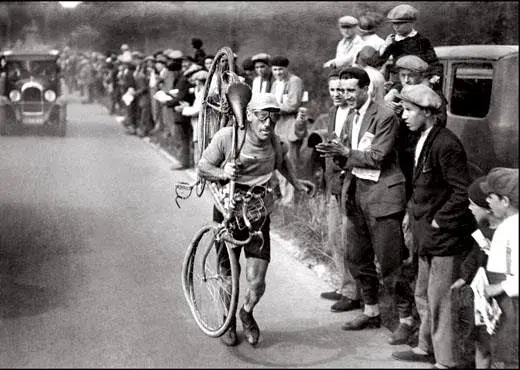
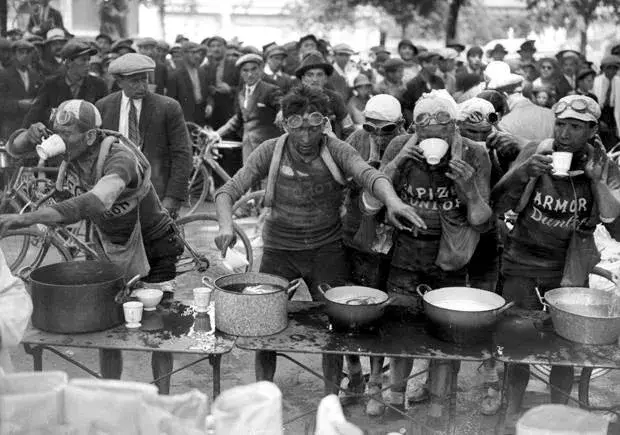
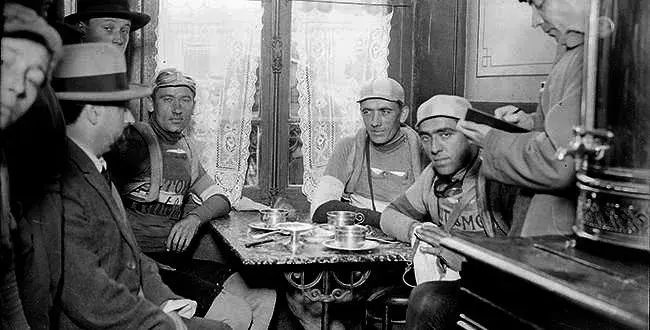
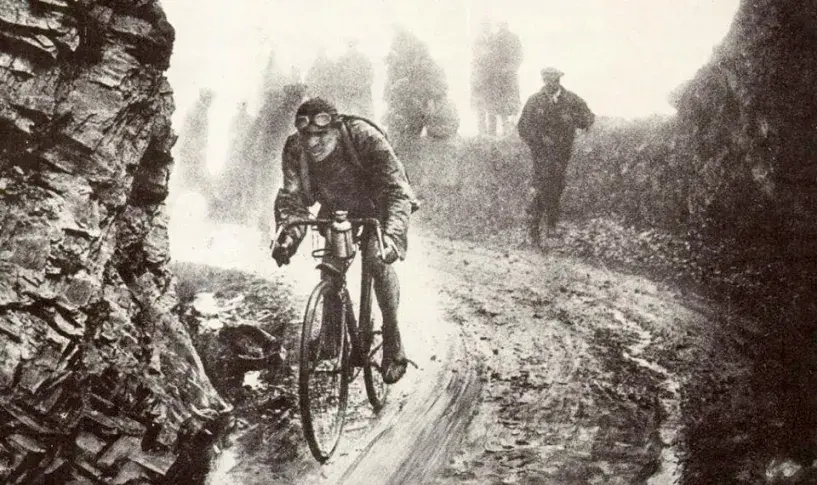
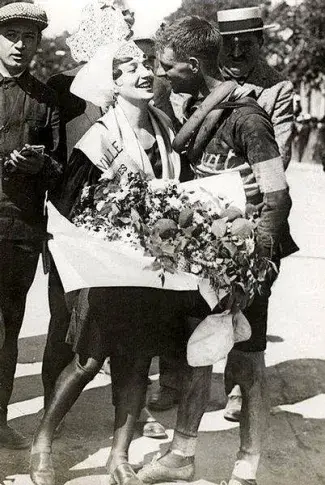
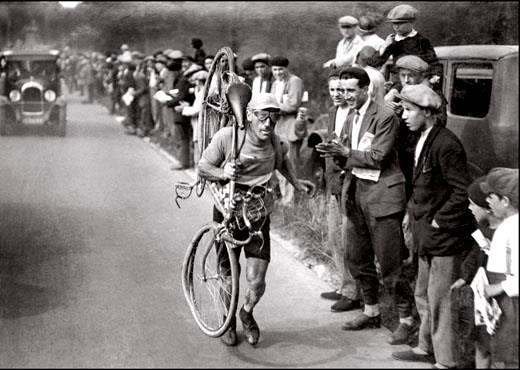
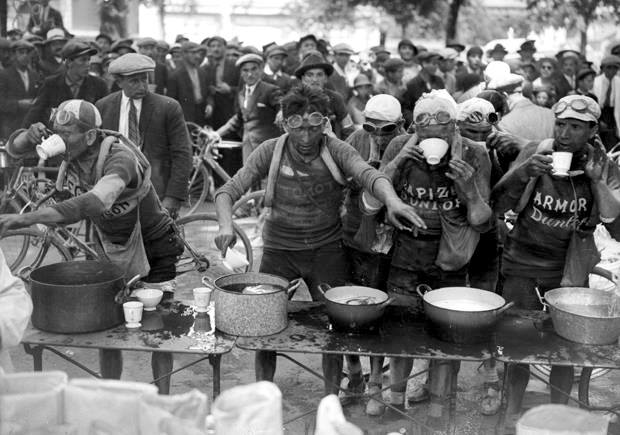
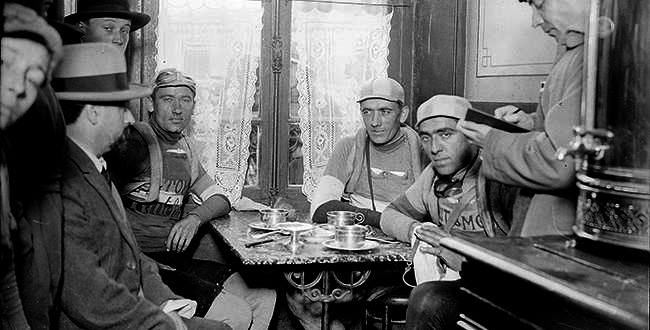
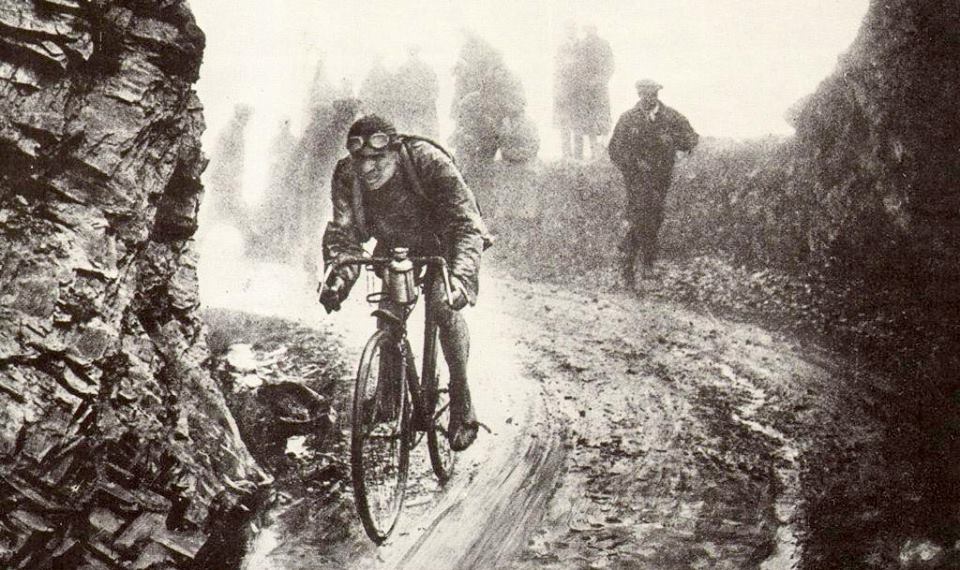
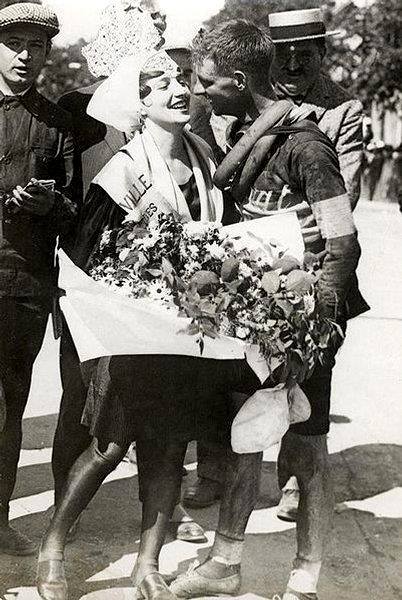
« Je demeure convaincu qu’un journaliste n’est pas un enfant de chœur et que son rôle ne consiste pas à précéder les processions, la main plongée dans une corbeille de pétales de roses. Notre métier n’est pas de faire plaisir, non plus de faire du tort. Il est de porter la plume dans la plaie. » L’intégrité d’Albert Londres est devenue un emblème du métier de journaliste. En 1924, entre le 22 juin et le 20 juillet, il couvre le Tour de France cycliste. Son œil est neuf, son étonnement total.
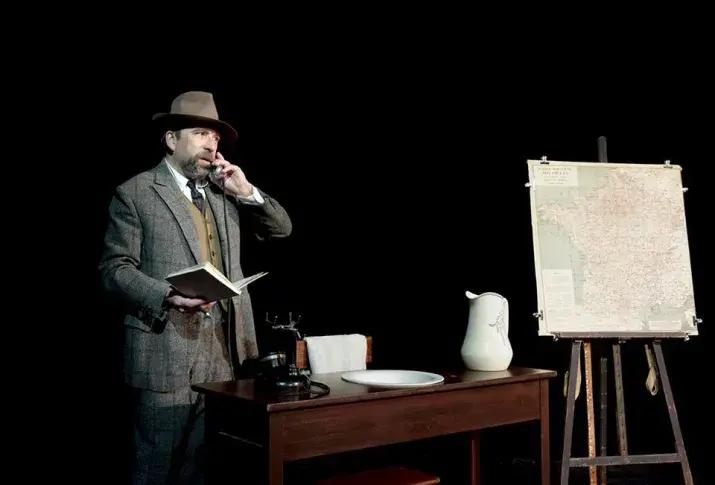
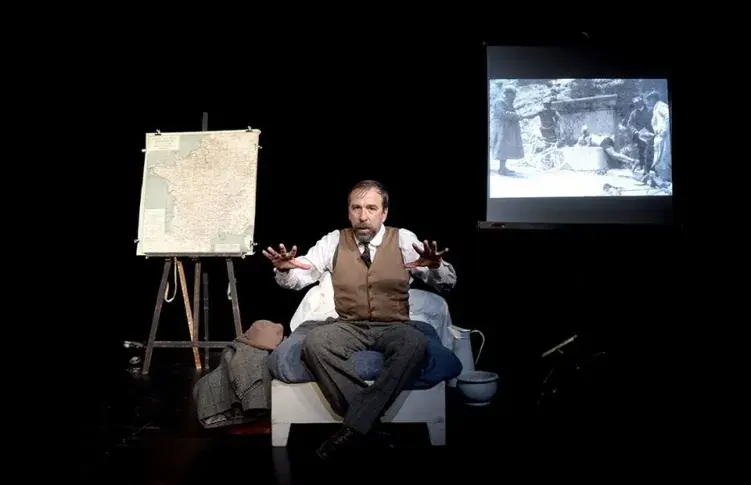
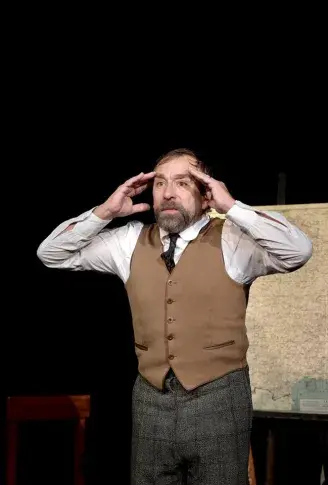
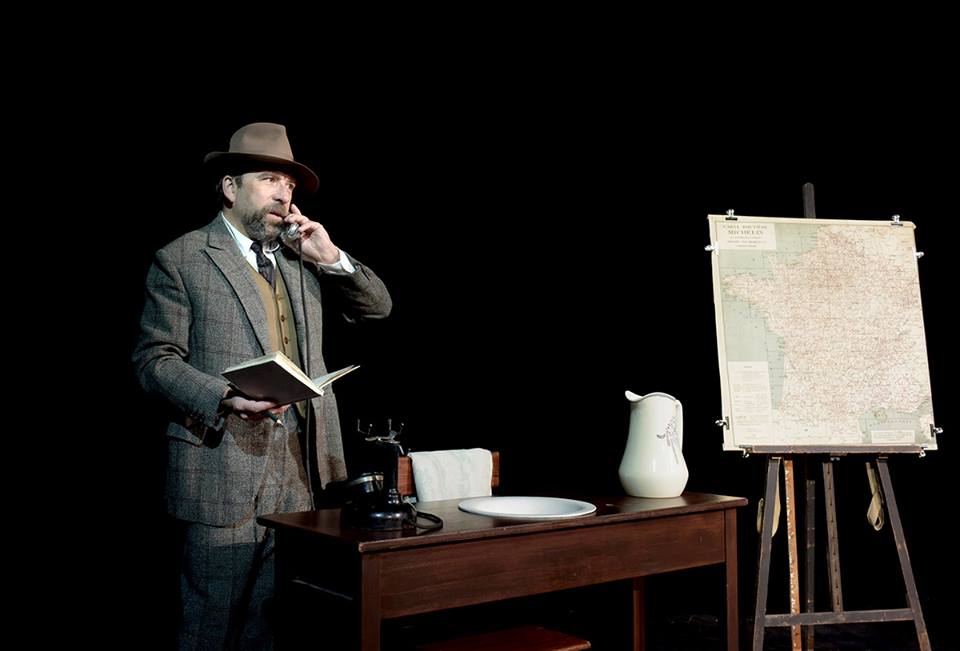
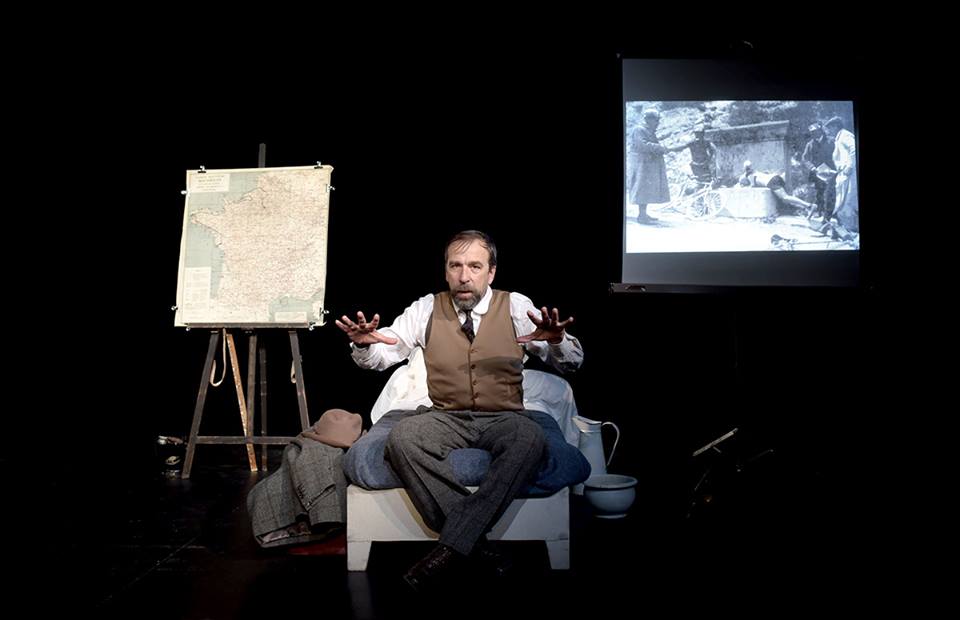
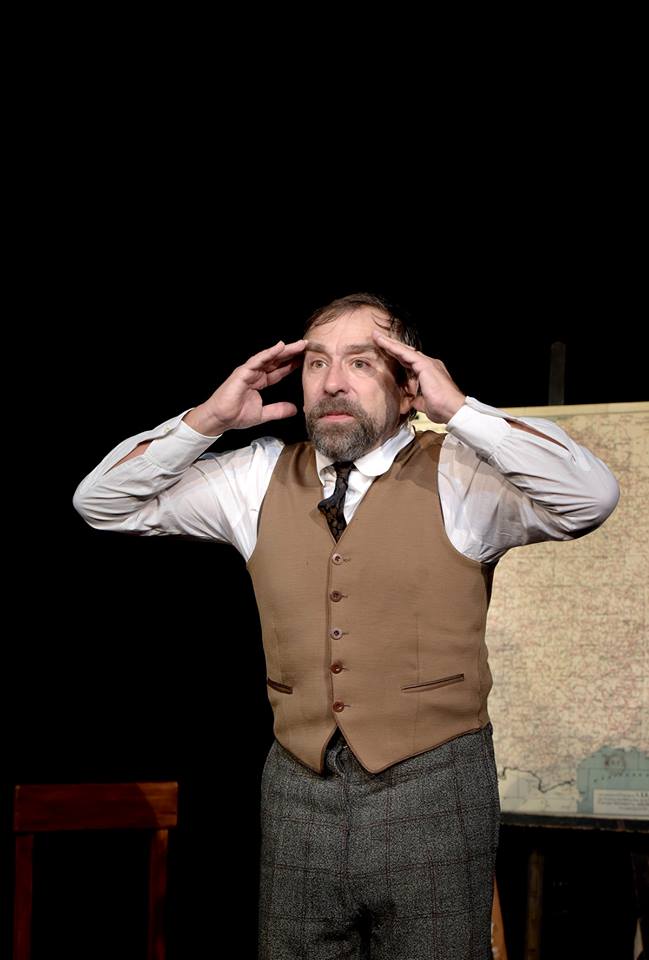
Nicolas Lormeau prête sa voix à ses chroniques et aux quelque cent-cinquante hommes roulant « à la dynamite », sur des vélos sans dérailleur et des routes qui n’en sont pas. Des épreuves de montagne, où tous risquent leur vie dans les descentes, aux étapes de plaines où les silex déchirent les cuisses, la poussière brûle la peau et les yeux, l’acteur s’identifie au grand reporter et donne corps à ce monument littéraire, récit d’un autre temps.LA PRATIQUE THÉÂTRALE DU SOLO est relativement récente à la Comédie-Française. Depuis le XVIIe siècle, l’institution se définit d’abord en tant que troupe de comédiens dont la dimension collective prime sur l’expression des individualités. Samuel Chappuzeau dans son Théâtre François le souligne dès 1674, comparant les troupes théâtrales à des « corps » politiques, comme autant de petites « Républiques ». Des comédiens, il dit qu’« ils n’admettent point de supérieur, le nom seul les blesse ; ils veulent tous être égaux, et se nomment camarades. » La devise de la Comédie-Française, Simul et Singulis (être ensemble et être soi-même), qui apparaît en 1682, assortie de l’emblème à la ruche bourdonnante, caractérise cette philosophie où chacun contribue par son talent propre à l’œuvre collective.
Point de solo… mais des solistes
Si la pratique du spectacle seul-en-scène n’est pas de mise, le « solo » que constitue le monologue est fort attendu du public et, parfois, mis en scène pour faire apparaître le protagoniste dans toute sa splendeur et en contraste avec le reste de la Troupe. Il s’agit là d’un effet du système de vedettariat qui émerge nettement au XIXe siècle.
Les pratiques solistes se développent le plus souvent en dehors de l’activité du théâtre. Les comédiens, dans des tournées personnelles programmées parfois sans égard pour les intérêts de la Comédie-Française – Talma, Rachel... ont pu partir en laissant leurs camarades en difficulté – emmènent leurs malles de costumes, mais recrutent sur place comparses et décors de fortune pour jouer les grandes scènes de leur répertoire. La représentation s’apparente alors à un récital de morceaux choisis, propre à mettre en valeur l’acteur dont le talent est d’autant mieux affirmé qu’il évolue aux côtés de comédiens de seconde zone, si ce n’est d’amateurs.
Le texte monologué se développe véritablement à la fin du XIXe siècle, grâce aux frères Coquelin mais reste aujourd’hui encore une exception. La devise, Simul et Singulis, résume à elle seule l’indispensable paradoxe pour un acteur de Troupe.- Visuel : ruche, gravure Guillaumot fils
-
Conception et interprétation : Nicolas Lormeau
Musique originale et bande son : Bertrand Maillot
Casting
-
-
Avec la voix de Pierre Hancisse