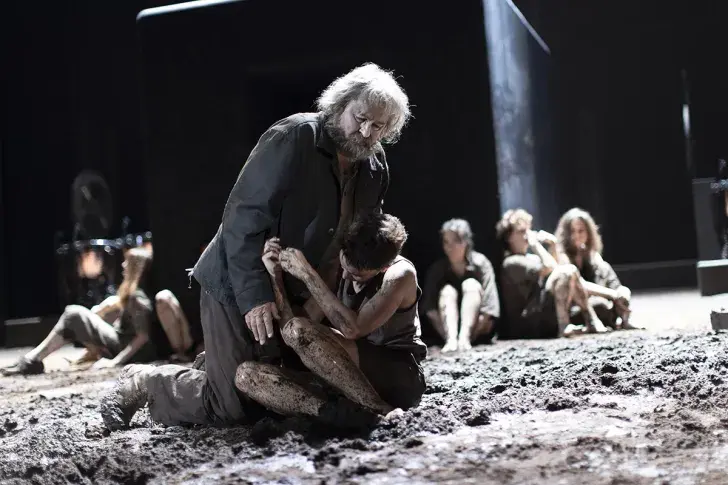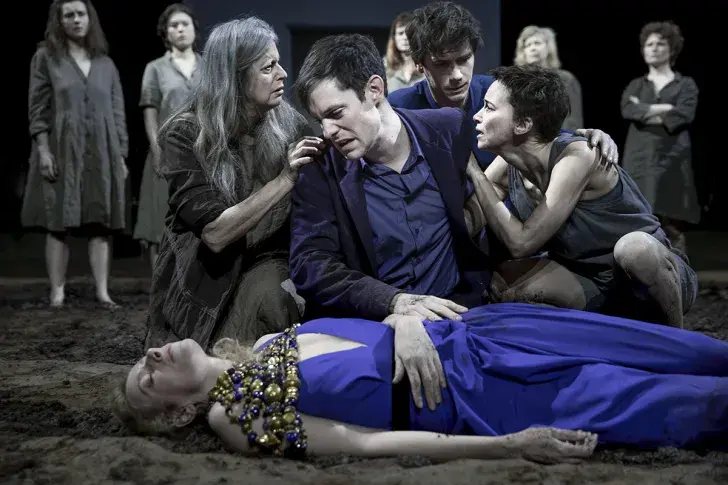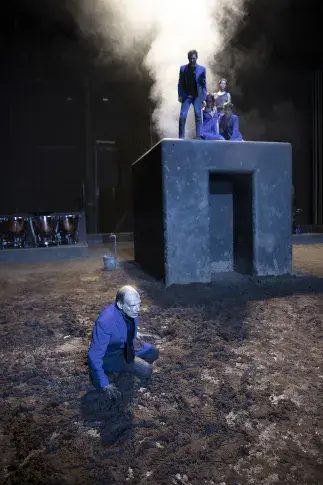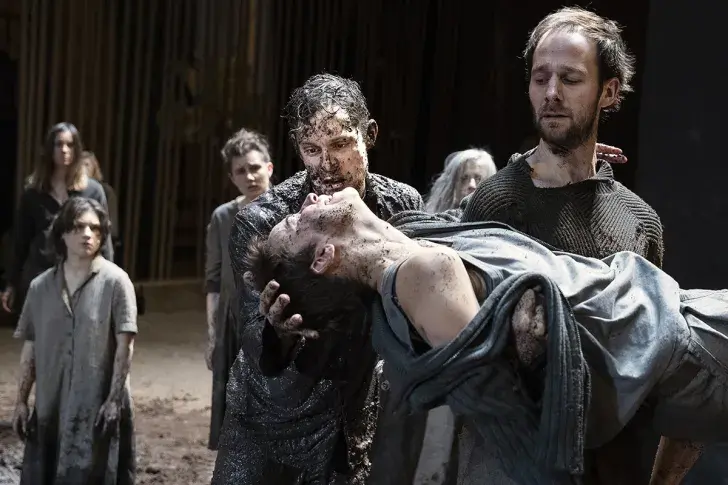

Discover the play
-
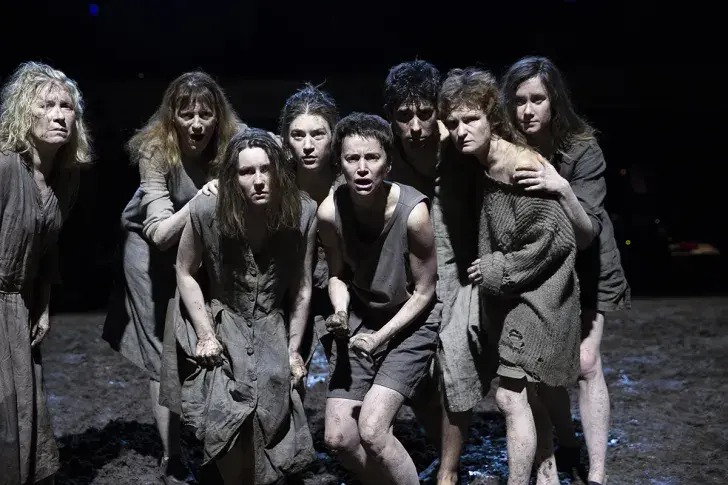
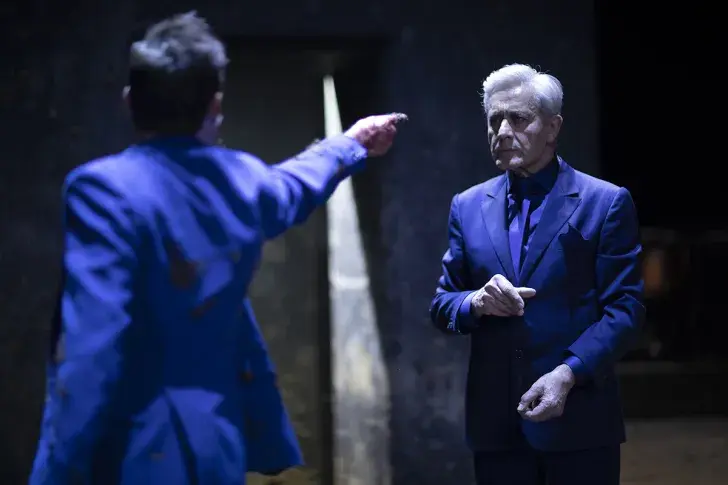
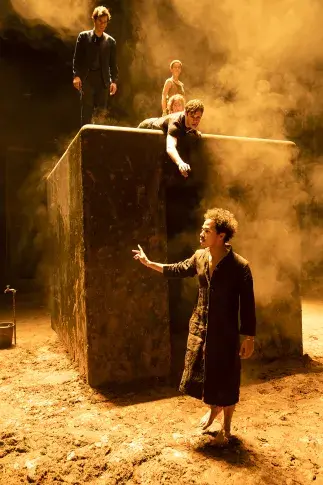
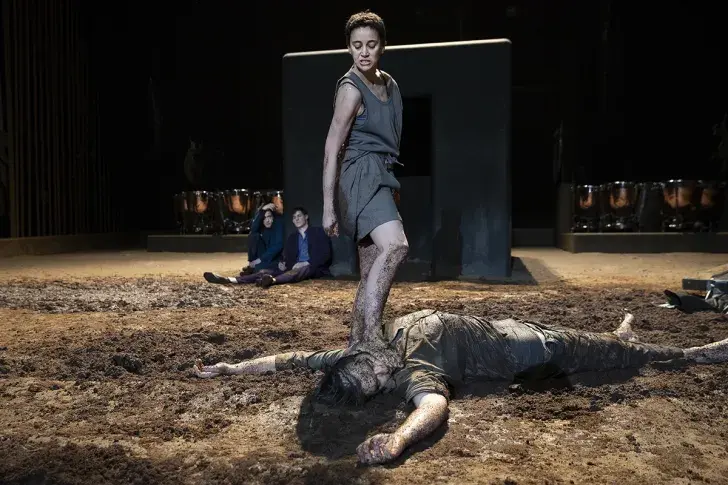
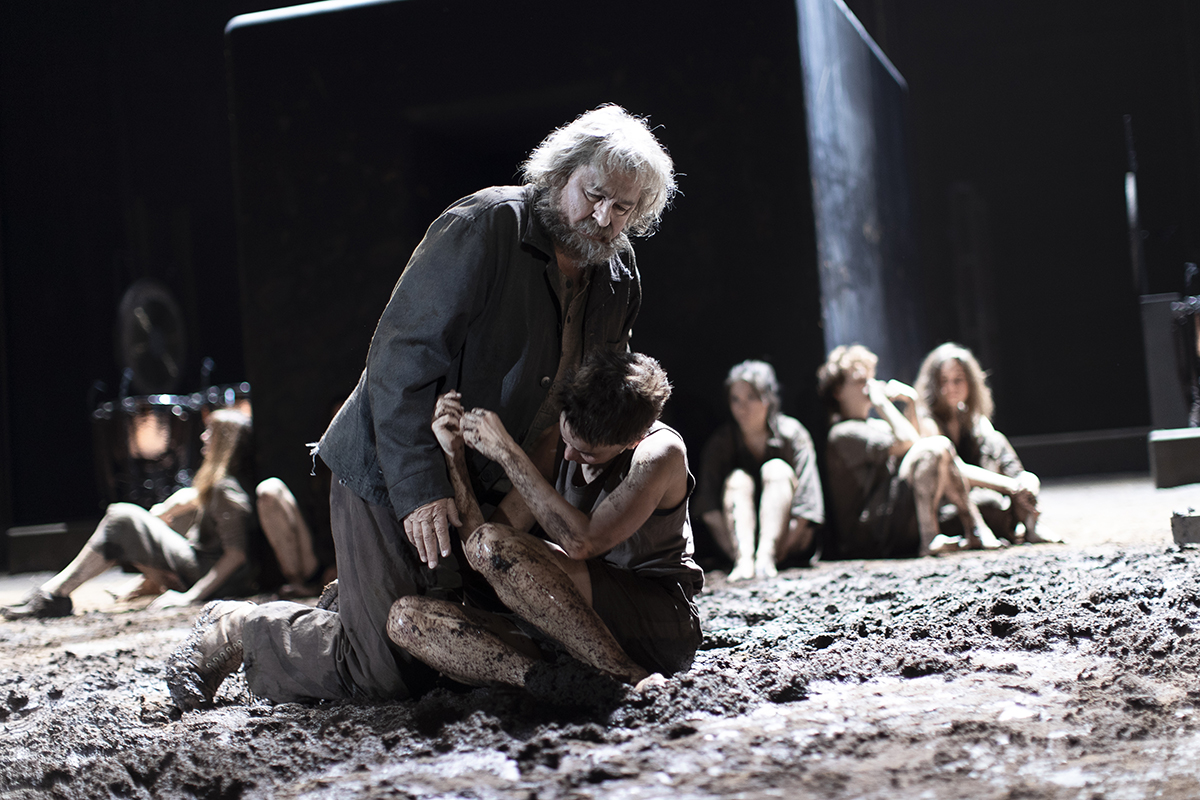
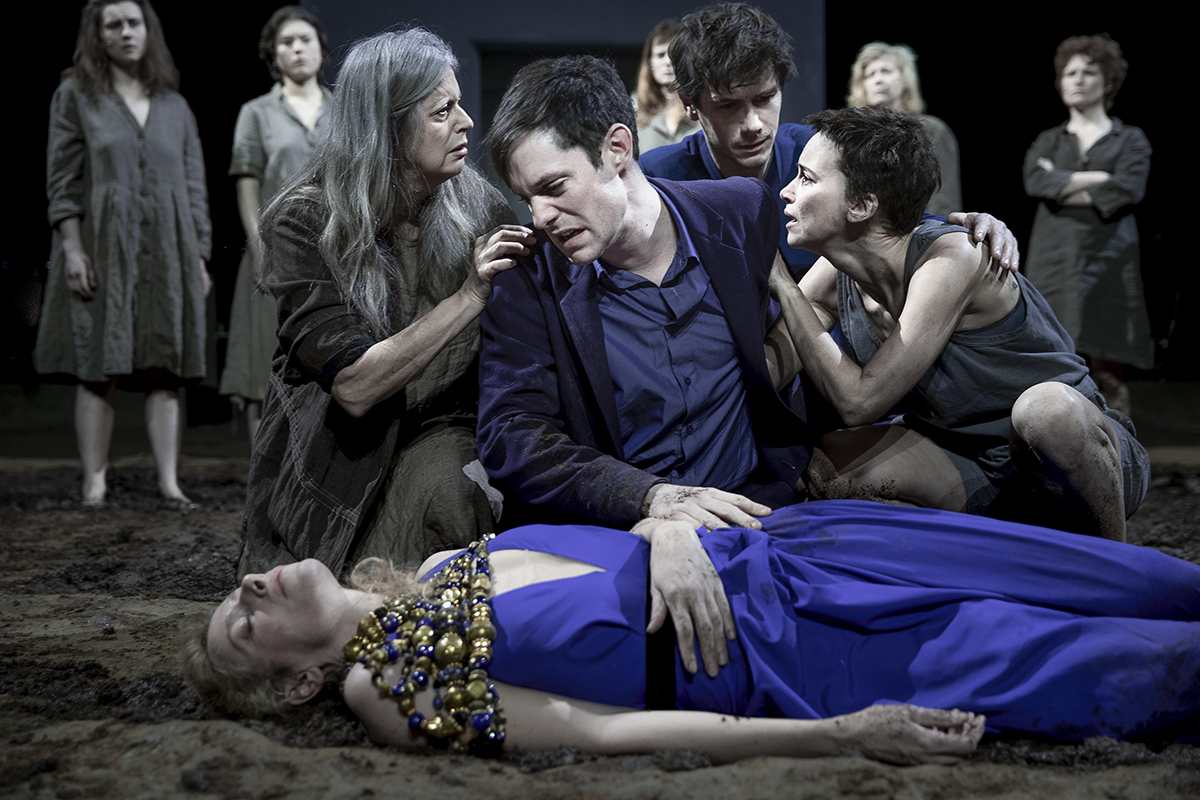
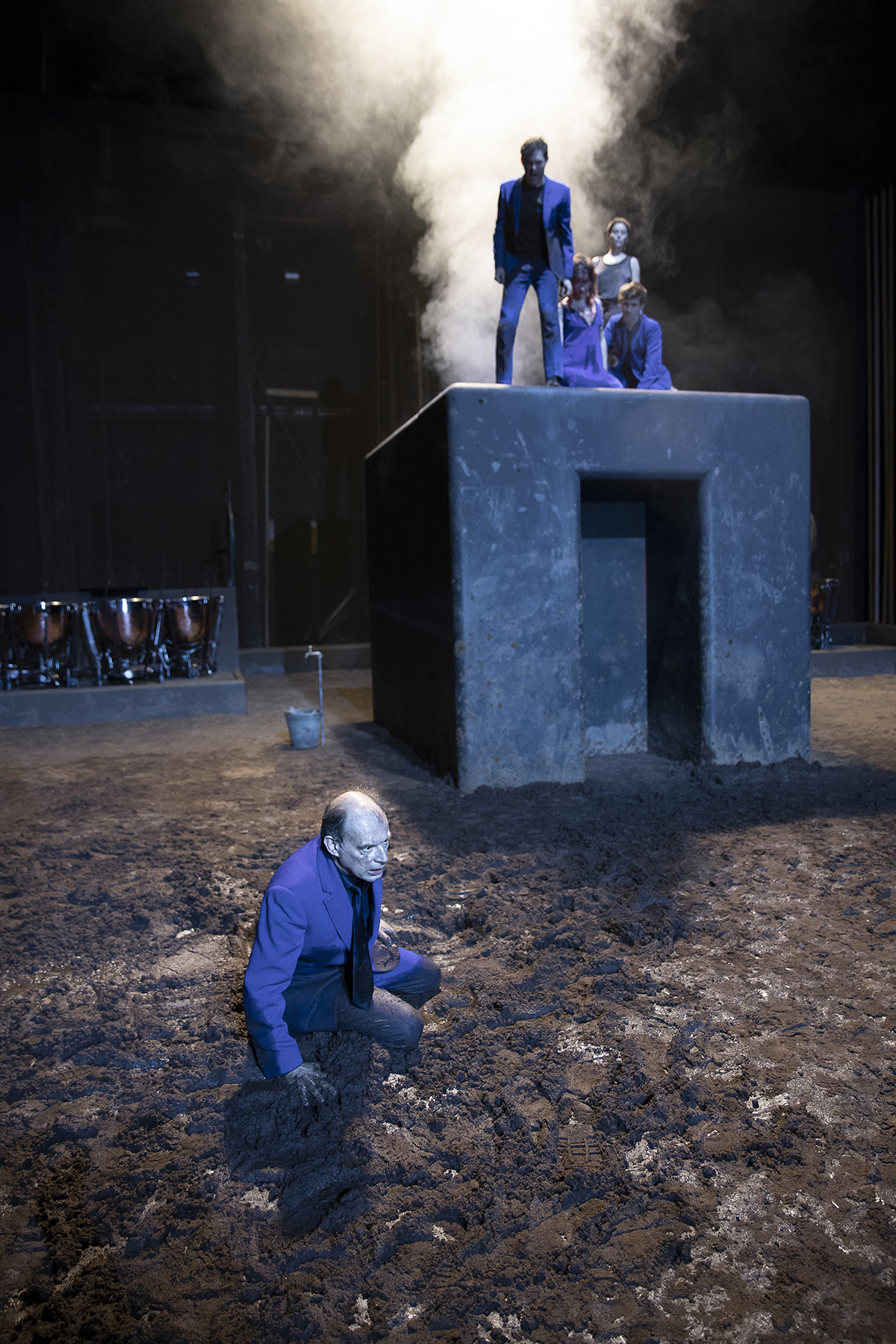
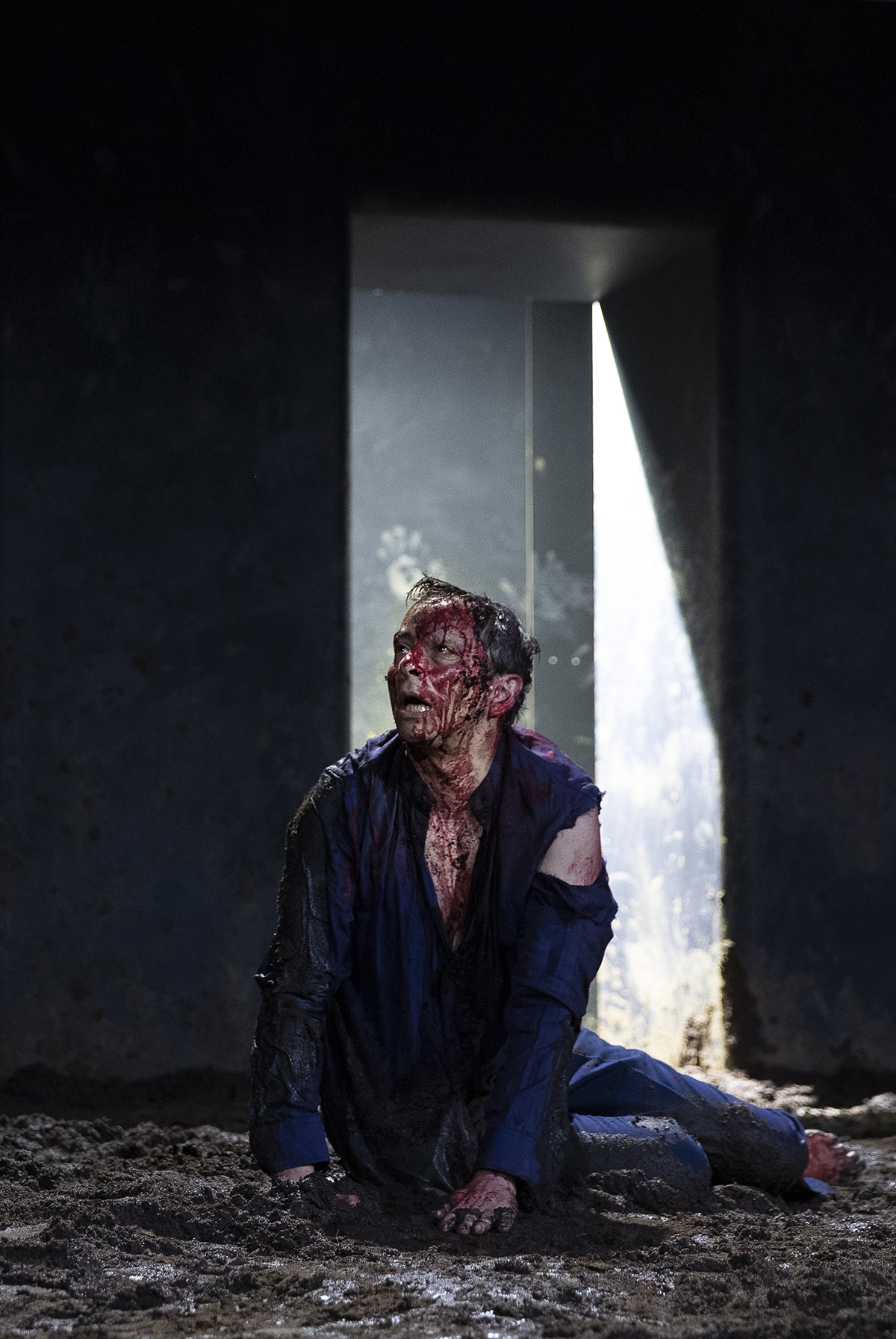
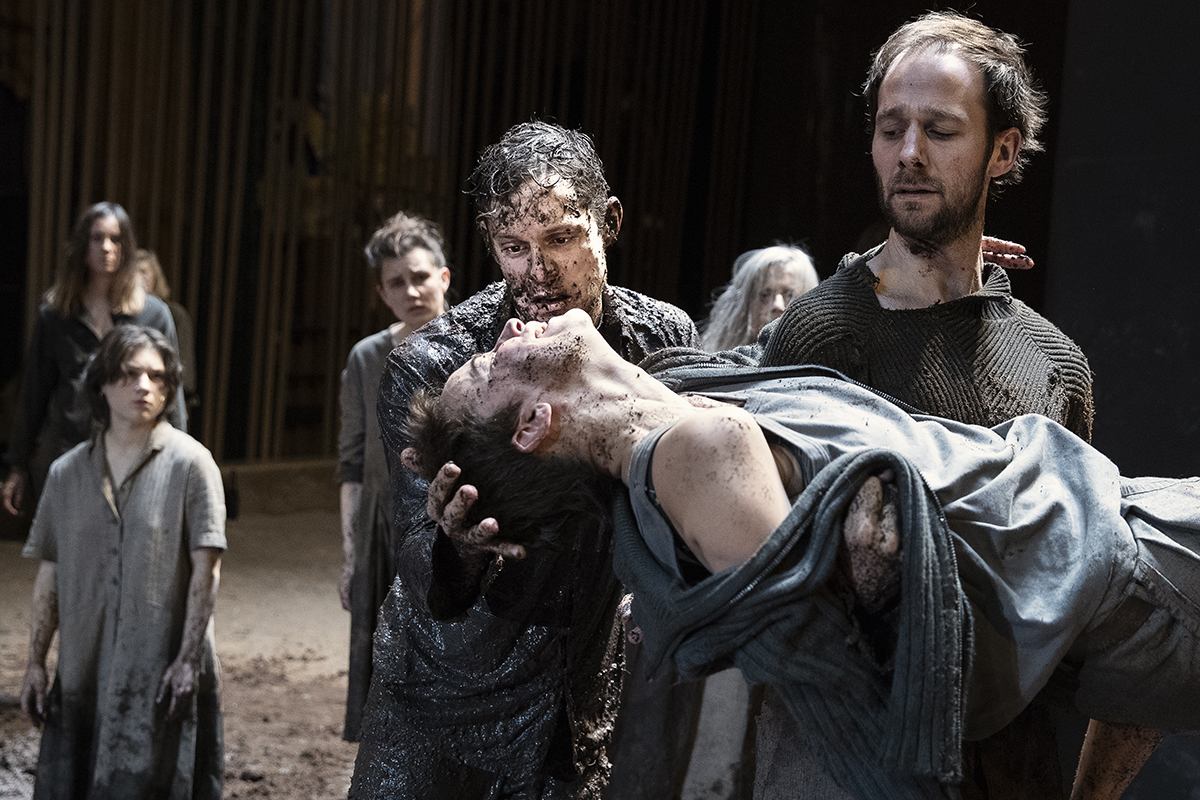
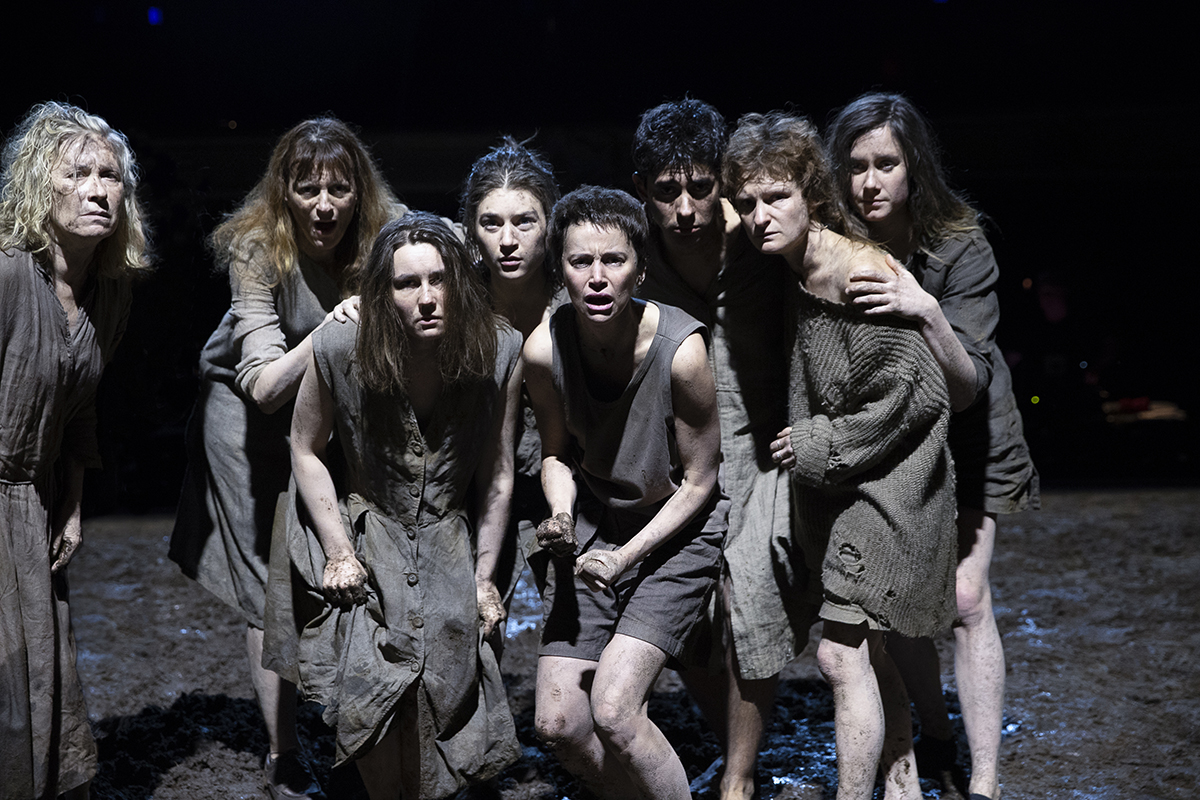
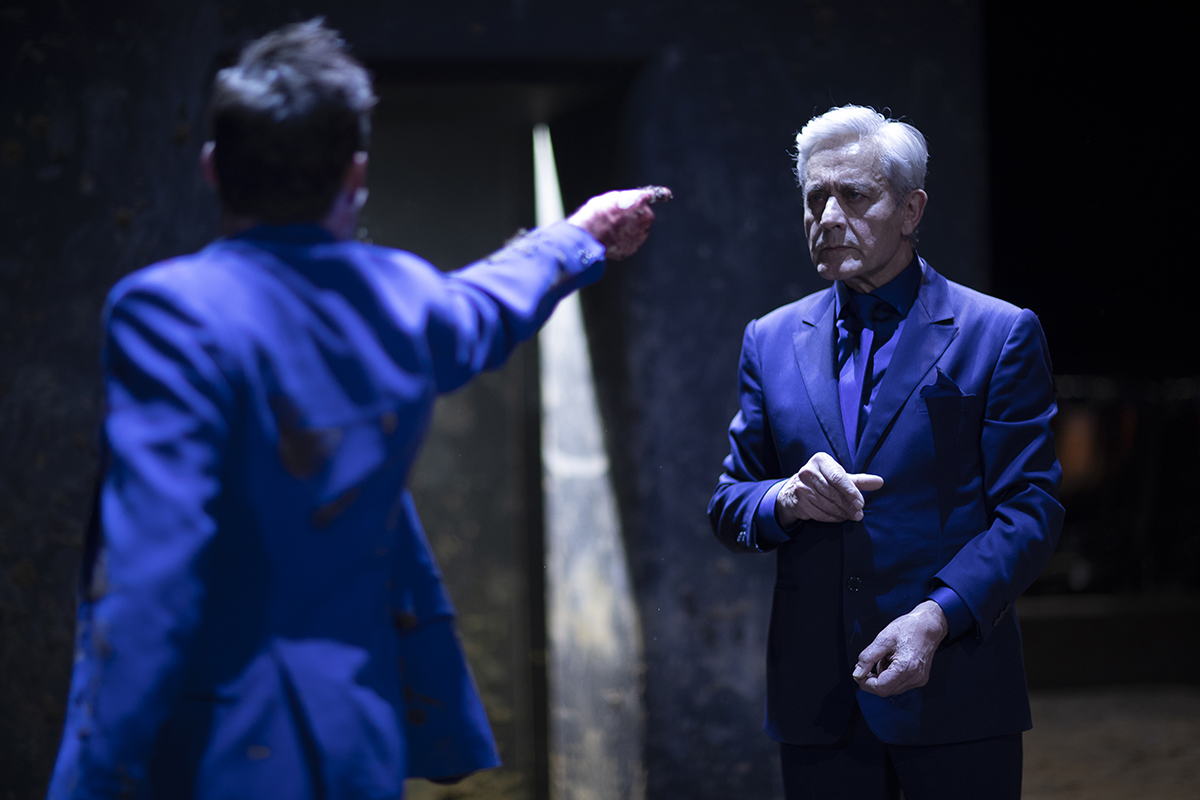
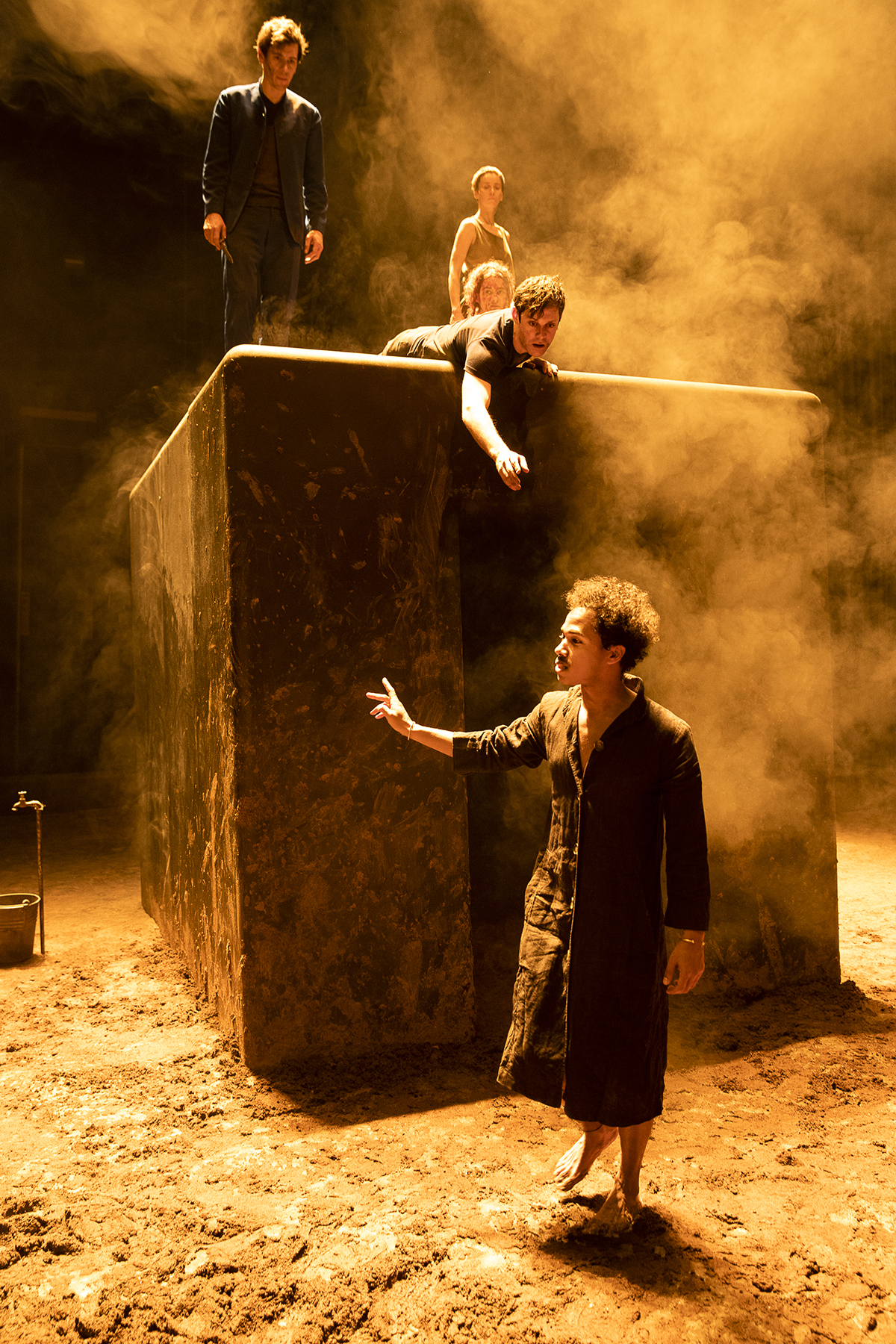
Ivo van Hove associe deux pièces d’Euripide qui racontent l’histoire d’Électre et d’Oreste ou comment un frère et une sœur se retrouvent et s’unissent dans la vengeance.
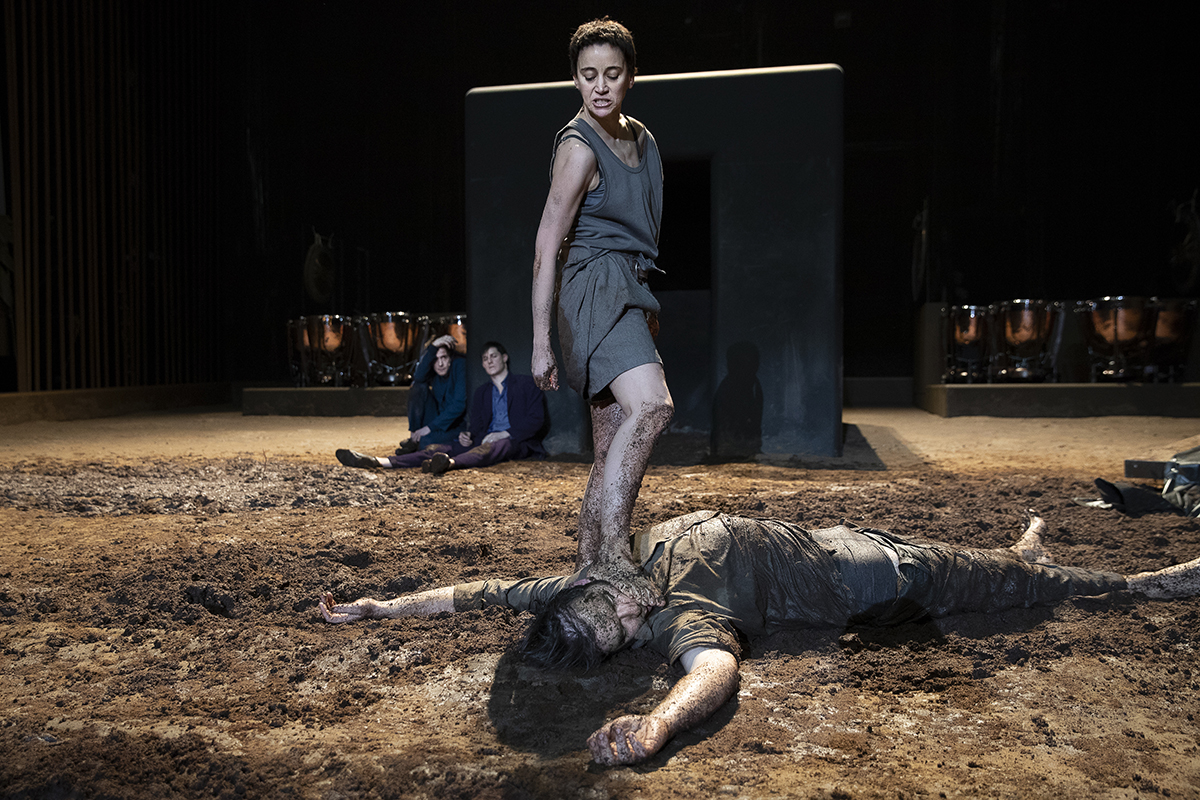
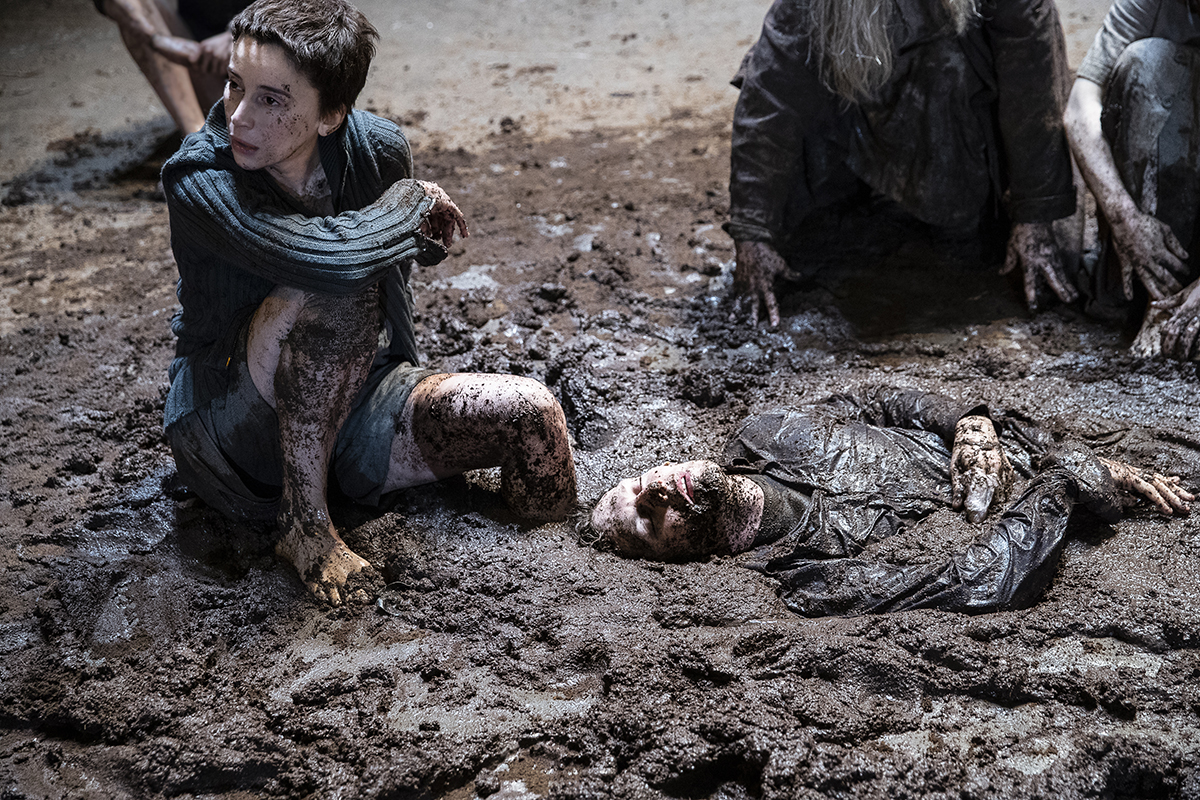
Après l’immense succès des Damnés, Ivo van Hove revient avec une nouvelle grande fresque, liée à la famille des Atrides. Précisant que tous ses projets naissent d’un « coup de foudre » pour un texte, il associe deux pièces d’Euripide qui racontent l’histoire d’Électre et d’Oreste dans sa continuité, ou comment un frère et une sœur se retrouvent et s’unissent dans la vengeance qu’ils fomentent contre leur mère Clytemnestre et son amant Égisthe.
Cette création relate un épisode entier de l’histoire des Atrides, le dernier d’un long cycle de crimes et de vengeances. Père d’Électre et d’Oreste, Agamemnon a été assassiné par sa femme et son amant à son retour de la guerre de Troie. Égisthe règne désormais à Argos, le jeune Oreste a été envoyé en exil. Électre se déroule des années plus tard, tandis qu’Égisthe a lancé un appel au meurtre d’Oreste. Ce dernier, obéissant à un oracle d’Apollon, se présente sous les traits d’un étranger chez sa sœur, avec qui il finira par venger leur père. La seconde tragédie poursuit l’histoire après le matricide d’Oreste, devenu la proie des Érinyes et qui doit répondre de son acte devant la justice. Reconnu pour son habileté à « déplier » les textes en scène, le directeur du Toneelgroep Amsterdam ne cesse de renouveler son esthétique et sa relation aux acteurs. Lui qui revendique ne pas avoir de méthode puise dans l’antique pour célébrer un théâtre comme événement social et se saisit du mythe avec un sens aigu de sa modernité.NOUVELLE PRODUCTION
ENTRÉE AU RÉPERTOIREAu cinéma
Diffusion Pathé Live 23 mai 2019 à 20h15
Reprises au cinéma les 16, 17 et 18 juin 2019En tournée
au Théâtre antique d’Épidaure (Grèce) en juillet 2019En partenariat avec le Festival d’Athènes et d'Épidaure
Traduction française parue aux Éditions Gallimard dans la collection Folio théâtre
ENTRE LA COMÉDIE-FRANÇAISE et le théâtre grec, ce ne peut être qu’une longue histoire… En perpétuel renouvellement, elle oscille entre emprunts et émancipation. Euripide, le plus tragique des poètes grecs selon Aristote, inspire en 1681 deux pièces jouées sur la scène du Français, soit un an après la fondation de celui-ci : Oreste (de Le Clerc et Boyer d’après Iphigénie en Aulide) et Hercule (de La Tuilerie, d’après Hercule furieux). Même s’il demeure le poète grec le plus joué – loin devant ses compatriotes Eschyle, Aristophane et Sophocle face auxquels le théâtre latin fait d’ailleurs figure de parent pauvre –, Euripide l’est d’abord par ses adaptateurs, le plus fameux étant Racine. Au XIXe siècle, l’attention accordée à l’œuvre originale, visible dans des costumes et décors à l’antique, s’inscrit dans le goût renouvelé pour l’Antiquité gréco-romaine déjà fantasmée pendant la Renaissance. À l’approche du XXe siècle, les traductions deviennent plus fidèles à leur modèle.
> Tu ne pourrais pas citer une seule Pénélope parmi les femmes d’aujourd’hui : toutes des Phèdre ! archi toutes !
Au fil des siècles, les héros du théâtre grec, dont Jacqueline de Romilly vante la modernité, ont donc offert aux comédiens des rôles de premier choix. Quant à l’histoire grecque et ses célèbres épisodes comme les origines et les conséquences de la Guerre de Troie, elle nourrit, par le truchement de Racine, l’imaginaire des dramaturges jusqu’au XXe siècle ainsi que le répertoire de la Comédie-Française qui s’enrichit de La Guerre de Troie n’aura pas lieu de Giraudoux (mise en scène Raymond Gérôme, 1988), Penthésilée de Kleist (mise en scène Jean Liermier, 2008), Troïlus et Cressida de Shakespeare (mise en scène Jean-Yves Ruf, 2013)…
Comment mettre en scène aujourd’hui le théâtre antique ? Tandis que les mystères des Bacchantes (Euripide, mise en scène André Wilms 2005) se déroulent parmi des fragments de piliers polychromes, la cité des Oiseaux (Aristophane, mise en scène Alfredo Arias, 2010) est transposée dans un lieu reconnaissable par les spectateurs de la Comédie-Française : la place Colette. Quant au nouvel Héraclès (La Folie d’Héraclès, Euripide, mise en scène Christophe Perton, 2010), il apparaît sous les traits d’un trader. Par son caractère, ambivalent, tout à la fois archaïque et moderne, le théâtre grec promet d’offrir encore longtemps, aux metteurs en scène et au public, matière à réflexion et à innovation.
- Visuel : Électre d'Alfred Poizat, d'après Sophocle, 1907 – photo. Boyer, coll. CF
-
Traduction : Marie Delcourt-Curvers
Version scénique : Bart Van den Eynde et Ivo van Hove
Mise en scène : Ivo van Hove
Scénographie et lumières : Jan Versweyveld
Costumes : An D’Huys
Musique originale et concept sonore : Eric Sleichim
Travail chorégraphique : Wim Vandekeybus
Dramaturgie : Bart Van den Eynde
Assistanat à la mise en scène : Laurent Delvert
Assistanat à la scénographie : Roel Van Berckelaer
Assistanat aux costumes : Sylvie Lombart
Assistanat aux lumières : François Thouret
Assistanat au son : Pierre Routin
Assistanat au travail chorégraphique : Laura Aris
Documents
-
 Télécharger le PDF (1.73 MB)
Programme Électre / Oreste 18/19
Programme de « Électre / Oreste » d'Euripide. Mise en scène Ivo van Hove, Salle Richelieu (saison 2018/2019).
Casting
-
-
-
et
Trio Xenakis : Adélaïde Ferrière, Emmanuel Jacquet, Rodolphe Théry
Othman Louati
Romain Maisonnasse
Benoît Maurin
percussions (en alternance)