
Discover the play
-
Après s’être intéressées à l’histoire de l’Europe de 1945 à nos jours, avec notamment la tétralogie Europe, mon amour, cette création fait partie d’un nouveau cycle autour de la Ve République, née avec l’effondrement de la politique coloniale française. 1958 : René Coty en appelle à l’homme providentiel – le général de Gaulle – pour trouver une issue à ce que l’on nomme alors les « événements d’Algérie ». De Gaulle accepte à la condition qu’une nouvelle constitution soit adoptée. L’Indépendance sera reconnue en 1962.
Tel est le cadre contextuel de cette création. L’enjeu artistique rejoint la nécessité de comprendre en quoi et comment non-dits et tabous perdurent sur cette période qu’on a mis si longtemps à nommer guerre : « ces creux et ces silences, de l’État et des familles, qui un temps ont eu la vertu de permettre de se tourner vers l’avenir, présentent aujourd’hui leurs limites », relèvent-elles.
Dans une démarche d’écriture de plateau, elles réunissent trois générations d’acteurs de la Troupe plus ou moins proches de cette histoire récente. Partant du « point de vue » des trentenaires dont elles font partie, elles s’interrogent sur la façon dont l’histoire se fait, opérant un focus sur une «politique de l’oubli» et une société en mal de mémoire collective. C’est dans un métissage de registres de jeu et par un croisement de types de prises de parole que le spectacle, ancré dans le présent et en métropole, s’ouvre à la « grande histoire ». À travers des séquences de flash-back, elles convoquent discours et conversations d’antichambres du palais présidentiel et livrent, loin du pamphlet, un théâtre de brûlures, chargé de symboles et empreint de faits réels.CRÉATION MONDIALE
Avec le soutien de la Chartreuse de Villeneuve lez Avignon – Centre national des écritures du spectacleMise en scène dans un dispositif bifrontal
MARDI 12 FÉVRIER : rencontre avec les metteures en scène et des membres de l'équipe artistique. Accès libre à l'issue de la représentation, vers 21h15.
LE THÉÂTRE RACONTE le monde en se réappropriant parfois les moments charnières de son histoire, dont il décrit plus fréquemment les faits sociaux et culturels que les événements politiques. Quotidienne comme la mainmise de la religion sur les personnages moliéresques ou savoureuse comme les récentes reconstitutions de rencontres artistiques et musicales (Trois hommes dans un salon, Comme une pierre qui…), la référence culturelle est inépuisable et consommable sans date de péremption. Dans la lignée des Perses d’Eschyle (472 av. J.-C.) et de Bajazet de Jean Racine (1672) faisant référence à des événements contemporains, l’actualité inspire parfois à chaud des pièces de circonstance comme Cartouche ou les Voleurs (Legrand, 1721) dont l’écriture et la représentation sont concomitantes au procès du célèbre brigand ou comme L’Anglais à Bordeaux commandée à Favart, suite au Traité de Paris de 1763, qui met fin à la guerre de Sept Ans, pour célébrer la réconciliation franco-anglaise. On trouve aussi dans la pièce Tippo-Saëb de Victor-Joseph Étienne de Jouy (1813), la référence à ce prince indien allié de Louis XVI contre les Anglais. La description se fait toutefois le plus souvent en différé dans le théâtre historique, la censure ou des contingences pouvant empêcher une contemporanéité immédiate des faits. Pendant la Révolution, la dizaine de pièces d’actualité politique connaît un succès moindre que les tragédies antiques et les pièces historiques. Et après la réunion de la Troupe dans la Salle Richelieu (1799), il était délicat, avant les années 1830, d’y adapter les sujets évoquant l’actualité immédiate... L’assassinat de Marat par Charlotte Corday est porté à la scène dans la version de Régnier-Destourbet, en 1831, et dans celle de Ponsard en 1850.
> En Algérie, je suis une étrangère et je rêve de la France ; en France, je suis encore plus étrangère et je rêve d'Alger
Au XXe siècle, si les auteurs écrivent davantage sur l’actualité politique, le délai de la mise en scène de leurs pièces à la Comédie-Française altère parfois quelque peu leur contemporanéité. Ce laps de temps semble se réduire à moins d’un demi-siècle lorsque s’importent sur scène des conflits d’autres continents : la guerre de Corée en 1950 (Les Coréens de Michel Vinaver, 1993), les relations entre l’Afghanistan et l’Occident décrites peu avant le 11 septembre 2001 (Homebody / Kabul de Tony Kushner, 2003), le destin des enfants-soldats en République démocratique du Congo (Le Bruit des os qui craquent de Suzanne Lebeau, 2010). La proximité et les stigmates de guerres plus anciennes décrites par des contemporains de la première guerre mondiale comme Karl Kraus (Les Derniers jours de l’humanité, 2016) ou du nazisme comme Bertolt Brecht (La Résistible Ascension d’Arturo Ui, 2017) s’adressent à des spectateurs de moins en moins nombreux à avoir connu les faits relatés. Quant aux cicatrices encore sensibles de la guerre d’Algérie, elles n’ont été portées sur la scène du Français que depuis 2003, avec l’adaptation du roman Nedjma de Kateb Yacine et Le Retour au désert de Bernard-Marie Koltès (2007).
Au Théâtre du Vieux-Colombier, le cycle des « Journées particulières » permet, depuis 2015, de faire réentendre des pièces oubliées du Répertoire en les situant dans leur contexte historique, politique et social. Les faits réels rapportés, tirés de chroniques du temps et de documents d’archives, s’entremêlent à la fiction théâtrale pour l’éclairer et l’expliquer à un public contemporain.
- Visuel : Homebody / Kabul de Tony Kushner, mise en scène de Jorge Lavelli, 2003, Théâtre du Vieux-Colombier – photo. Laurencine Lot
-
Texte et mise en scène : Julie Bertin et Jade Herbulot – Le Birgit Ensemble
Scénographie : Alice Duchange
Costumes : Camille Aït-Allouache
Lumière : Jérémie Papin
Vidéo : Pierre Nouvel
Son : Lucas Lelièvre
Collaboration à la dramaturgie : Valérian Guillaume
Documents
-
 Télécharger le PDF (2.02 MB)
Programme Les Oubliés (Alger-Paris) 18/19
Programme des « Les Oubliés (Alger-Paris) ». Texte et mise en scène Julie Bertin et Jade Herbulot – Le Birgit Ensemble. Du 24 janvier au 10 mars 2019 au Théâtre du Vieux-Colombier. -
 Télécharger le PDF (9.45 MB)
La pièce en images - Les Oubliés (Alger-Paris) 18/19
Quand le théâtre raconte le monde sur les scènes de la Comédie-Française -
 Télécharger le PDF (1.85 MB)
Dossier pédagogique Les Oubliés (Alger-Paris) 18/19
Dossier pédagogique autour de la mise en scène des Oubliés (Alger-Paris) par Julie Bertin et Jade Herbulot – Le Birgit Ensemble
Casting
-
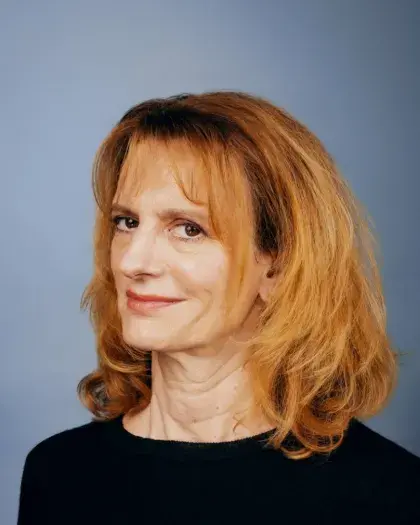 Judith Benhaïm, maire du XVIIIe arrondissement de Paris (2019) et Irène, secrétaire du cabinet présidentiel (1958-1961)
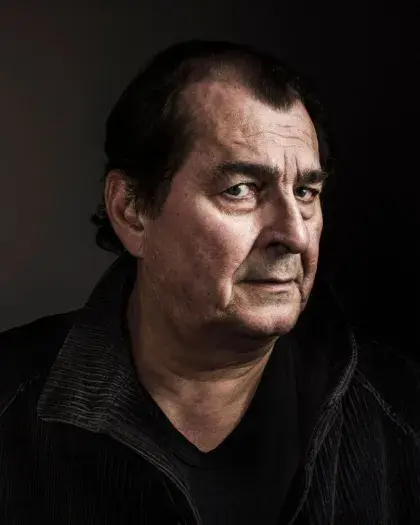
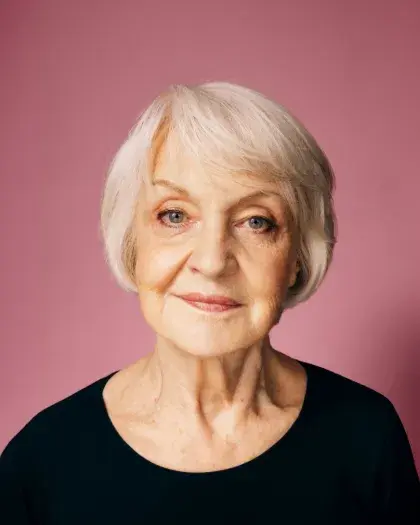
 Antoine Meursault, responsable de l’intendance de la mairie (2019) et Michel Debré, garde des Sceaux puis Premier ministre (1958-1961)
 Guy Cassard, ami du marié et de la maire (2019) et René Brouillet, directeur du cabinet présidentiel (1958-1961)