
Discover the play
-
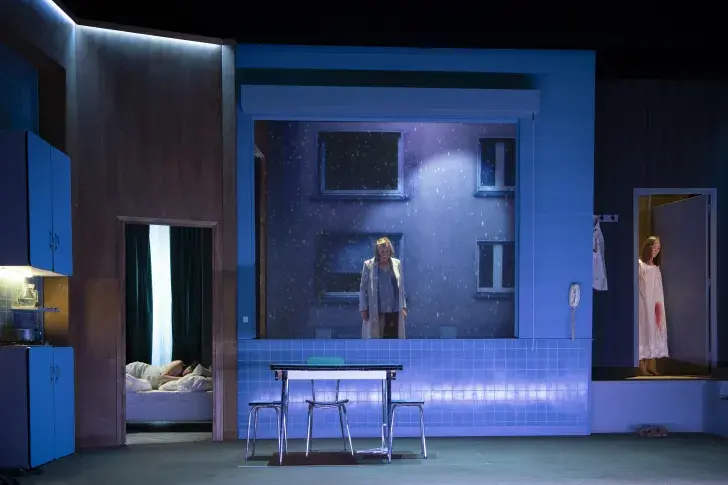
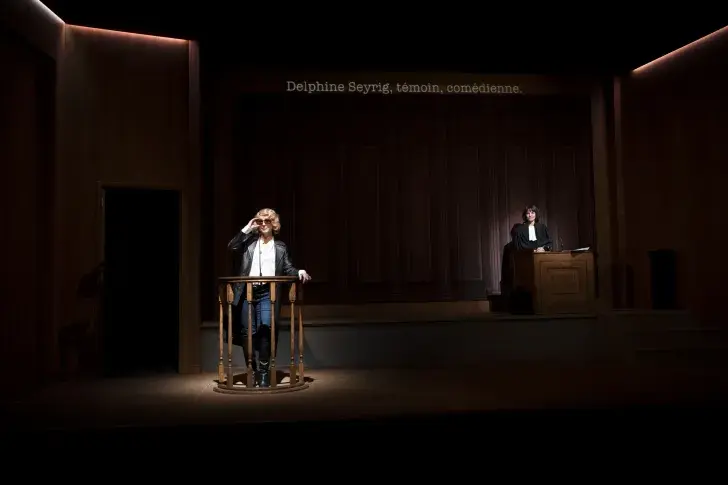
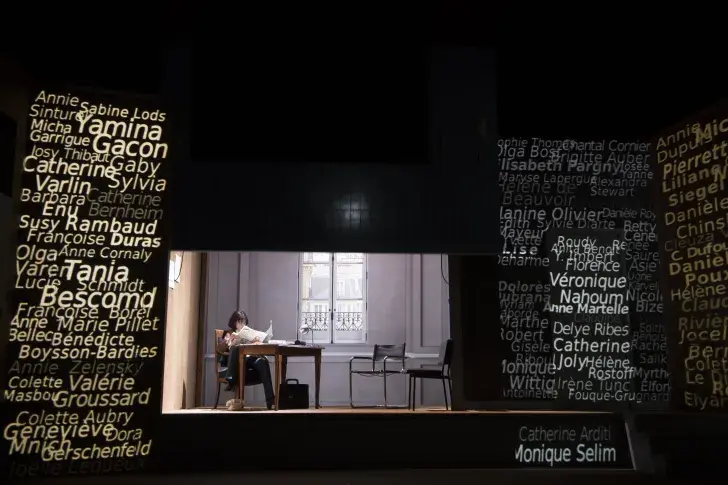
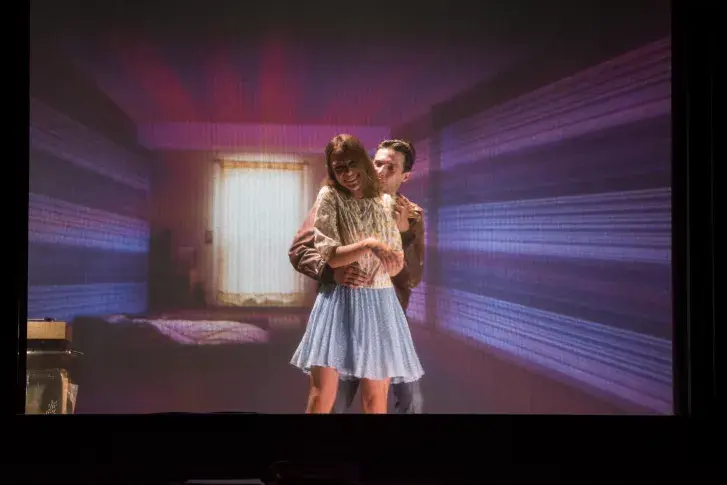
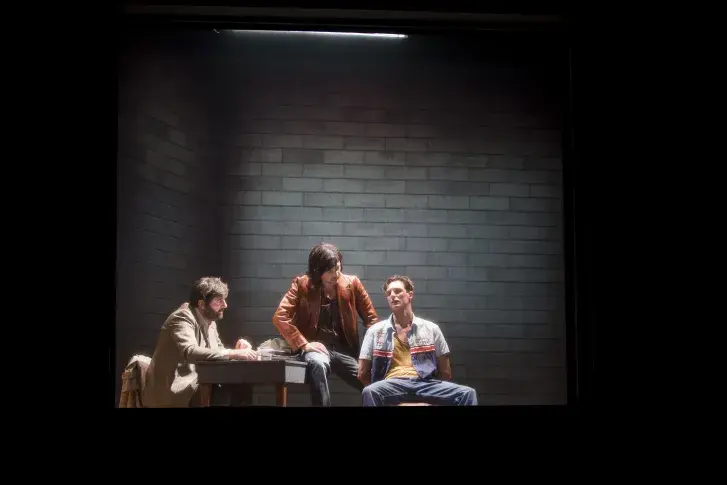
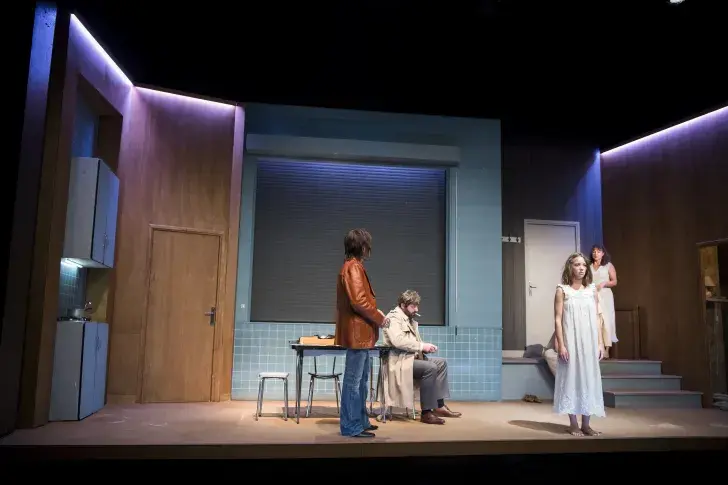
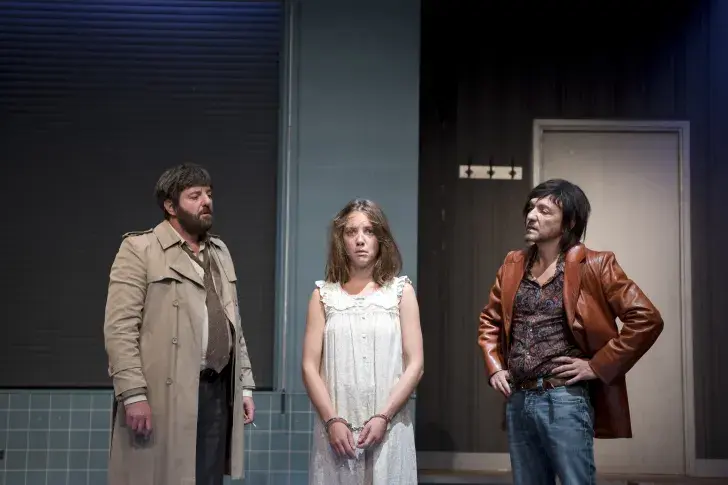
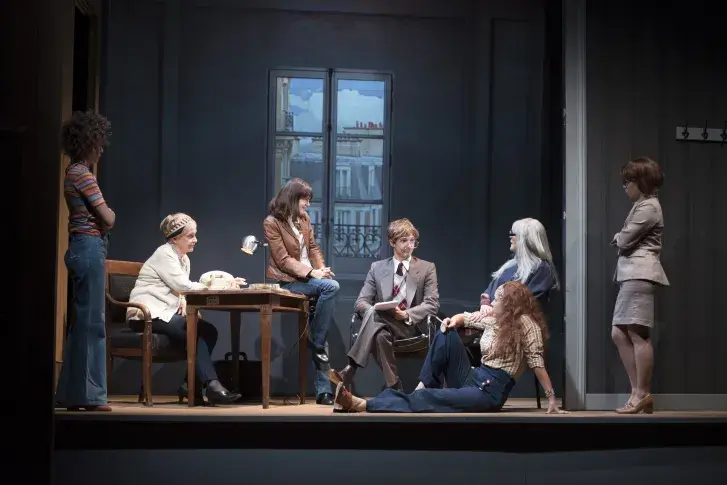
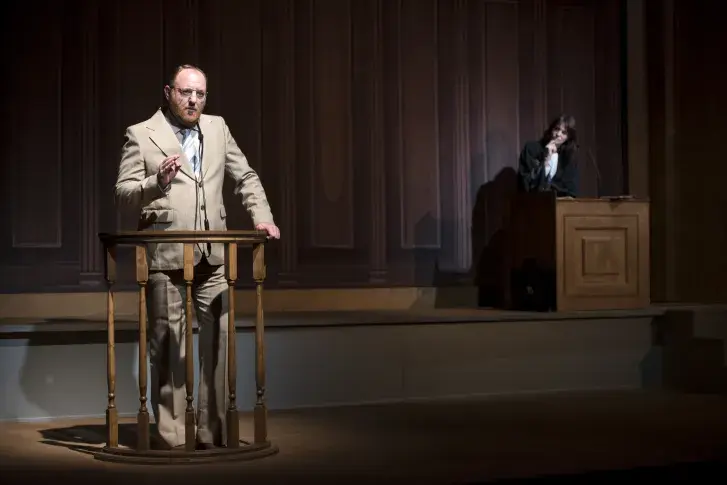
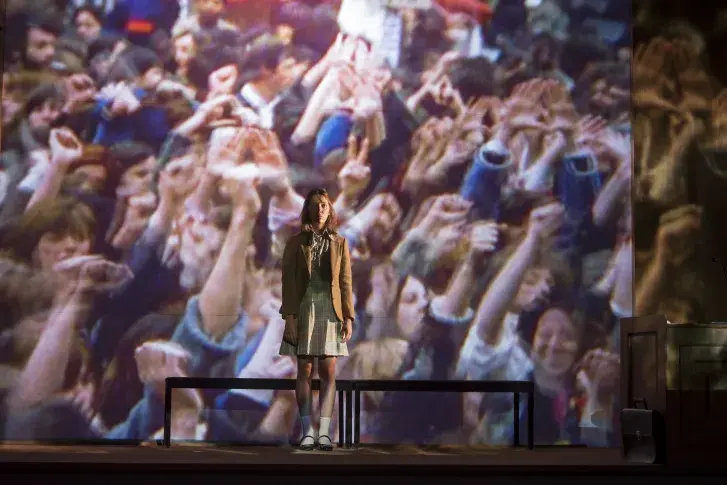
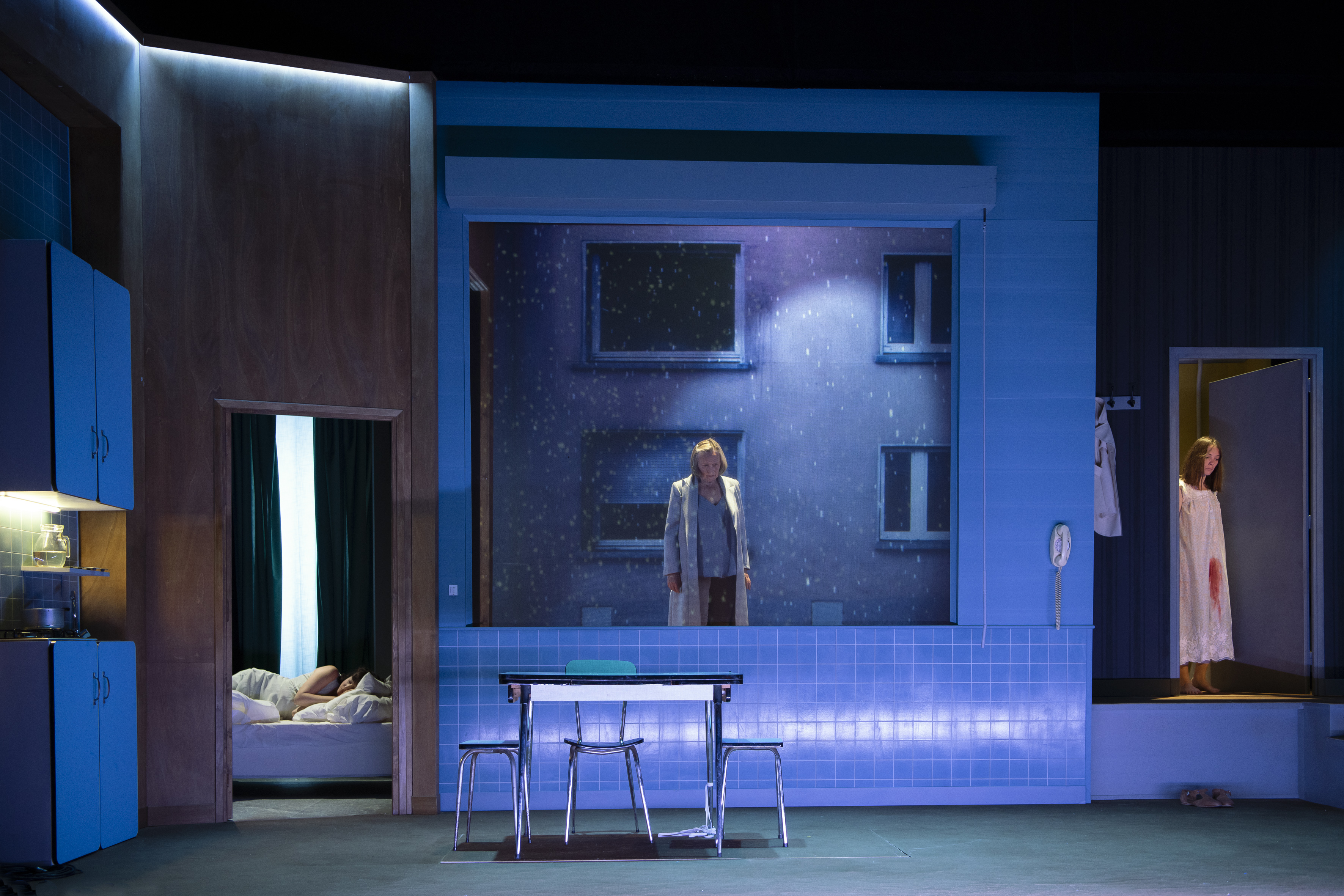
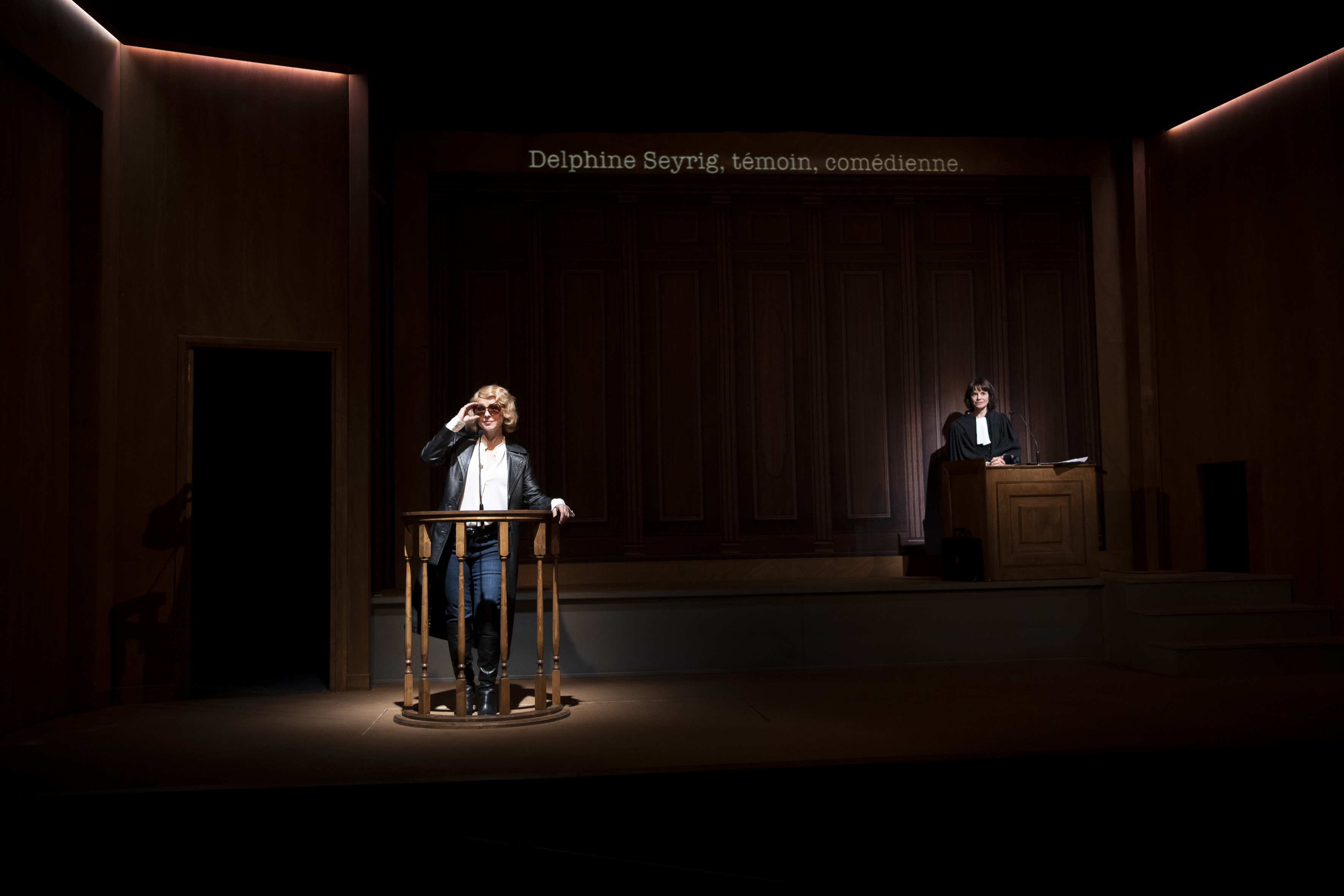
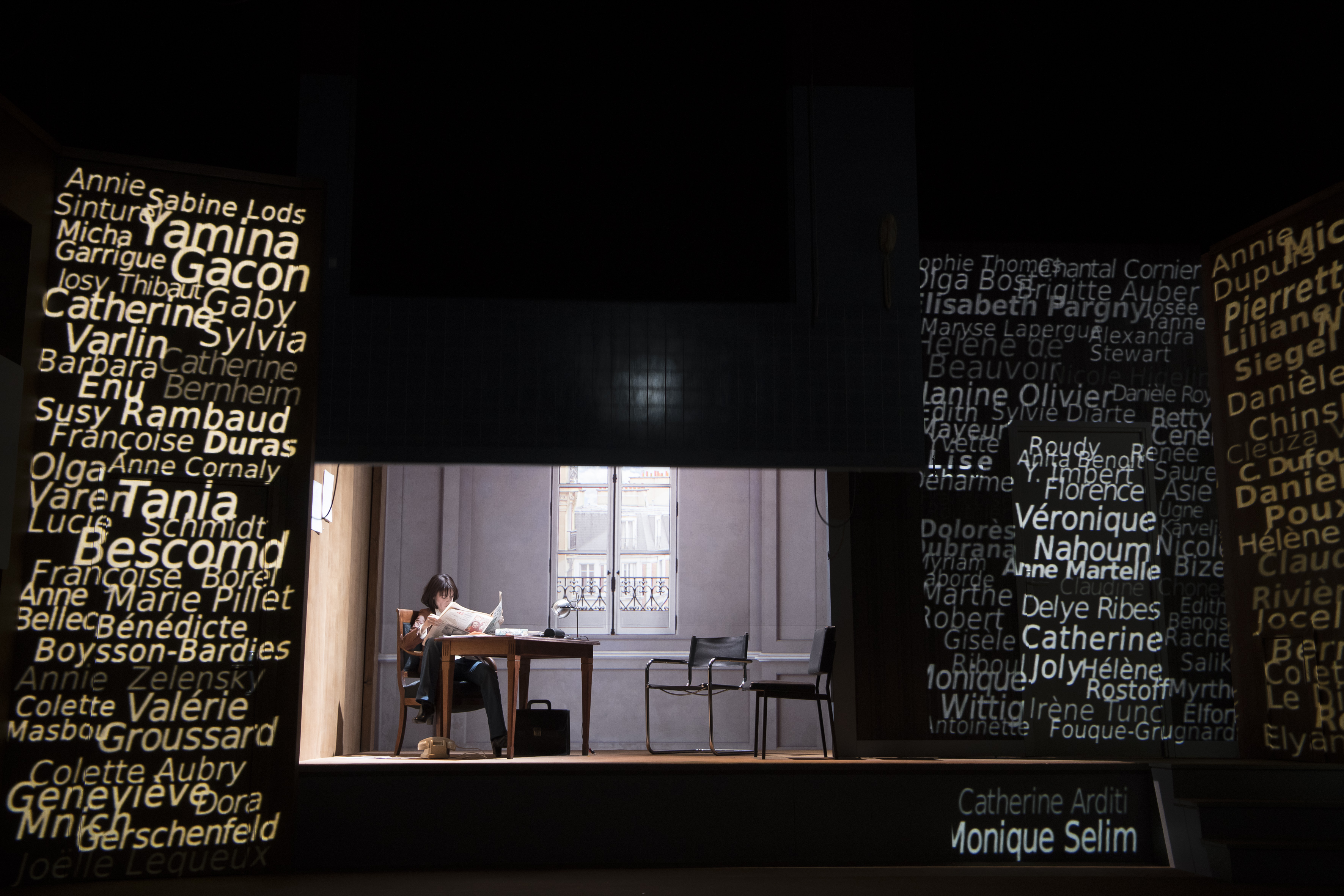
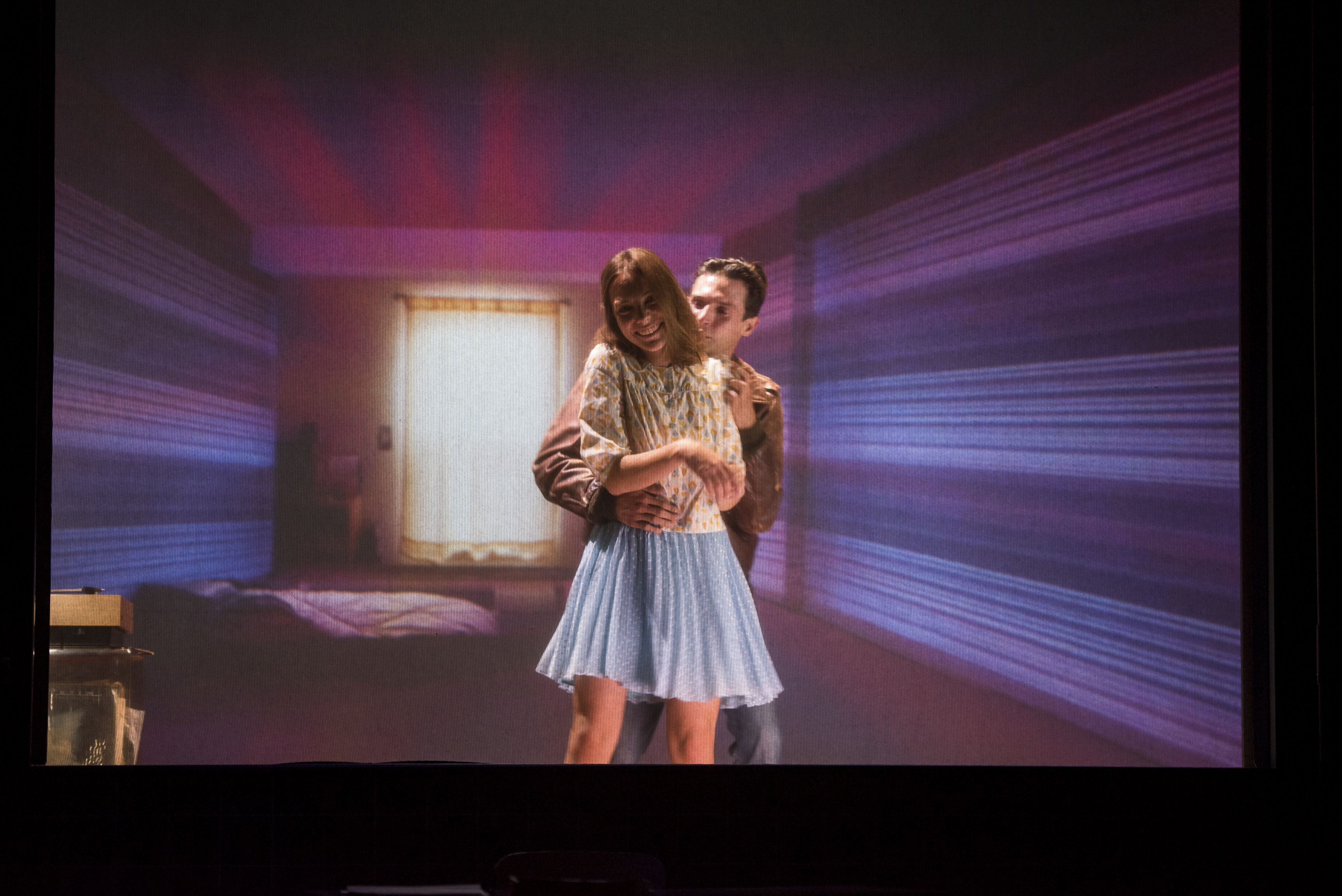
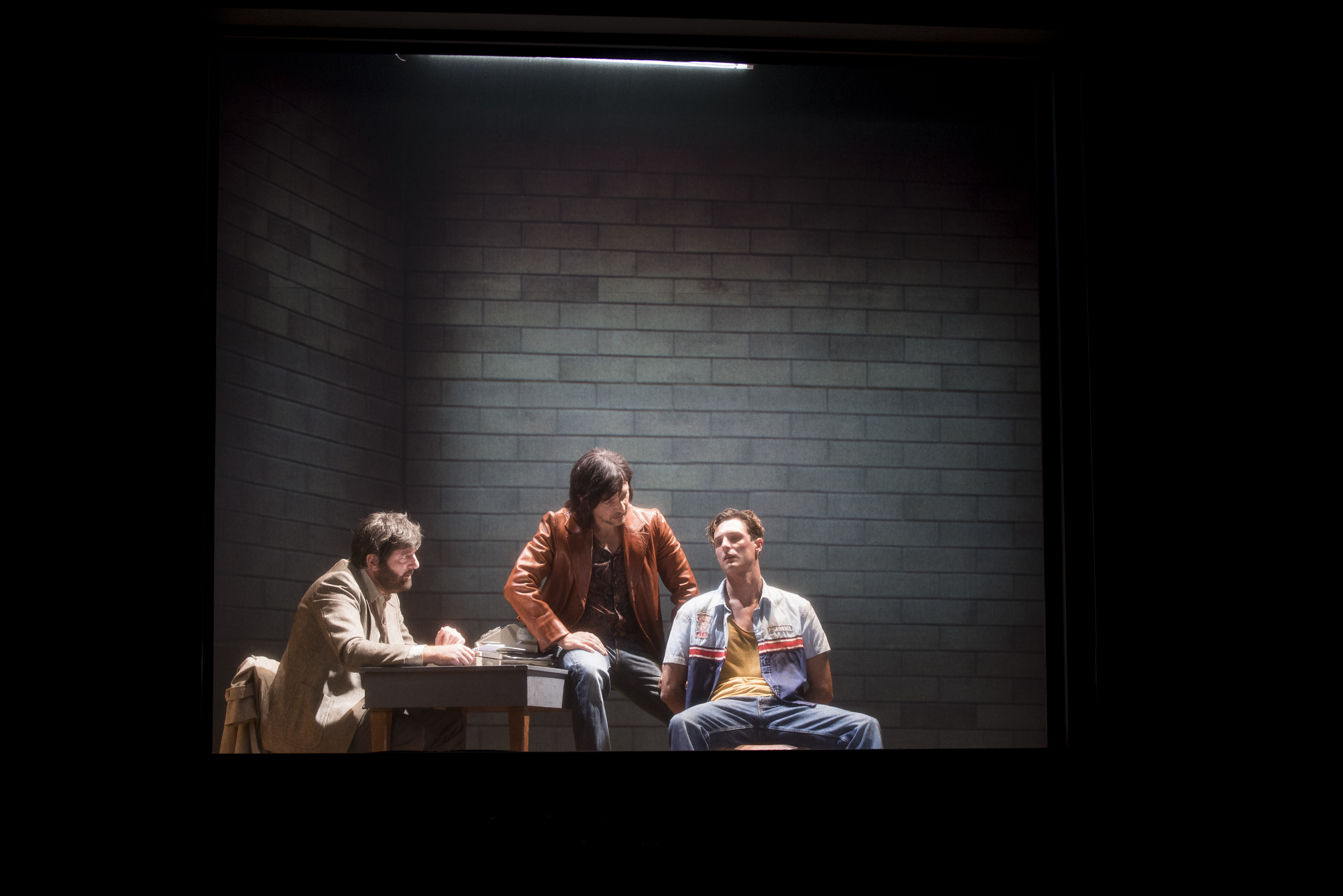
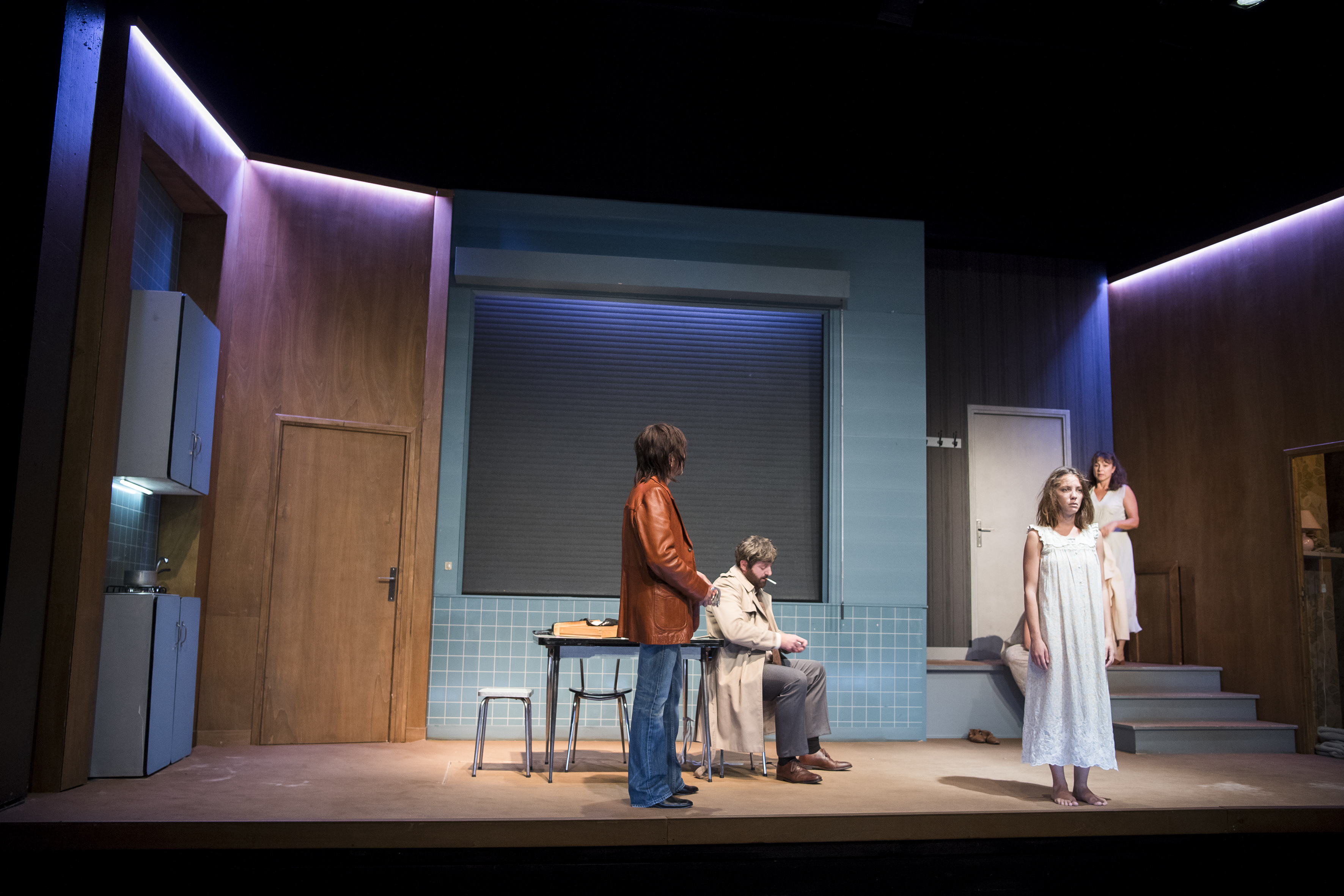
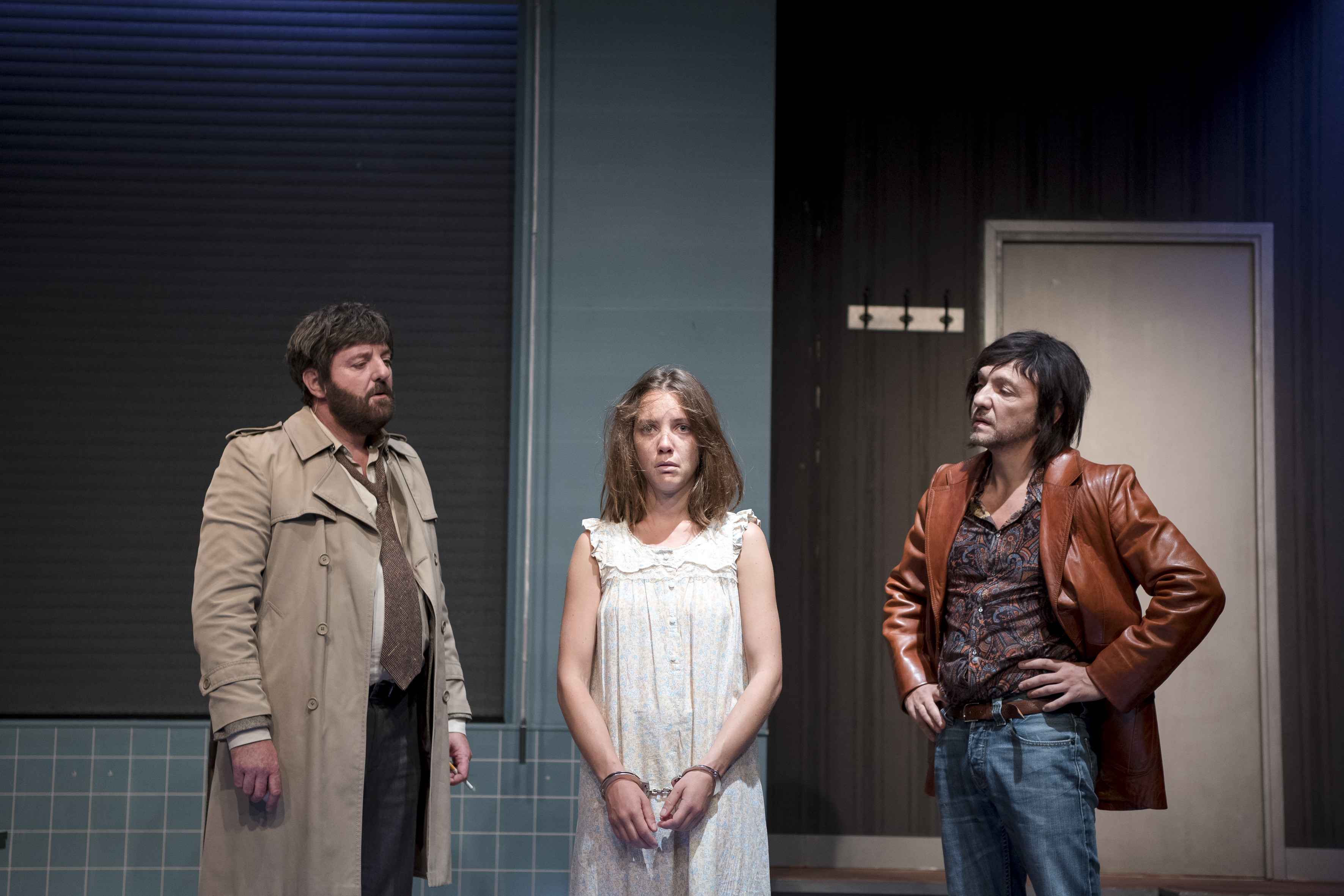
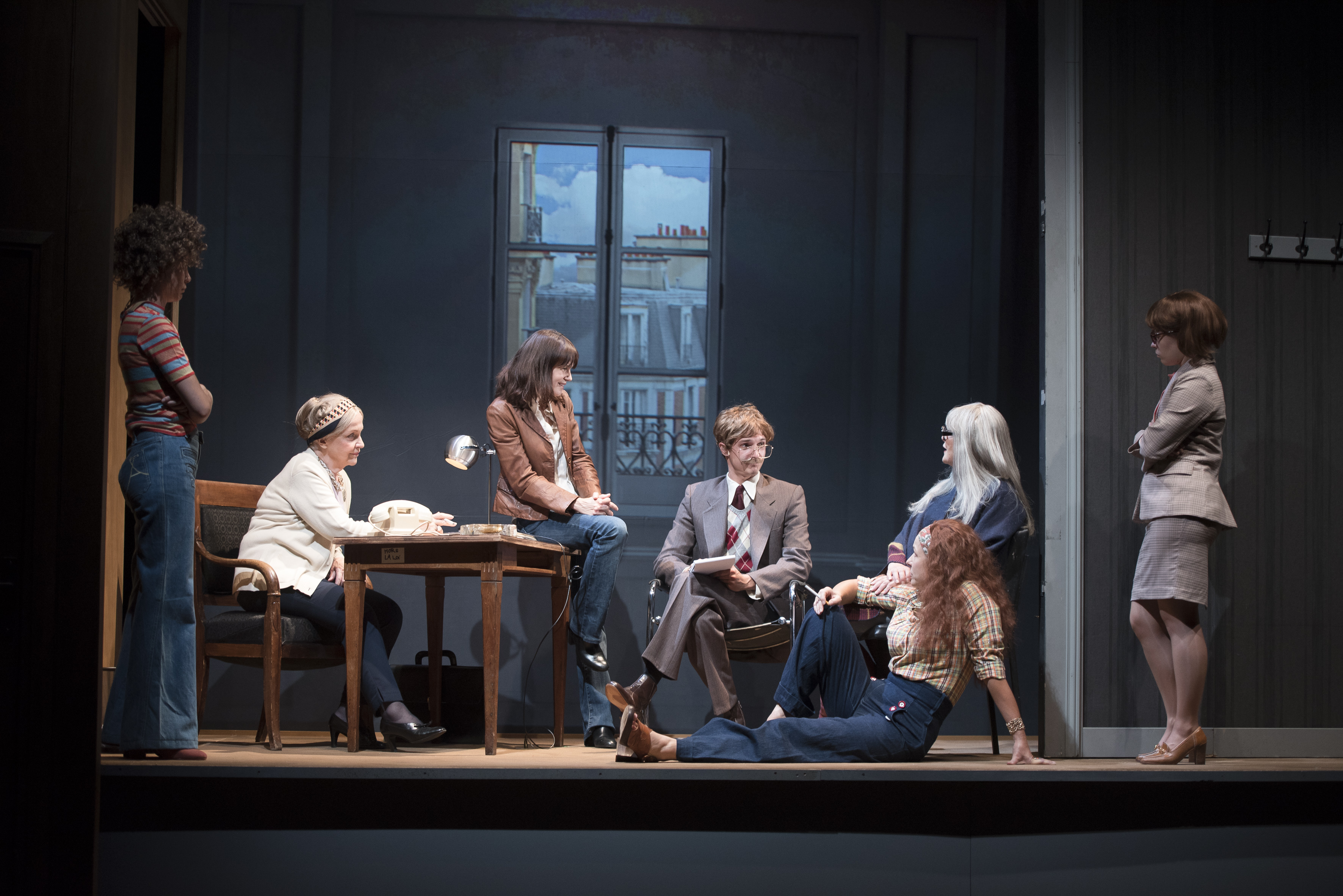
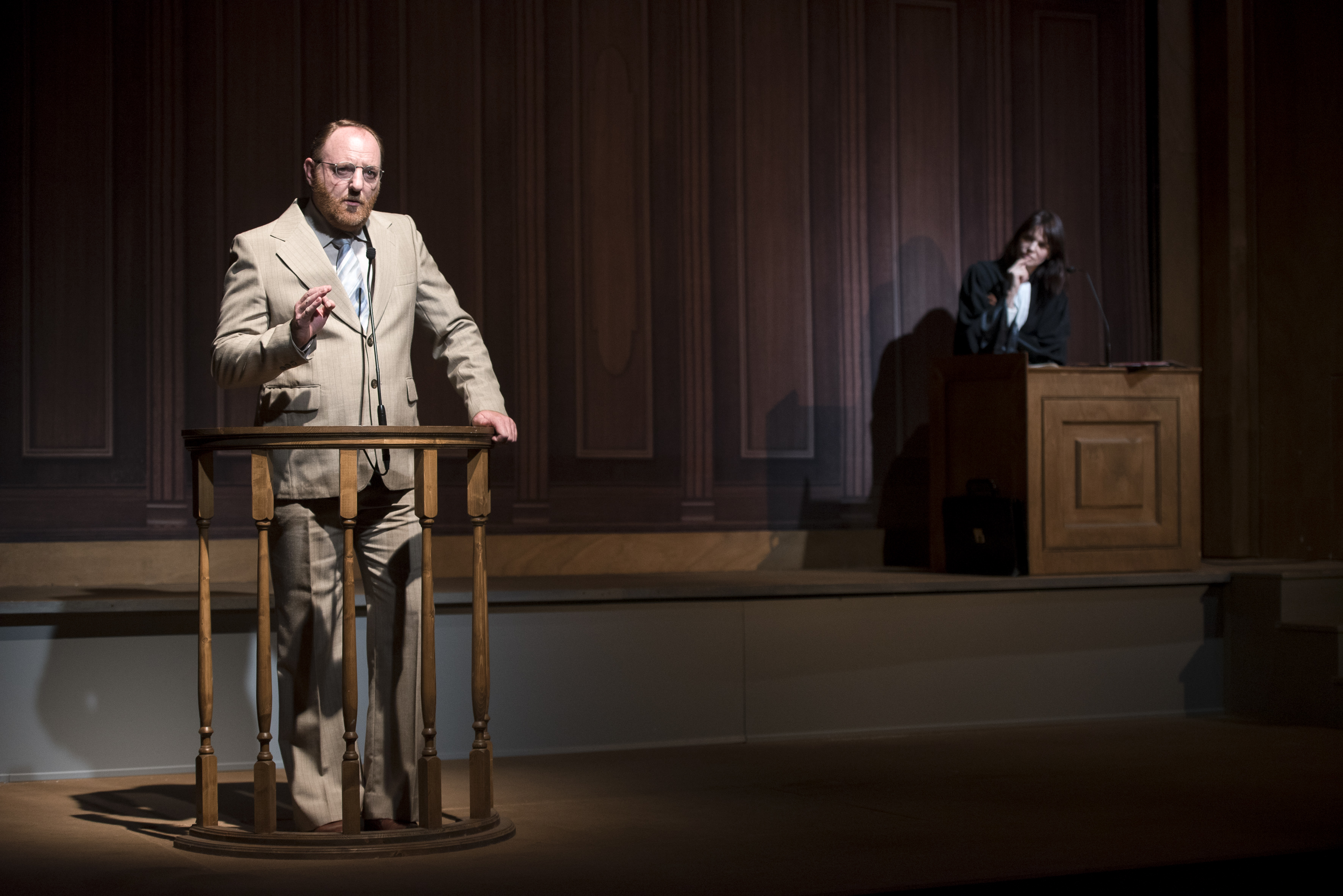
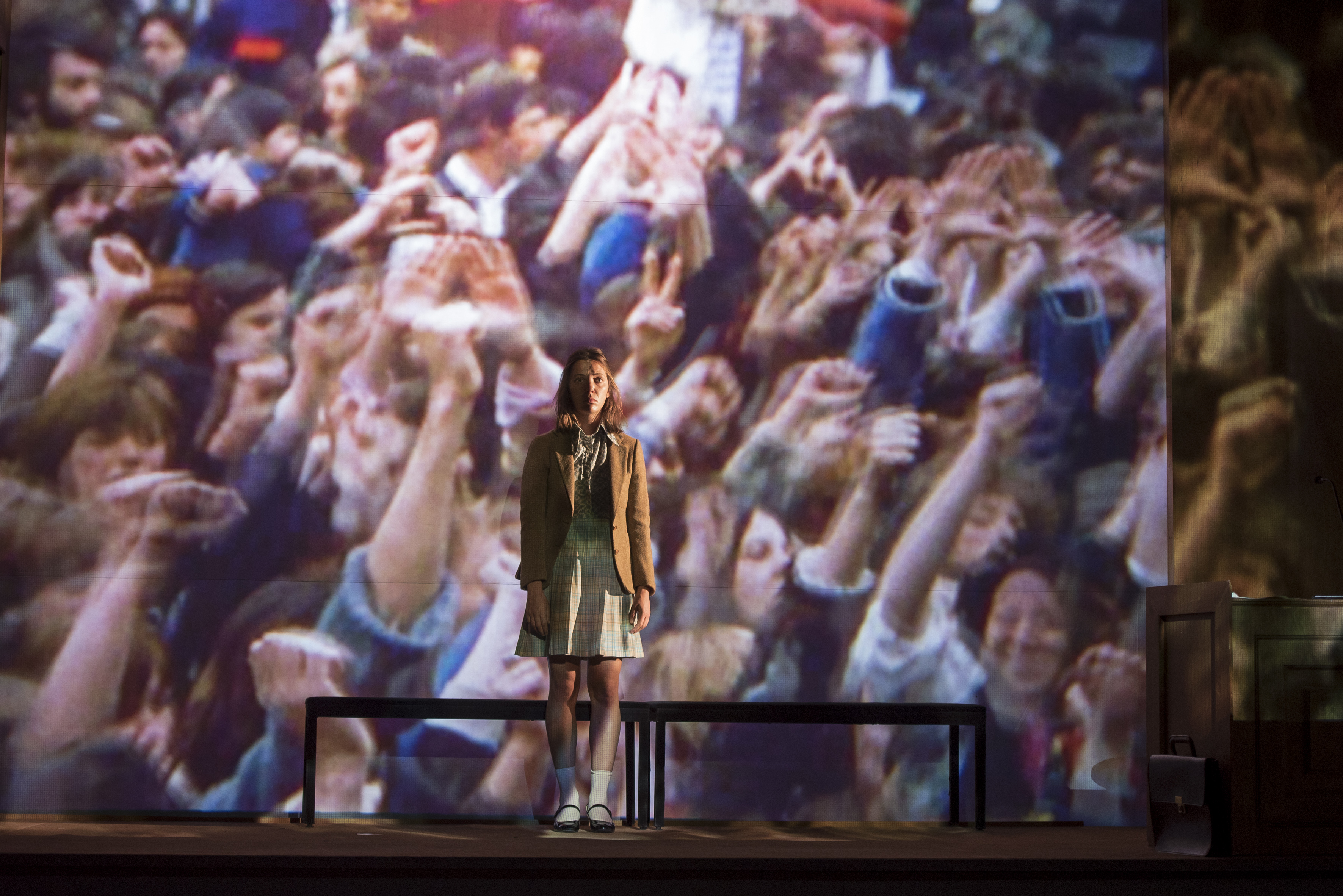
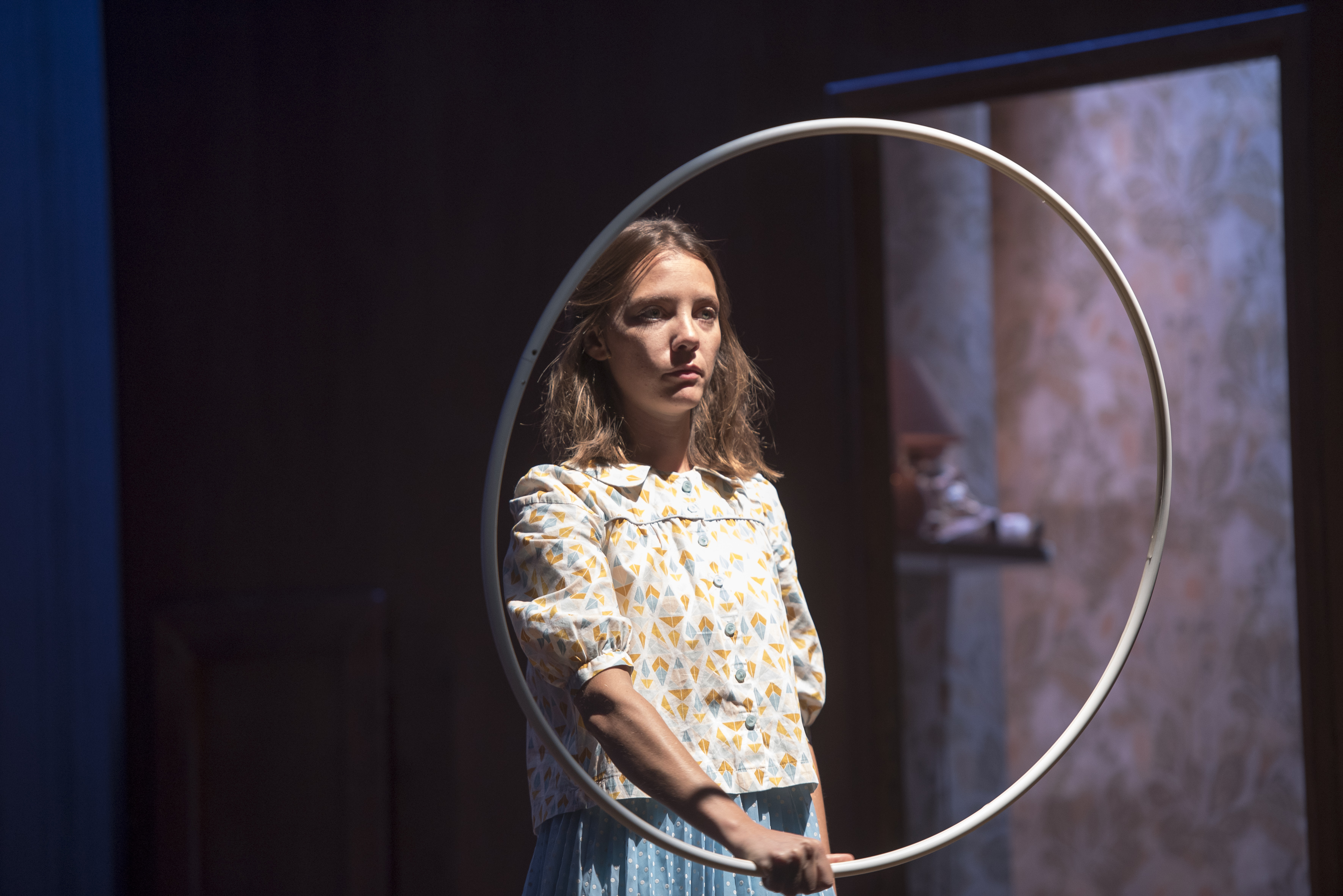
Pauline Bureau revient ici, avec une justesse sans fard, sur l’histoire de Marie-Claire, arrêtée pour s’être fait avorter après avoir été violée par un camarade de lycée. Sur le banc des prévenues à côté de l’adolescente, sa mère, une collègue de la RATP et la « faiseuse d’ange ». Avec leur accord, l’avocate Gisèle Halimi, qui vient de signer avec Simone de Beauvoir le Manifeste des 343, transforme la défense en une tribune publique qui dénonce l’injustice de la loi de 1920 interdisant l’avortement. S’entourant de nombreuses personnalités – le prix Nobel de médecine Jacques Monod, l’homme politique Michel Rocard ou la comédienne Delphine Seyrig venus « témoigner » – elle fait de la salle d’audience le théâtre d’une avancée du droit des femmes remarquablement menée. « Pour toujours j’ai 15 ans », dit Marie-Claire en ouverture de ce spectacle qui donne la parole à la femme qu’elle est aujourd’hui devenue, dévastée par cette histoire intime qui a croisé la grande histoire : « C’est une histoire vraie, dit Pauline Bureau, je m’appuie sur le réel qui comporte de multiples facettes. » À travers la détermination de ces femmes à défier les lois d’une société en mutation, son théâtre rend un hommage salutaire à toutes les héroïnes d’aujourd’hui.
Avec la participation de l’INA (Institut national de l’audiovisuel)
- Mesures sanitaires : le port du masque et la distanciation physique sont obligatoires. L'entrée de nos théâtres sera interdite aux personnes s'y refusant et les billets ne seront pas remboursés.
Compte tenu de l’instabilité du contexte sanitaire et des mesures relatives à l’accueil du public, nous mettrons en vente les spectacles au fur et à mesure de la saison.
Nous vous informons par courriel, sur notre site Internet et nos réseaux sociaux des prochaines ouvertures de vente.Le théâtre a sans doute beaucoup à voir avec la justice : au tribunal comme sur scène, les personnages tiennent des rôles et défendent des causes. Un public assiste à l’audience, comme à une représentation théâtrale. Il n’est donc pas étonnant de retrouver sujets et situations judiciaires dans le Répertoire, portés sur les plateaux, qui se muent parfois en tribunes évaluant les grands sujets de société, tels que le droit à l’avortement traité par Pauline Bureau.
La satire du système judiciaire
Comme Molière s’est attaché à la satire de la médecine, le système judiciaire a lui aussi son polémiste en la personne de Racine : Les Plaideurs, seule comédie du tragédien, évoque la frénésie de plaidoirie qui prend les personnages de sa pièce, ces derniers n’ayant d’autre passion que la chicane et allant jusqu’à organiser le procès d’un chien voleur de chapon. Nombre de comédies aux titres évocateurs reprendront ce motif, sans doute avec moins de brio : L’Avocat sans étude de Rosimond (1680), L’Avocat patelin de Brueys (1706), Les Plaideurs sans procès de Charles-Guillaume Étienne (1821).
Les procès historiques
À l’instar du spectacle de Pauline Bureau, qui reprend la célèbre défense de l’avocate Gisèle Halimi au procès de Marie-Claire Chevalier, traduite en justice pour s’être faite avortée (1972), des procès historiques sont portés sur les planches. La période révolutionnaire inspire nombre de textes et le Tribunal révolutionnaire est évoqué à de multiples reprises. Thermidor de Victorien Sardou (1891), construit son intrigue autour du procès de Robespierre, dont certaines phrases célèbres sont reprises des délibérations. Le Tribunal révolutionnaire est totalement reconstitué dans_Le Sang de Danton_ de Saint-Georges de Bouhelier (1931), consacré au tribun.
Ces pièces écrites avec le recul du temps permettent de restituer un moment historique, ce qui n’est pas toujours le cas de celles produites simultanément aux événements ou à portée politique. La période révolutionnaire abonde ainsi en textes circonstanciels. Sur un thème semblable – le procès des religieuses sous la Révolution –, on peut apprécier la différence de ton entre Les Victimes cloîtrées, drame de Jacques-Marie Boutet de Monvel (1792), et Dialogues des carmélites de Georges Bernanos (1961).Exemplarité des affaires et évolution de la société
L’une des grandes scènes de tribunal du Répertoire est assurément le troisième acte du Mariage de Figaro de Beaumarchais (1784), qui fait le procès de la justice seigneuriale et des droits qui y sont attachés, comme le « droit de cuissage » déjà abordé par Voltaire dans Le Droit du seigneur en 1762. Ces pièces, sans évoquer des procès célèbres et en restant dans la fiction, montrent une pratique quotidienne abusive et recherchent l’exemplarité de certaines situations pour en dénoncer les effets. Elles participent à l’évolution de la société vis-à-vis de ces pratiques.
Le monde judiciaire, policier et carcéral est plus largement abordé par le théâtre au XXe siècle pour en dénoncer les aberrations, les abus et parfois les iniquités. Certains auteurs s’en font presque une spécialité comme Courteline (L’Article 330, Les Balances, Un client sérieux, Le commissaire est bon enfant, Le gendarme est sans pitié) ou encore Jean Genet (Le Balcon, Les Nègres, Haute surveillance, Les Paravents, Le Balcon).Les questionnements politiques resurgissent dans la période charnière de la seconde guerre mondiale. Dans Antigone, Jean Anouilh s’approprie un grand mythe mais, contrairement à Sophocle, le conflit n’est plus entre la loi divine et la loi humaine, dans sa version, mais entre la loi de l’État et celle de l’individu. La pièce écrite en 1942 répond ainsi aux interrogations de la société sur l’Occupation qu’elle subit alors. L’appareil judiciaire d’après-guerre est, lui, dénoncé dans La Tête des autres de Marcel Aymé (1952).
L’iniquité de la justice peut embrasser aussi les grandes causes humanistes comme dans La Robe rouge d'Eugène Brieux (1900), qui montre l’acharnement des magistrats contre des prévenus de condition modeste, ou encore La Putain respectueuse de Sartre, qui évoque un procès à charge fait contre des Afro-Américains dans l’Amérique des années 1930. C’est dans cette lignée de pièces épousant des causes majeures que s’inscrit le spectacle de Pauline Bureau.
Certains procès, en effet, ont pu faire évoluer les mentalités puis les lois sur des sujets cruciaux qu’il semble important de faire réentendre aujourd’hui et dont le théâtre a toujours été un moyen de médiatisation efficace.Agathe Sanjuan
- Visuel : Les Plaideurs – Suzanne Reichenberg, Pierre Laugier, Louis Leloir, Jules Truffier, Coquelin cadet, gravure, album Pasteur, 1897 © Coll. Comédie-Française
-
Texte et mise en scène : Pauline Bureau
Scénographie : Emmanuelle Roy
Costumes : Alice Touvet
Lumières : Bruno Brinas
Vidéo : Nathalie Cabrol
Musique originale et son : Vincent Hulot
Maquillages et coiffures : Catherine Saint-Sever
Dramaturgie : Benoîte Bureau
Assistanat à la mise en scène : Sabrina Baldassarra
Documents
-
 Télécharger le PDF (2.13 MB)
Dossier pédagogique Hors la loi 18/19
Dossier pédagogique autour de la création du spectacle Hors La Loi par Pauline Bureau

Casting
-
 Michèle Chevalier, la mère de Marie-Claire ; Valérie, une militante féministe et Delphine Seyrig
 -
Et
Sarah Brannens : Martine, la soeur de Marie-Claire ; Suzanne, l’assistante de Maître Halimi et Claire Saint-Jacques