
Discover the play
-
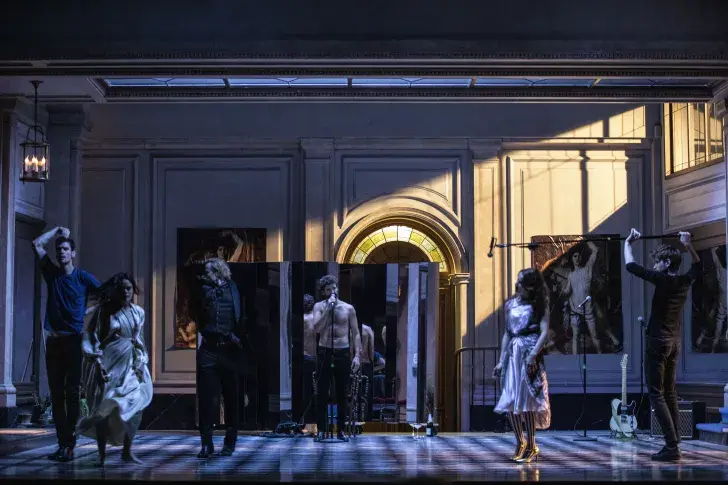
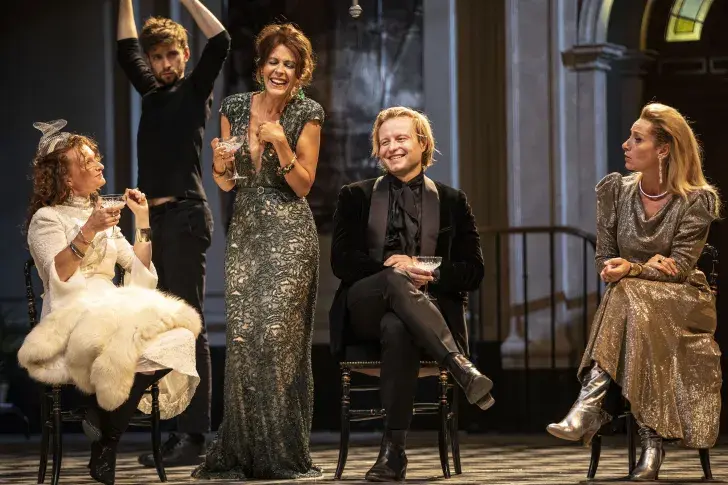
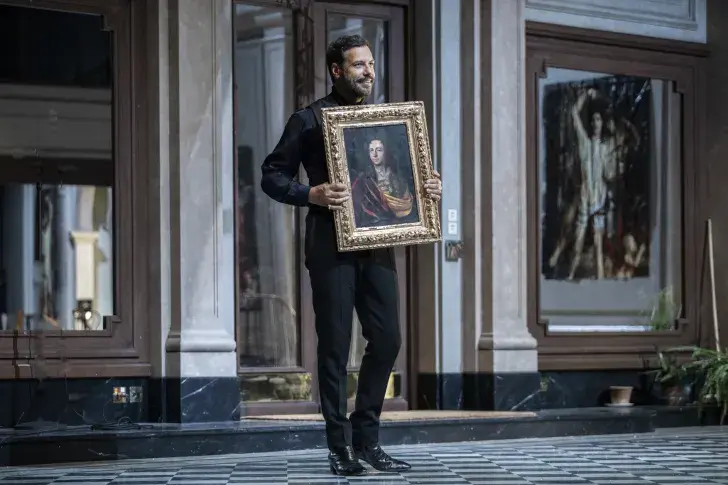
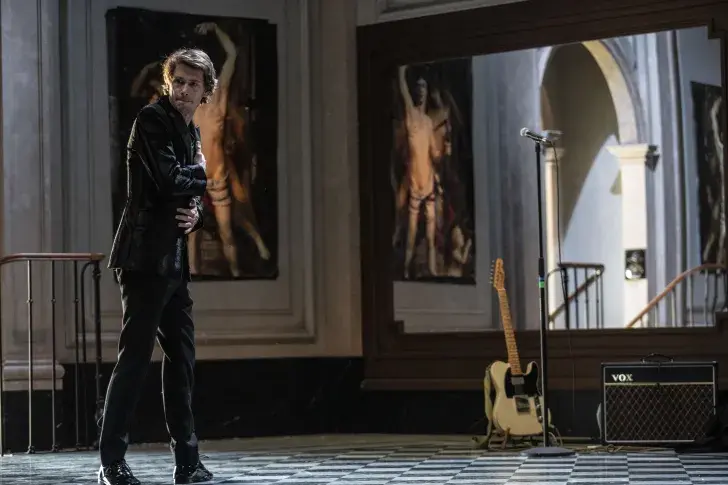
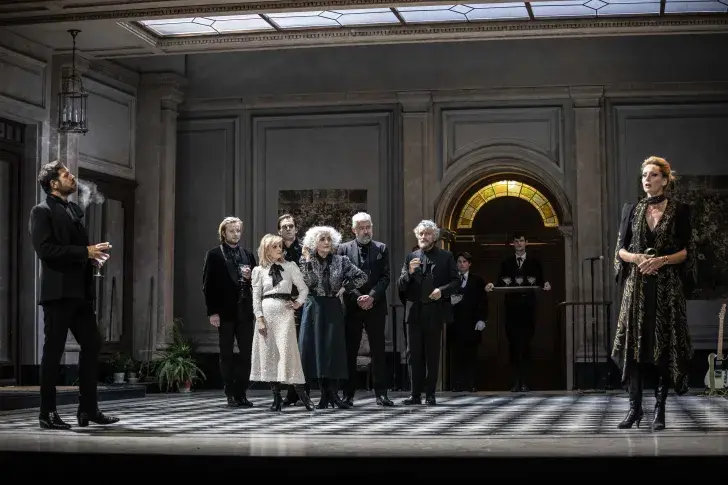
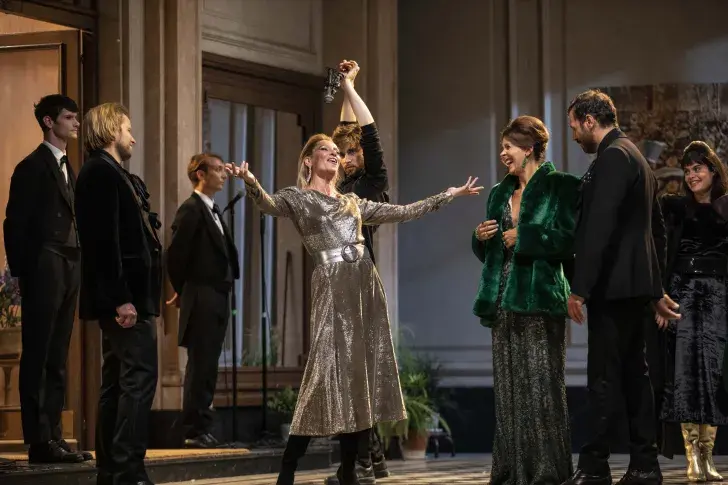
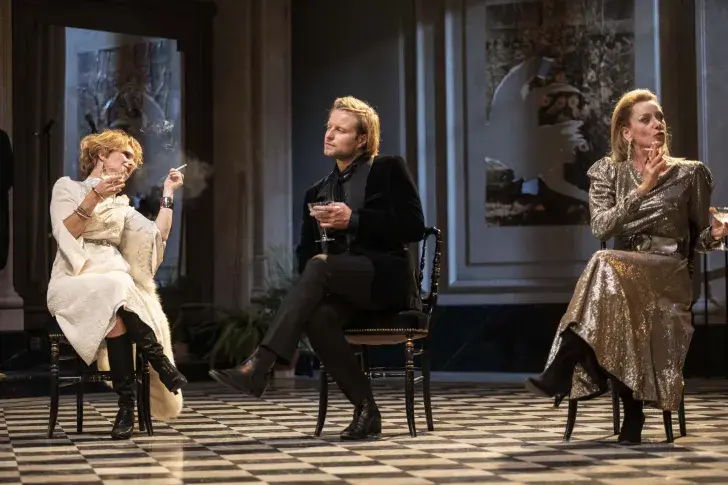
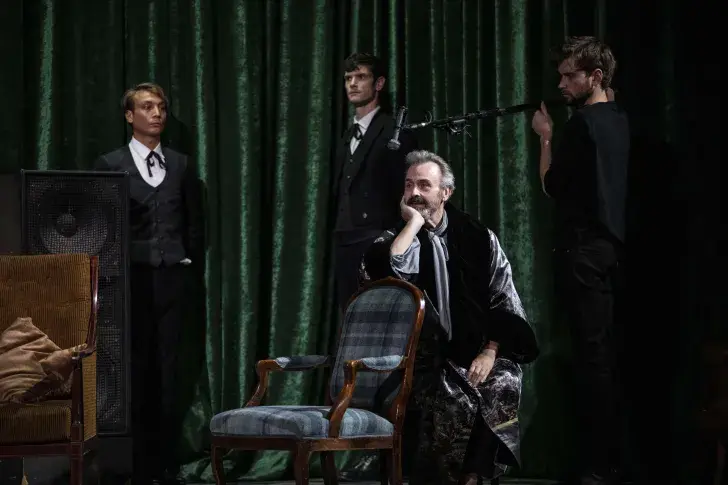
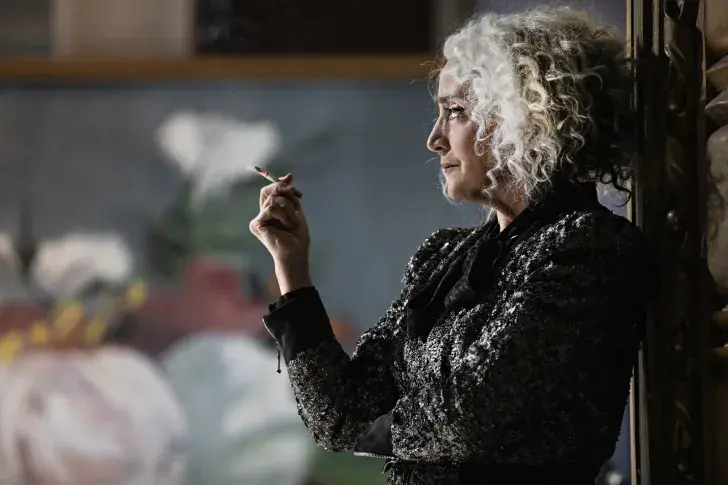
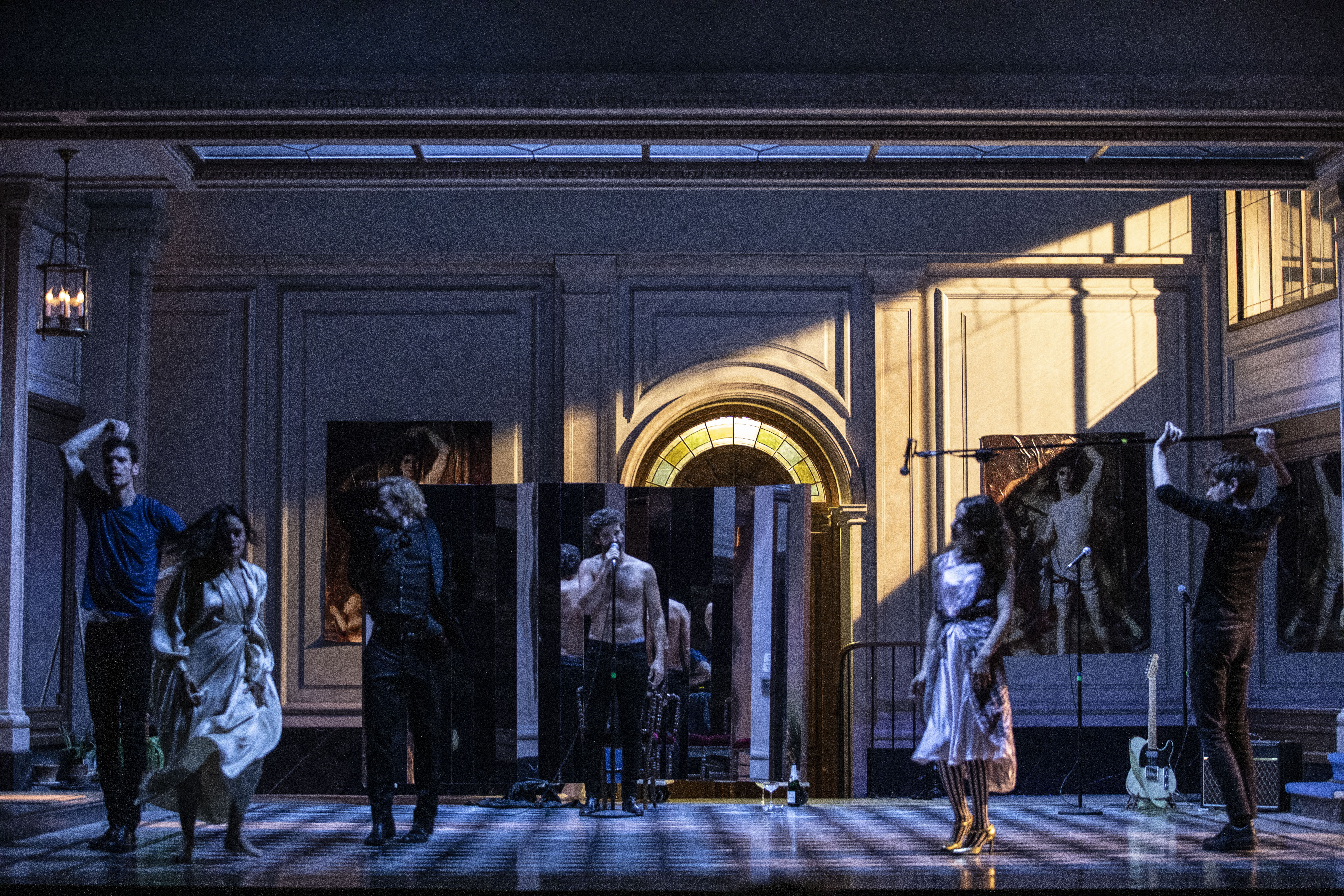
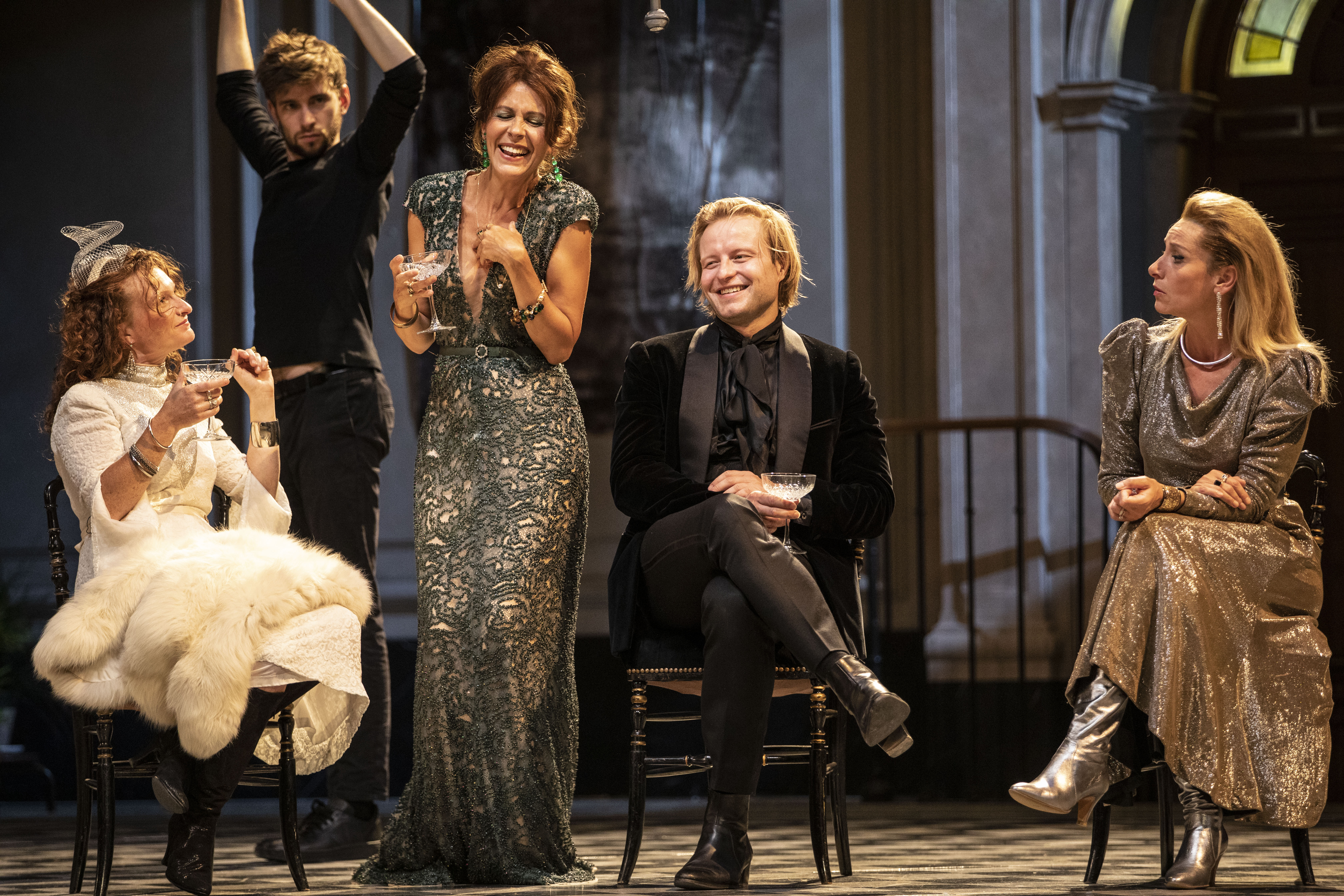
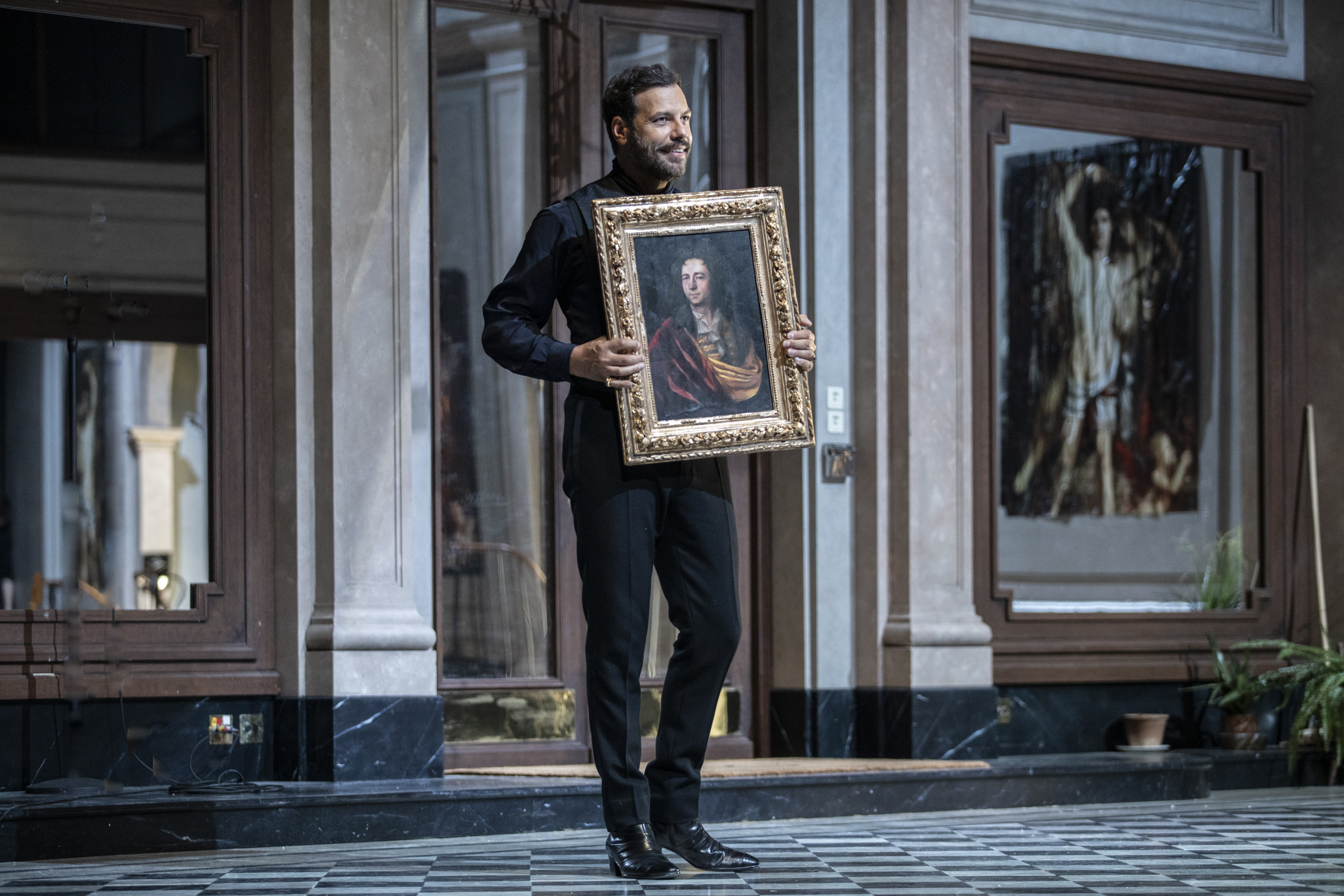
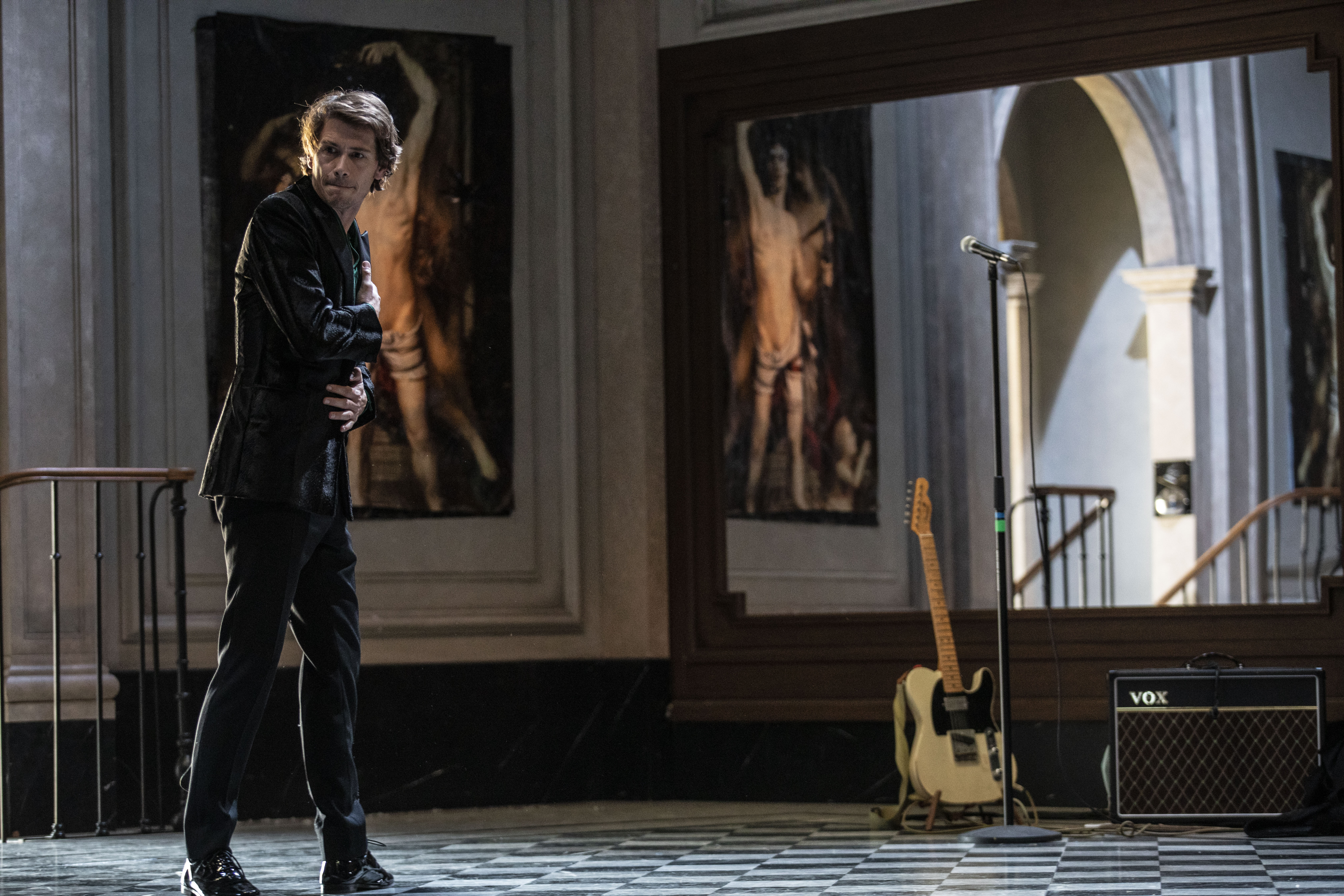
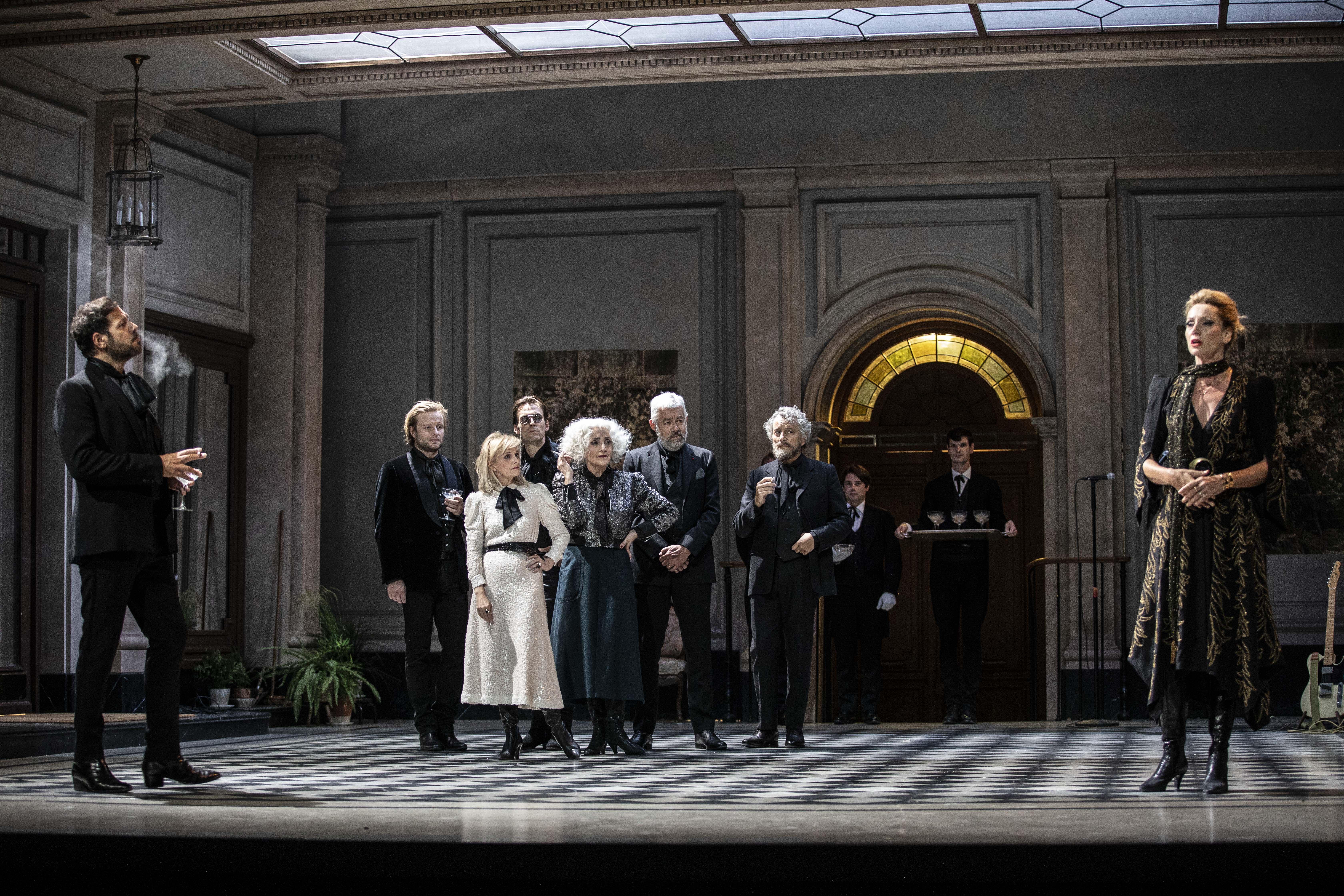
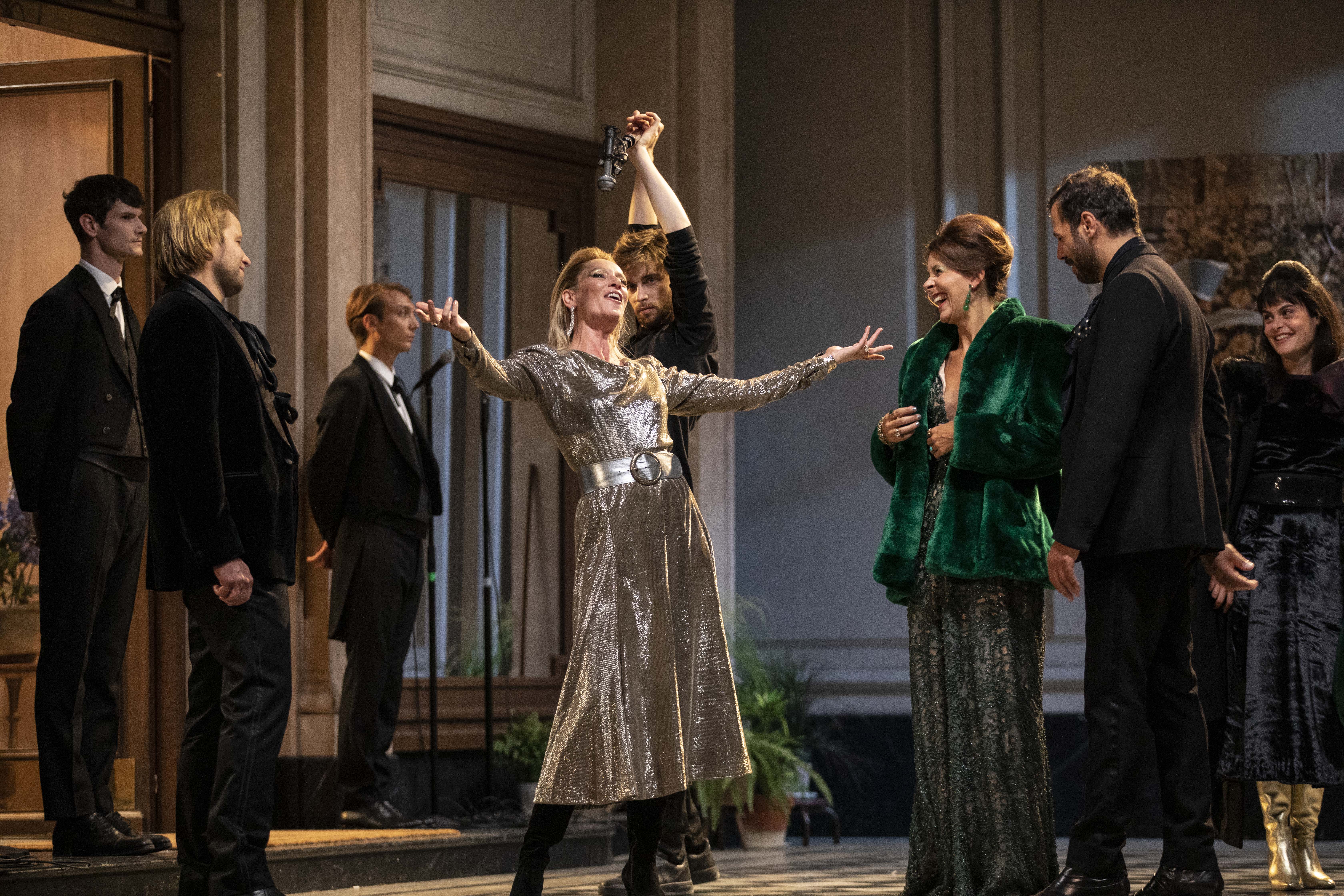
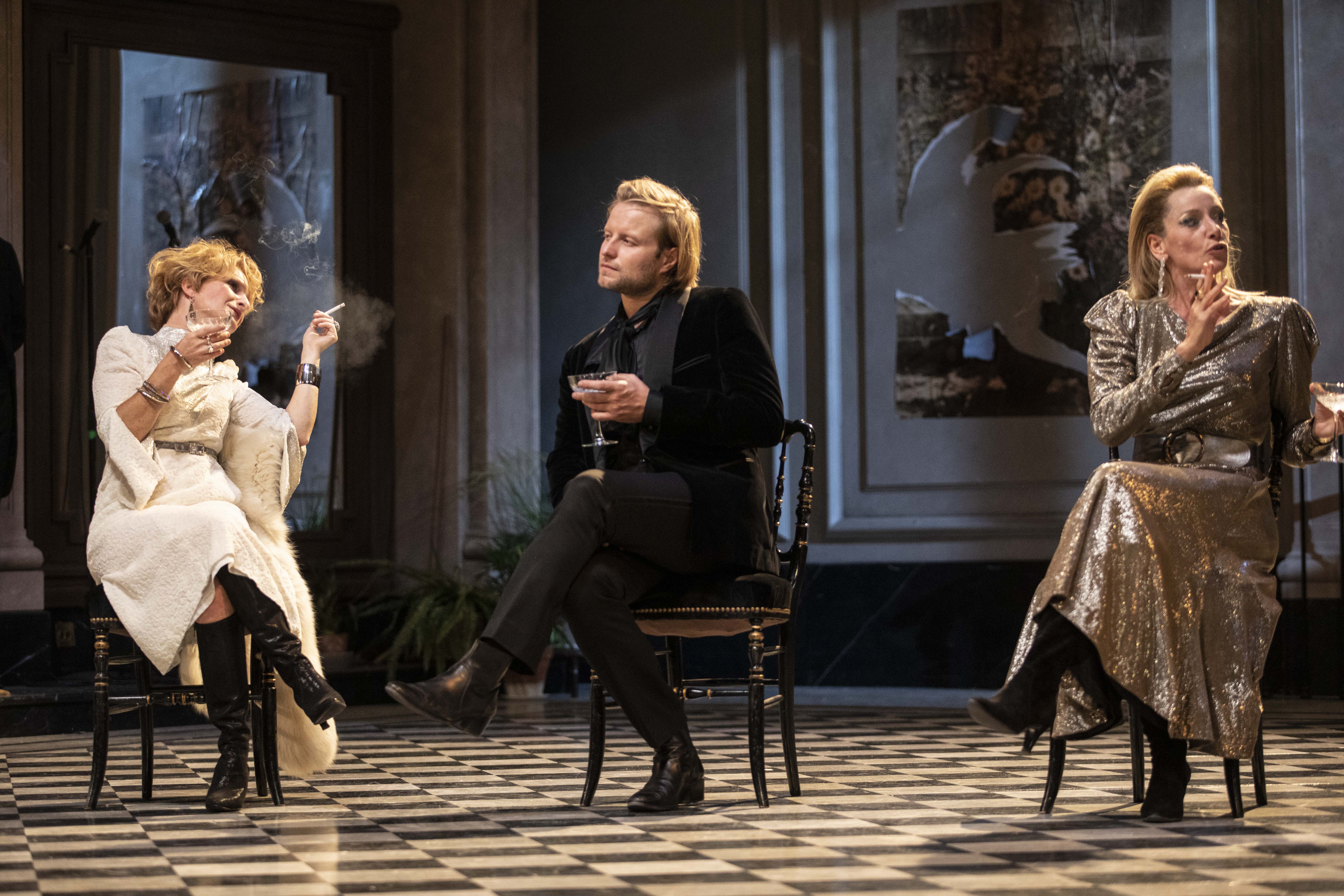
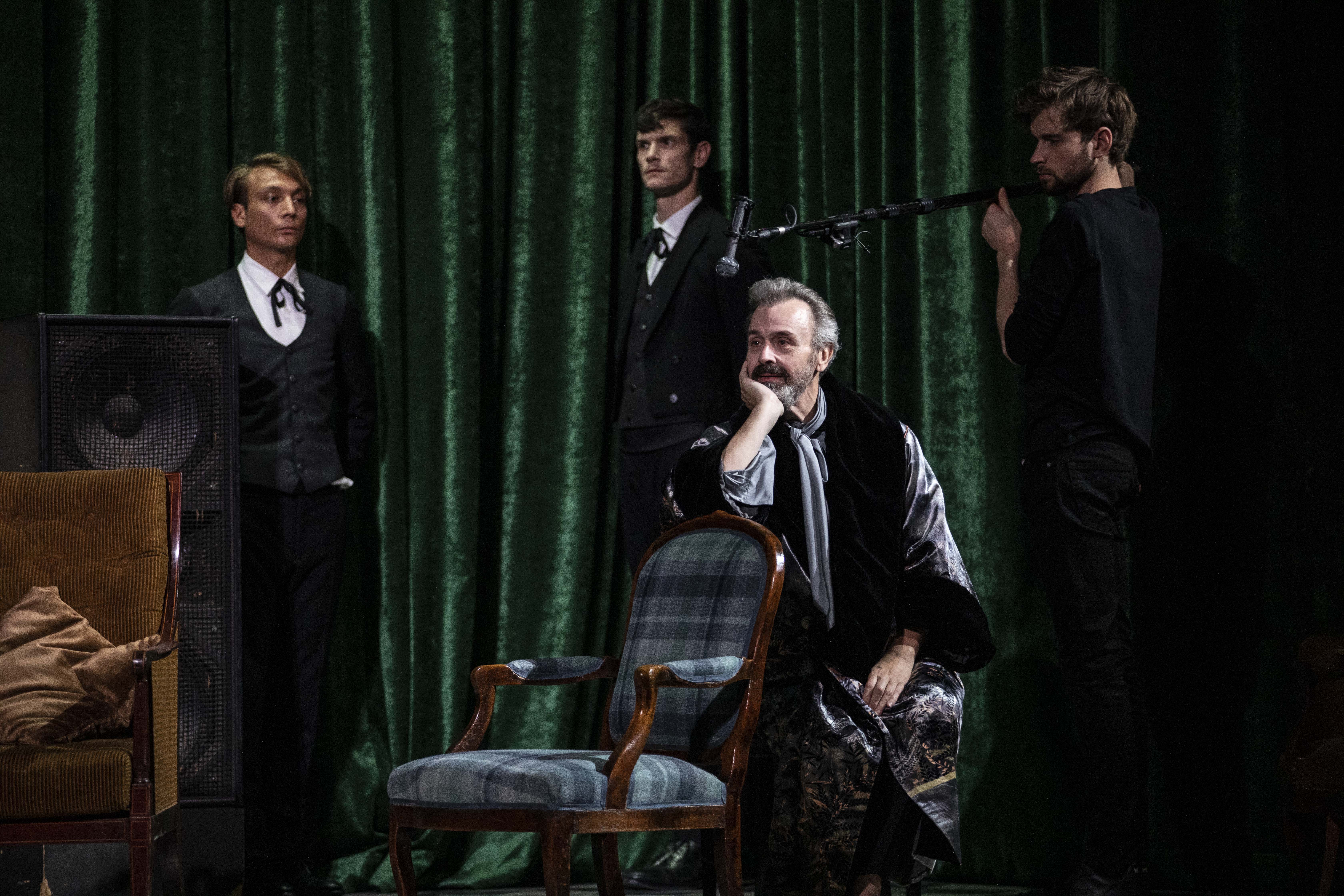
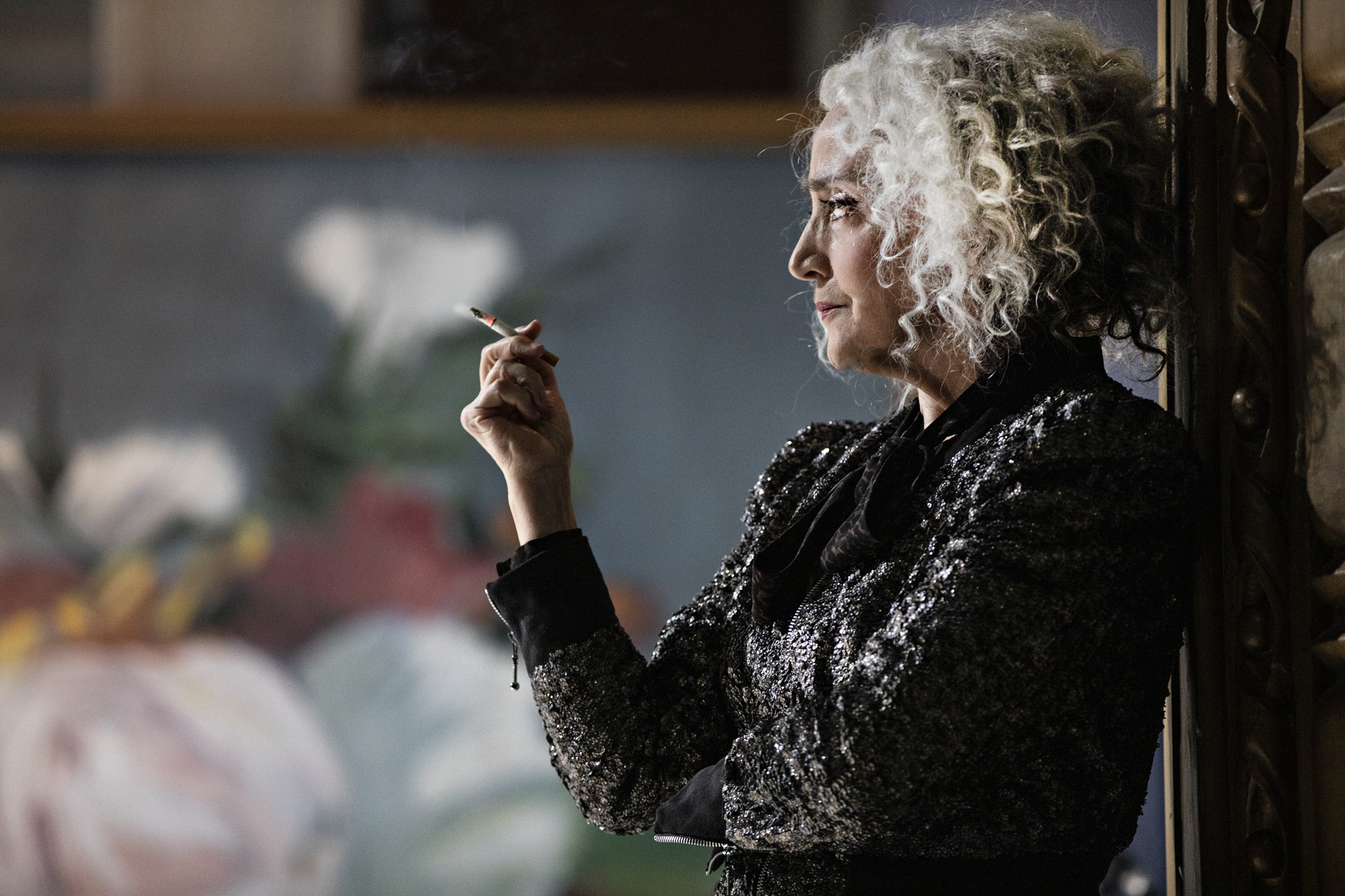
Le Narrateur y emménage avec sa famille à Paris, dans un appartement de l’hôtel de Guermantes dont il rêve de fréquenter le salon. Les Guermantes possèdent un château près de Combray où il a déjà pu admirer la Duchesse Oriane en portrait, figure qui cristallise sa fascination. De ce volume, le metteur en scène explique qu’il est d’abord l’incarnation d’un nom de famille aristocratique, inaccessible et soudain rendu à la portée de ce jeune homme doté d’un extraordinaire pouvoir de séduction. À l’heure du deuil de l’enfance et des illusions amoureuses, ce livre – dont l’action se déroule en partie aux abords du Théâtre Marigny – est aussi un récit rare sur les liens d’amitié que le Narrateur noue avec le dreyfusard Saint-Loup. Christophe Honoré, qui a notamment porté à l’écran La Princesse de Clèves dans La Belle Personne et récemment mis en scène ses Idoles, sait combien la littérature résiste aux tentatives d’adaptation illustratives, mais aussi comme elle s’anime lorsqu’on la déploie dans le temps présent. La folie de cette œuvre tient selon lui à la sensation d’y retrouver quelque chose d’« absolument proche » de nos vies, un bouleversement de lecteur, toujours pressant, dont il fait le point de fuite de son projet théâtral.
Avec le soutien de la Fondation pour la Comédie-Française
- Mesures sanitaires : le port du masque et la distanciation physique sont obligatoires. L'entrée de nos théâtres sera interdite aux personnes s'y refusant et les billets ne seront pas remboursés.
Compte tenu de l’instabilité du contexte sanitaire et des mesures relatives à l’accueil du public, nous mettrons en vente les spectacles au fur et à mesure de la saison.
Nous vous informons par courriel, sur notre site Internet et nos réseaux sociaux des prochaines ouvertures de vente.ATTENTION dates supplémentaires en matinée en octobre :
Nombre d’auteurs de théâtre se sont inspirés d’œuvres antérieures, le plus souvent dramatiques. Ils s’emparent plus rarement de romans, l’adaptation posant de multiples questions d’ordre littéraire – comment transposer la narrativité propre au genre ? – ou scénique – comment faire exister la multiplicité des lieux d’un roman sur une scène de théâtre ? De l’appropriation à la transposition fidèle, les adaptations de romans à la scène nous offrent un reflet de l’histoire littéraire.
Au XVIIIe siècle comme au XIXe siècle, certains romanciers étrangers sont pillés par les dramaturges. Les romans à succès édifiants de l’Anglais Samuel Richardson sont par exemple transposés à la scène sous le nom d’autres auteurs.
Le phénomène prend une ampleur inédite au XIXe siècle, où les romantiques recyclent eux-mêmes leurs grands succès romanesques et leur donnent une seconde vie sur scène. Alexandre Dumas s’en fait une spécialité, mais la Comédie-Française, théâtre de répertoire, s’intéresse davantage aux textes dramatiques originaux qu’aux adaptations, fussent-elles de l’auteur. Le théâtre est alors plus rémunérateur que les ventes en librairie, ce qui pousse certains dans cette veine – comme Balzac, éternel endetté.À partir du XXe siècle, les adaptations d’œuvres romanesques sont plus régulières, réalisées soit par les auteurs eux-mêmes, soit par d’autres plumes. De la même manière qu’on fait entrer au Répertoire les œuvres dramatiques étrangères traduites, le grand répertoire romanesque se fait une place à la Salle Richelieu, majoritairement après la Seconde Guerre mondiale. Il s’agit de représenter les fresques qui constituent un patrimoine littéraire mondial universellement reconnu. On peut parler d’une véritable mode dont tous les théâtres se saisissent. Les auteurs les plus souvent adaptés sont Dostoïevski, Hugo, Tolstoï, Dickens et Zweig. À la Comédie-Française, on peut citer : Les Misérables adaptés par Paul Achard (1957), Crime et châtiment de Dostoïevski (1963) et L’Idiot de Dostoïevski (joué en 1975 au Théâtre Marigny), adaptés par Gabriel Arout, L’Éternel Mari de Dostoïevski adapté par Victor Haïm (joué en 1987 à l’Odéon).
Certaines pièces procèdent d’un empilement de strates d’écritures, ainsi la Vie du Grand Don Quichotte et du Gros Sacho Pança par Antonio José da Sylva, qui propose une réécriture baroque du mythe de Cervantes (joué en 2008 à la Salle Richelieu), ou encore Les Cenci d’Antonin Artaud (montés à l’Odéon en 1981), qui s’inspire à la fois d’une pièce de Percy Shelley (1819), d’une nouvelle de Stendhal (1837), toutes deux inspirées de la_Chronique italienne_ de Ludovico Antonio Muratori (1749).
Plus récemment, ce sont les metteurs en scène qui choisissent d’adapter eux-mêmes les romans qu’ils montent, dans la perspective d’une homogénéité et d’une cohérence complètes entre le travail du texte et celui qui se déroule au plateau. Oblomov de Gontcharov a ainsi été adapté et mis en scène par Volodia Serre en 2013. Pour Fanny et Alexandre, Julie Deliquet (2019) s’est appuyée sur le roman, le scenario et la série créés par Bergman pour proposer une écriture de plateau finalisée en répétition.Si force est de constater que les romans adaptés à la scène sont le plus souvent choisis pour la richesse de leurs péripéties narratives, le projet de Christophe Honoré d’adapter un roman de Marcel Proust est d’autant plus original qu’il laisse toute sa place à l’introspection.
- Crime et châtiment, 1963, Hirsch, Camoin, Eine, Samie, Deiber - photo. Jacques Pourchot © Coll. Comédie-Française
-
Adaptation et mise en scène : Christophe Honoré
Scénographie : Alban Ho Van et Ariane Bromberger
Costumes : Pascaline Chavanne
Lumière : Dominique Bruguière
Son : Pierre Routin
Travail chorégraphique : Marlène Saldana
Maquillages : Vesna Peborde
Assistanat à la mise en scène : Aurélien Gschwind et Sébastien Lévy
Assistanat aux costumes : Claire Fayel, costumière de l’académie de la Comédie-Française
Assistanat à la lumière : Nicolas Faucheux et Pierre Gaillardot

Casting
-
-
-
Et
Romain Gonzalez : preneur de son en scène