
Discover the play
-
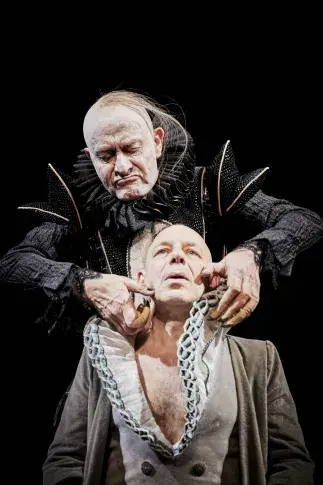
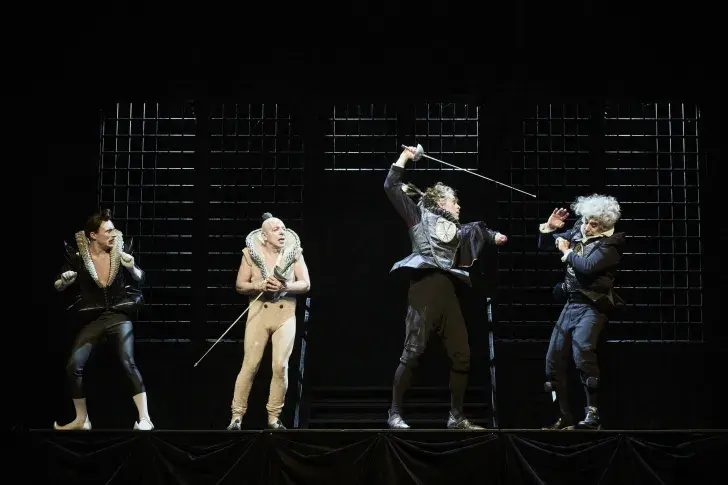
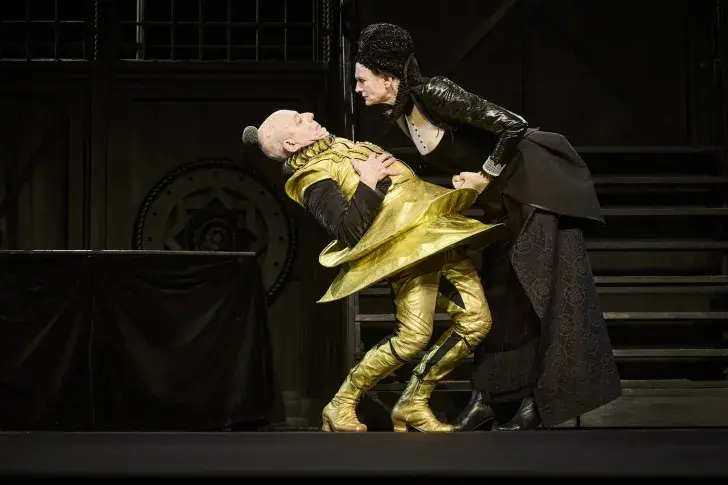
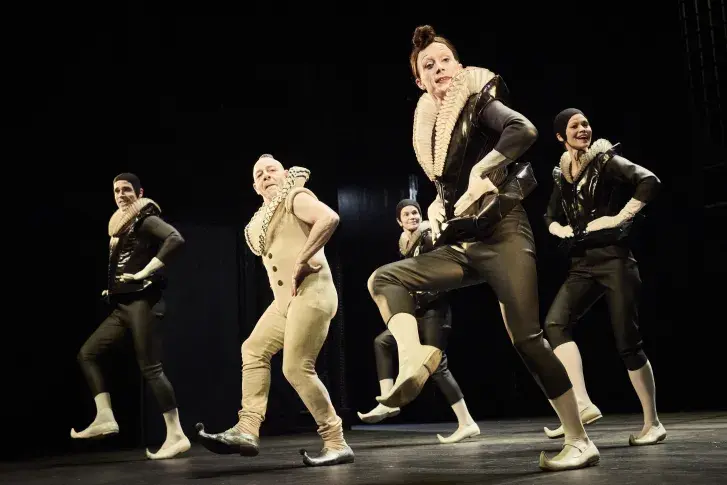
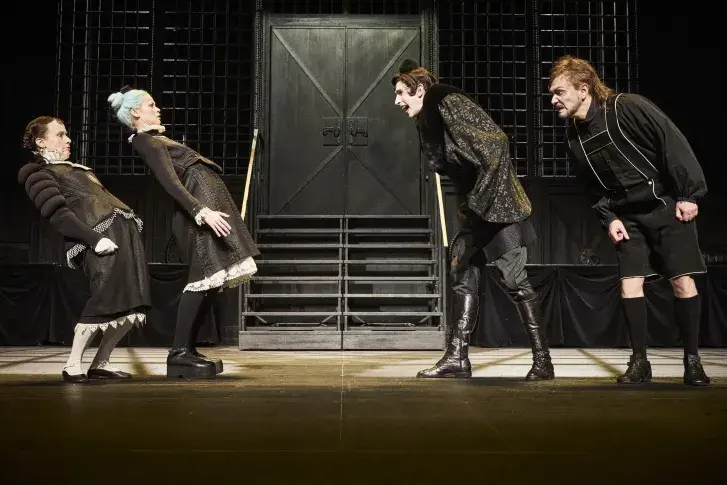
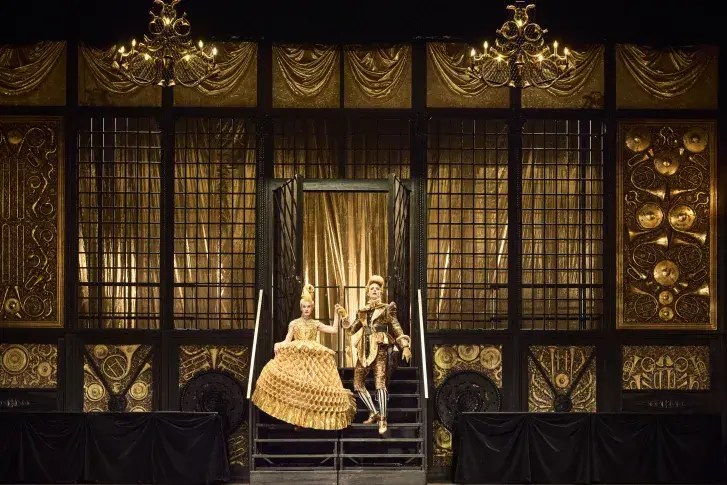
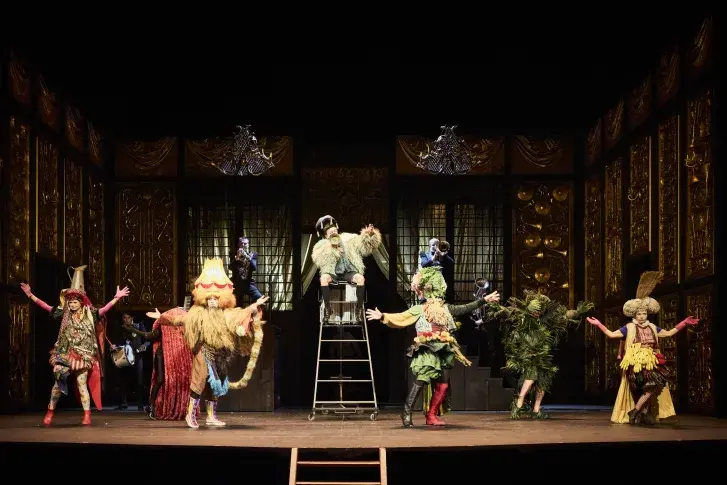
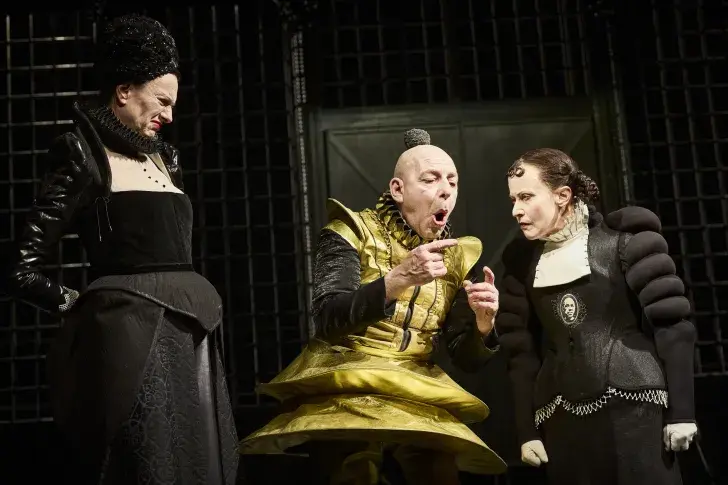
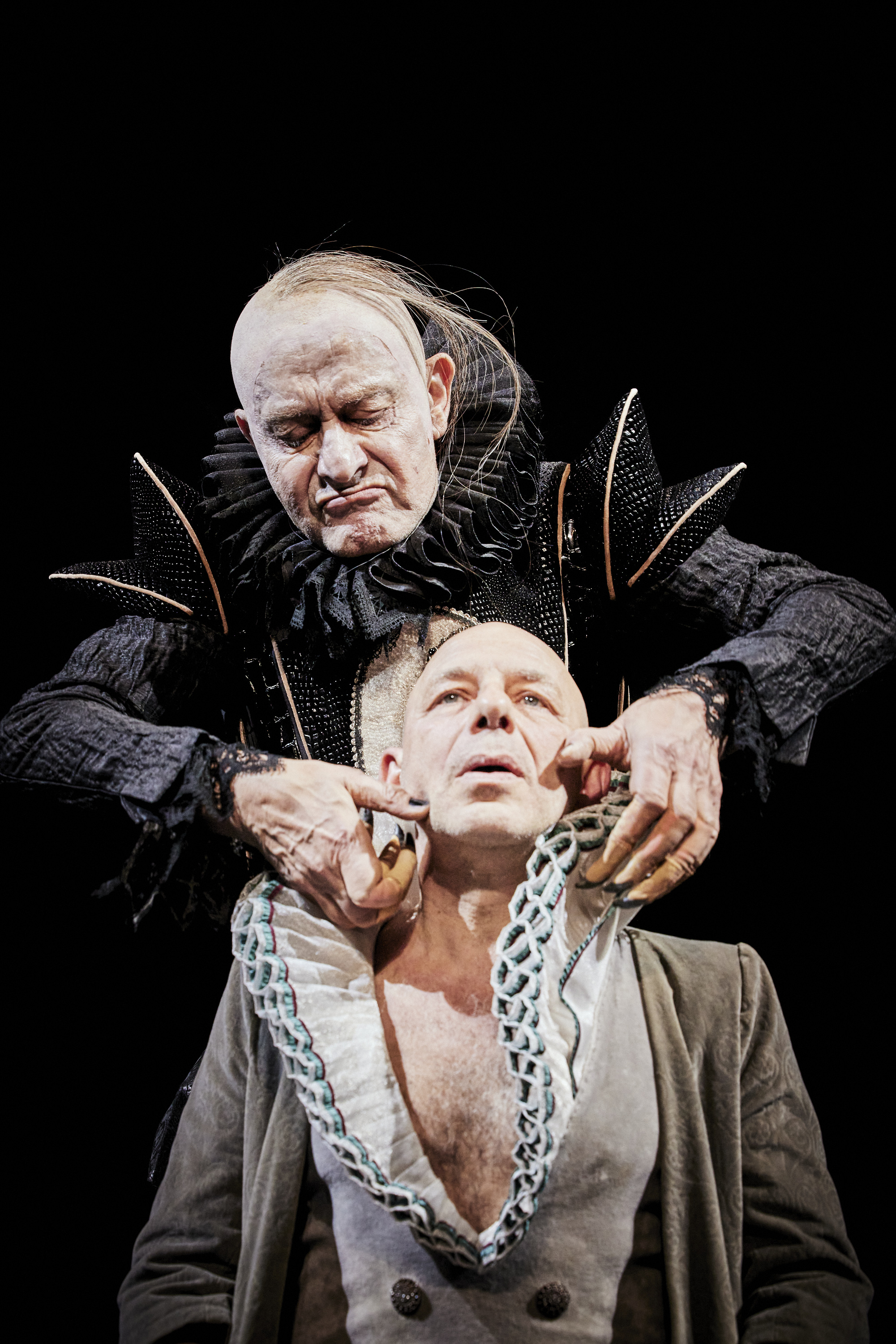
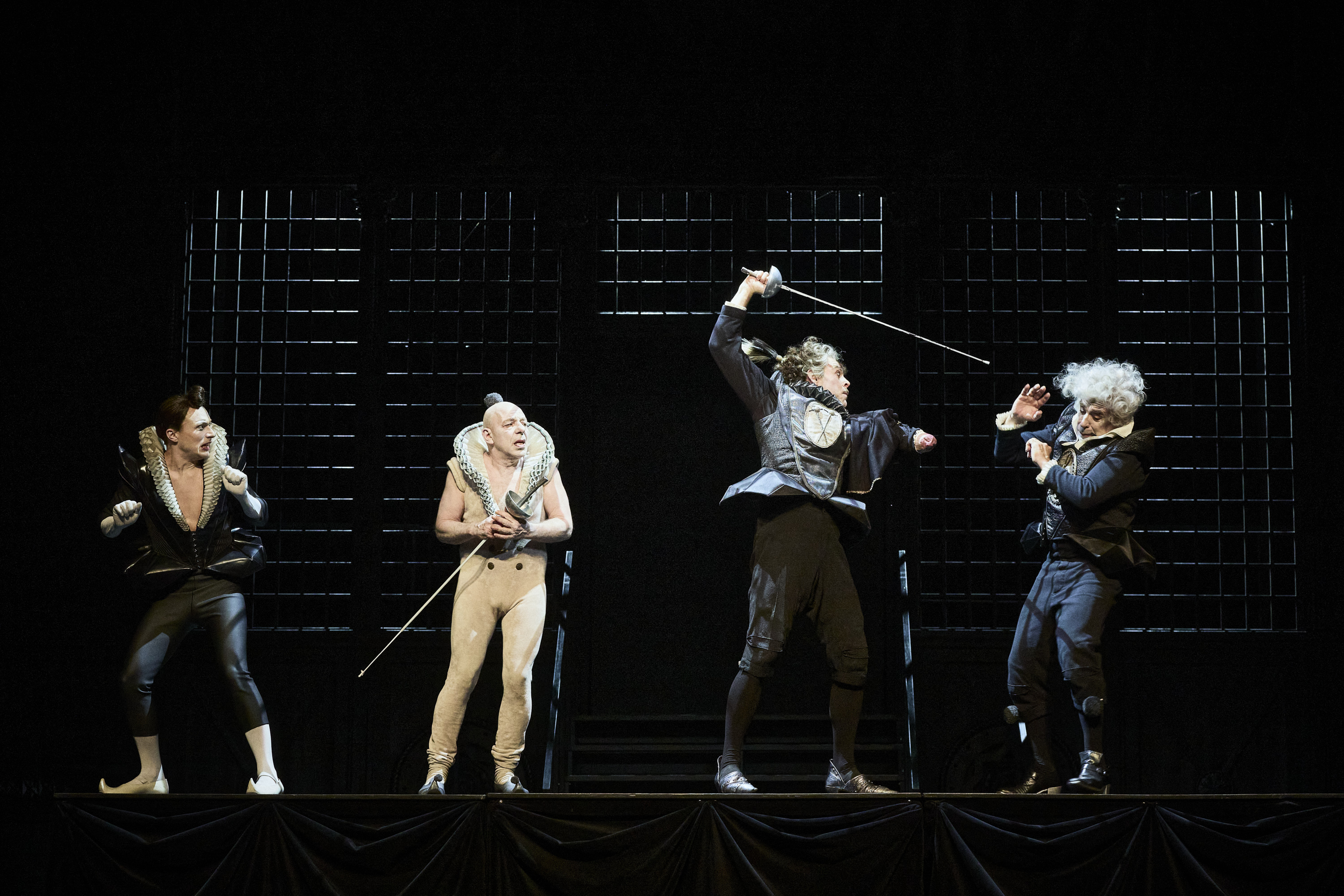
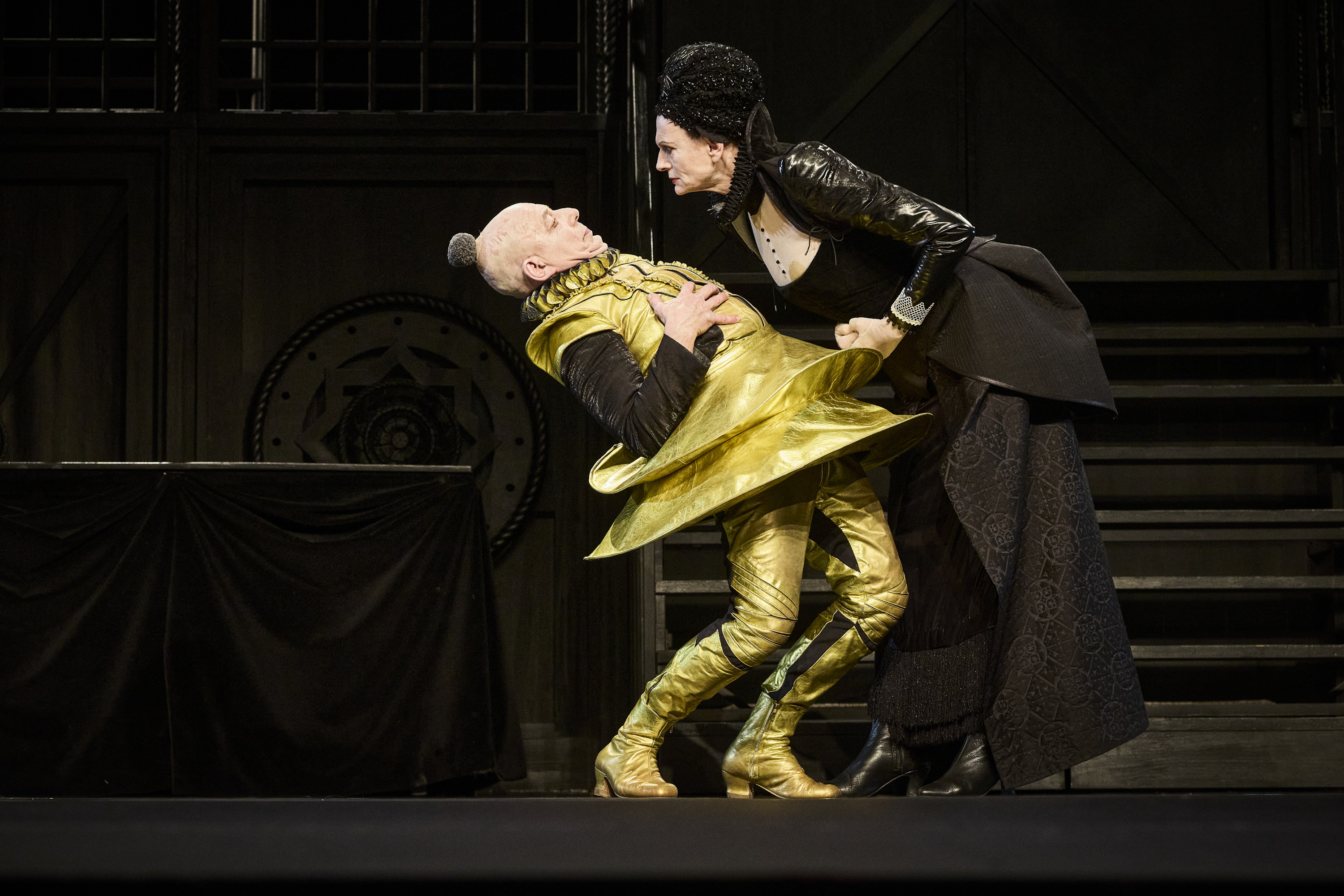
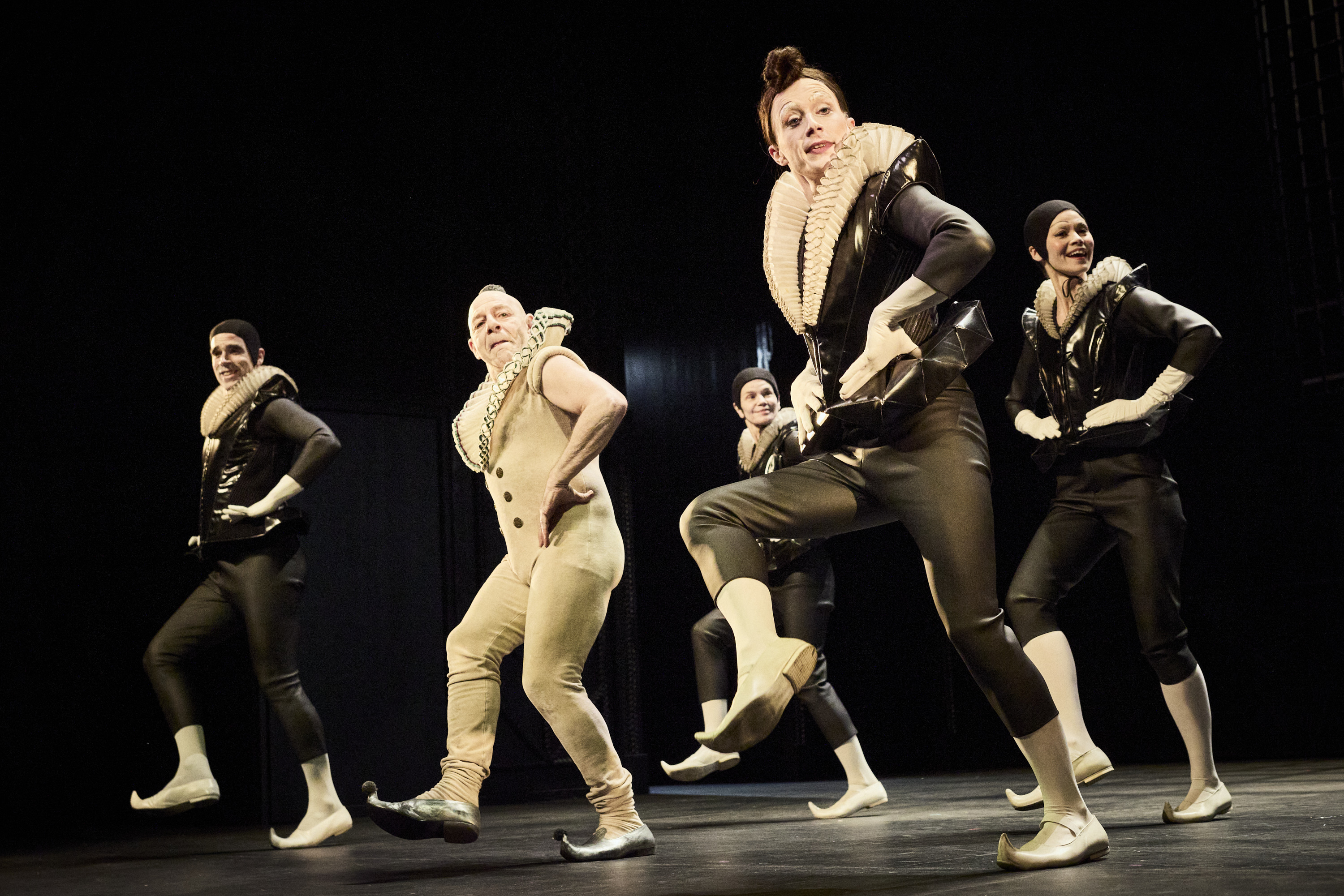
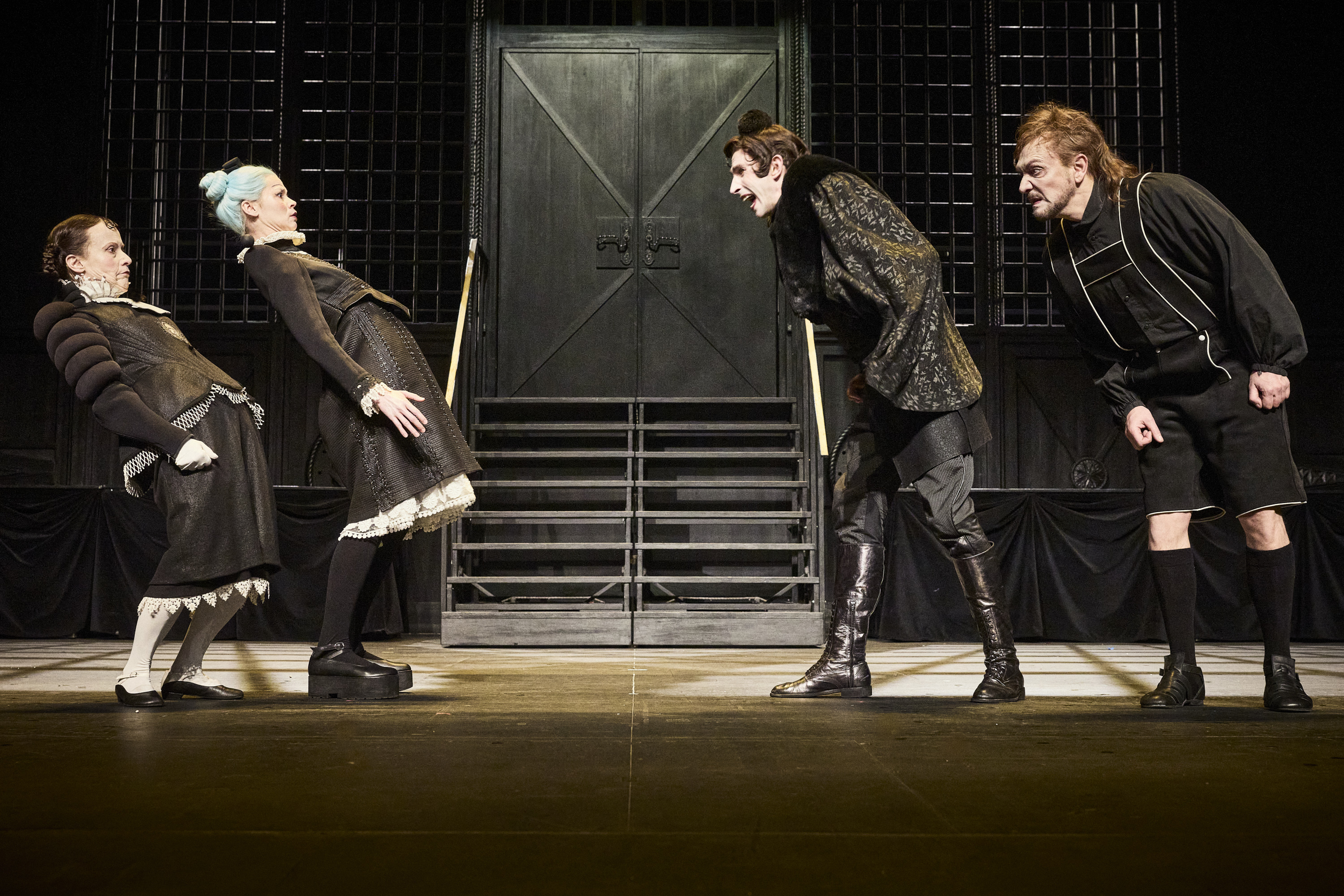
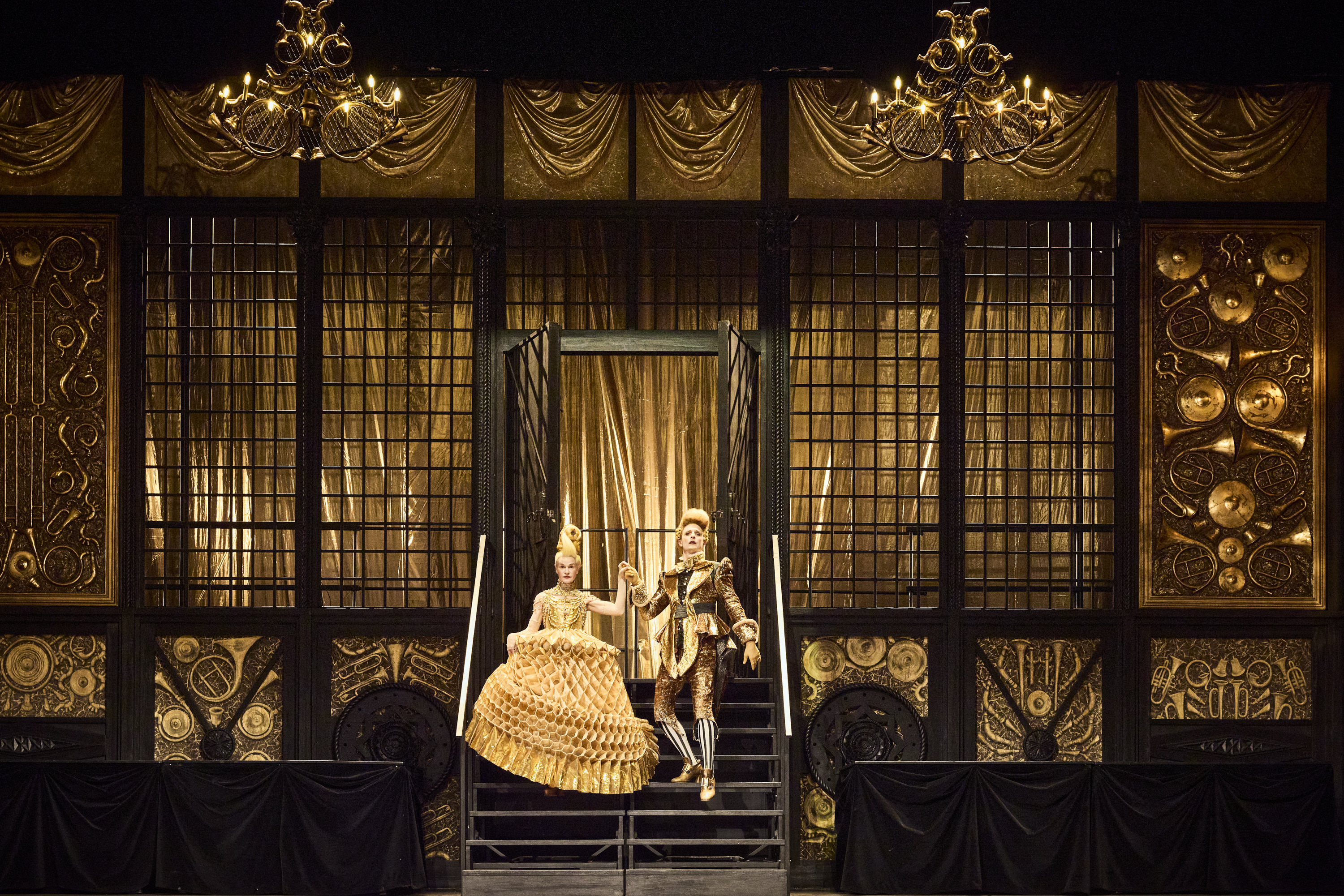
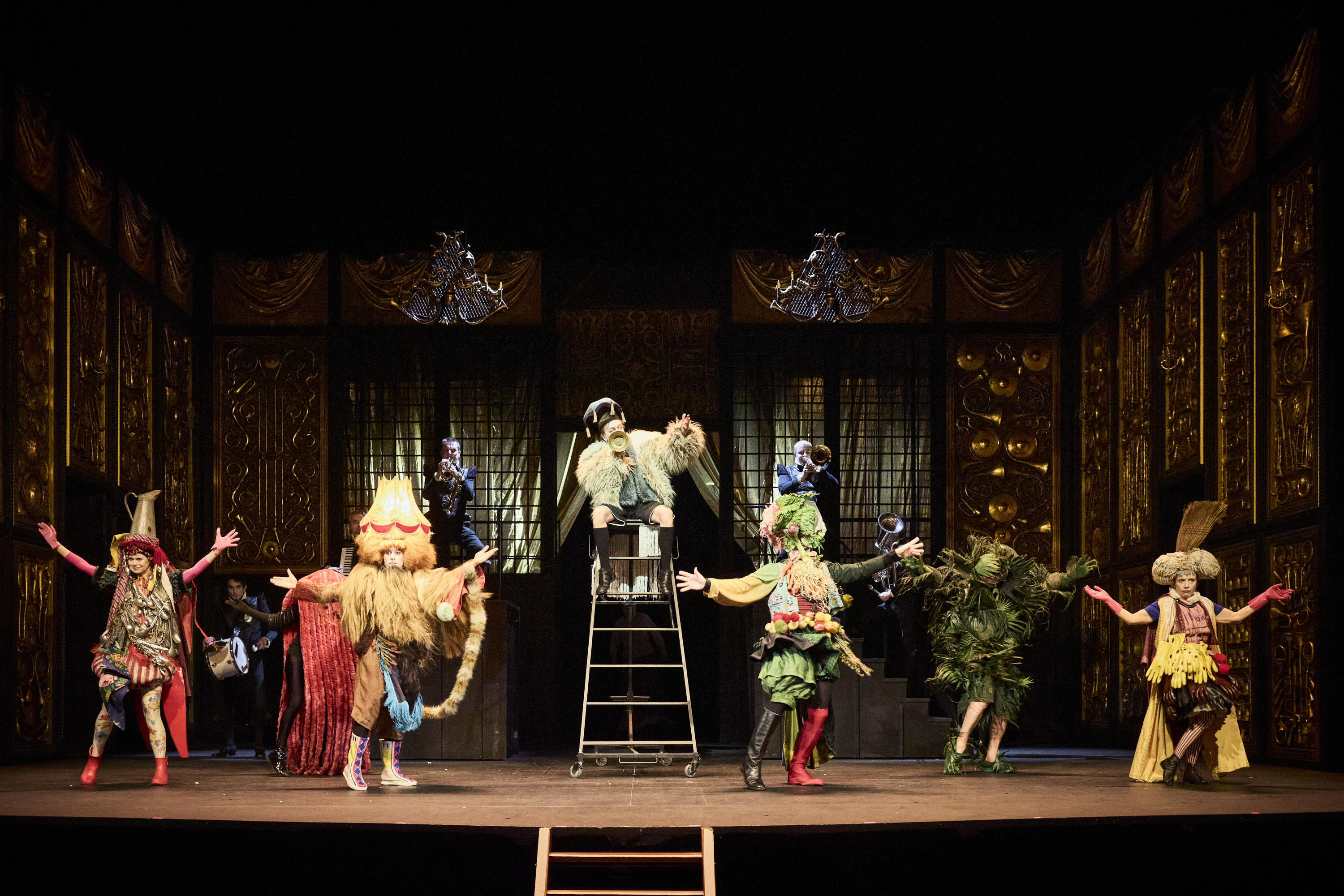
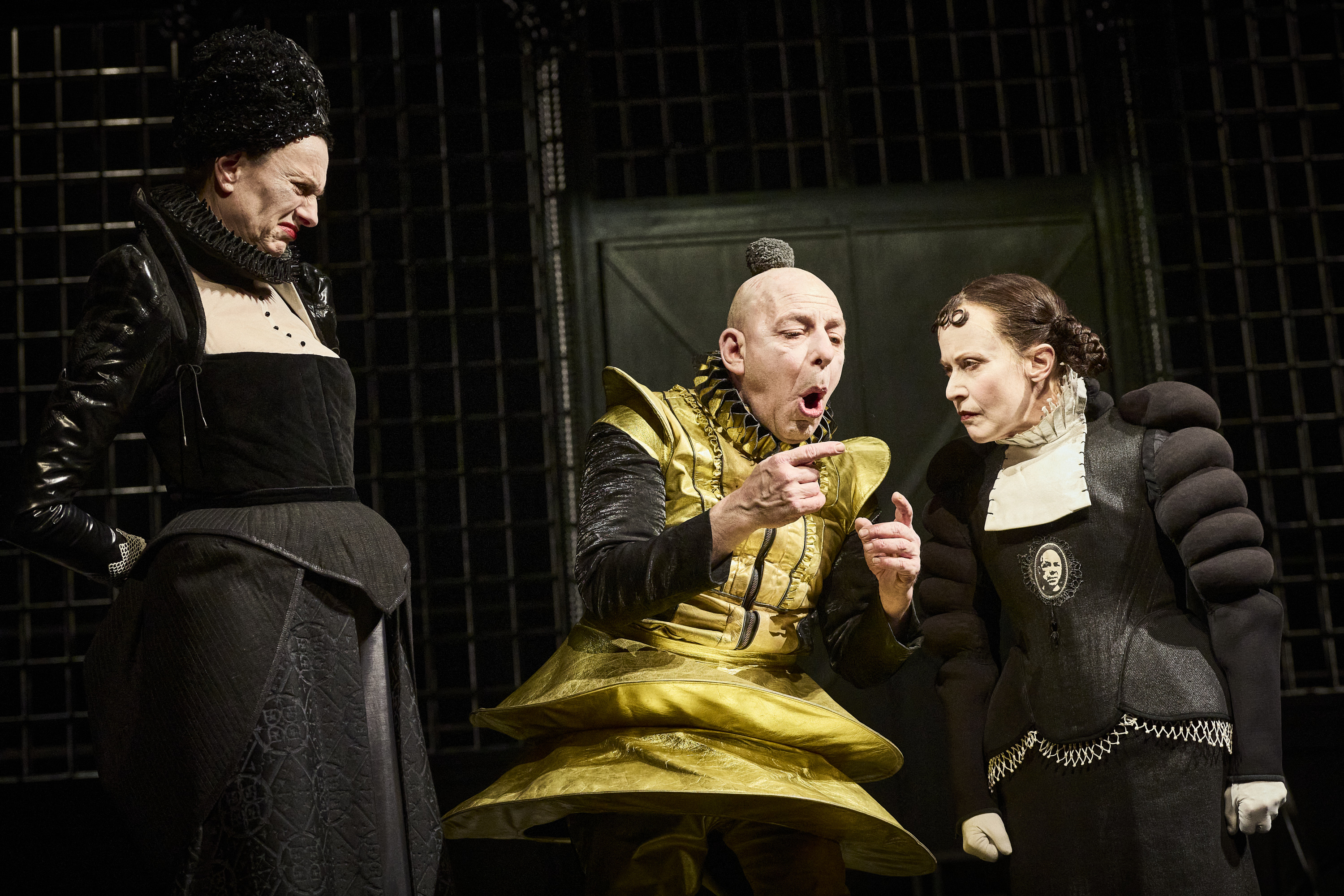
Les « turqueries » sont à la mode en 1670 quand Molière écrit cette comédie pour l’une des opulentes fêtes royales. Il excelle autant dans la représentation de cet exotisme, alors au goût du jour, que dans la caricature du bourgeois rompu à l’apprentissage des bonnes manières propres aux « gens de qualité ». Ici, le plateau entier est rendu à l’esprit fantasque de cet homme qui s’exerce avec piètre adresse à la danse et à l’escrime, s’initie à la philosophie avec la curiosité d’un enfant. Premières à le brocarder, son épouse et sa servante s’opposent à son surcroît d’autorité, surtout quand il refuse de donner la main de sa fille à Cléonte parce qu’il n’est pas gentilhomme. La raillerie est à son comble grâce à la ruse du valet qui introduit chez lui l’amoureux déguisé « en grand Turc », offrant un final d’anthologie avec la scène du Mamamouchi.
Valérie Lesort et Christian Hecq se délectent de tout ce qui nourrit l’excentricité de ce Monsieur Jourdain frénétiquement attiré par les ors royaux : « il est d’une naïveté sans bornes et cette naïveté nous touche particulièrement, confient-ils. Comme beaucoup d’artistes, nous travaillons avec l’enfance et Molière fait de son Bourgeois un enfant qui “veut jouer à”. » La poésie comme la folie de l’imaginaire gardées du jeune âge se retrouvent à chaque endroit de ce spectacle pour petits et grands.Spectacle créé Salle Richelieu le 18 juin 2021
Avec Molière, le répertoire n’est pas restreint au théâtre parlé. Dans la comédie-ballet Le Bourgeois gentilhomme jouée pour la première fois en 1670 devant la cour au château de Chambord, le théâtre fusionne avec la danse et la musique composée par Jean-Baptiste Lully. Après sa création (1680), la Comédie-Française continue de la représenter avec ses intermèdes chantés et dansés, servie par des comédiens aux talents multiples, allant au XVIIIe siècle, jusqu’à désigner dans la troupe des comédiens responsables des ballets. Parce que le plaisir des spectateurs n’a pas de prix, les dépenses afférentes aux comédies-ballets et autres comédies plaisantes en vogue s’achevant sur des divertissements, atteignent des sommets et nécessitent la création officielle d’un poste de maître de ballet qui sera supprimé, en raison de son coût, en 1799 après les derniers feux des pièces à agréments pendant la Révolution.
L’Opéra et la Comédie-Française se mettent alors à collaborer plus fréquemment au XIXe siècle, ce dont profitent notamment les comédies-ballets de Molière alors les plus jouées (Le Malade imaginaire et Le Bourgeois gentilhomme). C’est surtout à partir de 1948 qu’elles bénéficient de mises en scène fastueuses, notamment Le Bourgeois gentilhomme monté en 1951 dans un décor précieusement conservé puis à l’occasion de deux tricentenaires, ceux de la mort de Molière (1973) et de la fondation de la Comédie-Française (1980).
L’imbrication du théâtre avec la danse et/ou l’opéra initiée par Molière connait, depuis le milieu du XXe siècle, un aboutissement protéiforme sur la scène du Français, avec l’entrée au Répertoire du vaudevilliste Feydeau et du satiriste Brecht (L’Opéra de quat’sous), la production de spectacles chorégraphiques inédits (Signature, L’Autre), de cabarets (depuis 2008) ou de spectacles reconstituant une séance d’enregistrement (Comme une pierre qui...). La dernière mise en scène du Bourgeois gentilhomme au Français date de 2000.
- Bourgeois gentilhomme, 1986, © photo. Claude Gafner / Coll. Comédie-Française
-
Mise en scène : Valérie Lesort et Christian Hecq
Scénographie : Éric Ruf
Costumes : Vanessa Sannino
Lumières : Pascal Laajili
Musiques originales et arrangements : Mich Ochowiak et Ivica Bogdanić
Travail chorégraphique : Rémi Boissy
Marionnettes : Carole Allemand et Valérie Lesort
Assistanat à la mise en scène : Florimond Plantier
Assistanat à la scénographie : Julie Camus
Assistanat aux costumes : Claire Fayel


Casting
-
 Cléonte, amoureux de Lucile ; Musicien, percussions et manipulation de marionnettesMaître à danser et Maître tailleur
 -
-
les musiciens et le danseur :
Ivica Bogdanić : Musicien, accordéon, percussions
Rémi Boissy : Danseur ; Garçon tailleur et manipulation de marionnettes
Julien Oury : Musicien, trombone, tuba
Alon Peylet : Musicien, trombone, trompette, tuba
Victor Rahola : Musicien, hélicon
Martin Saccardy : Musicien, trompette