
Discover the play
-
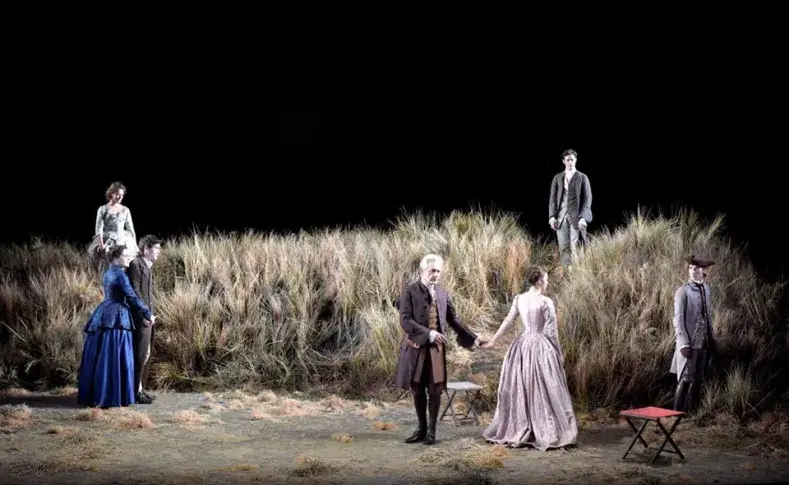
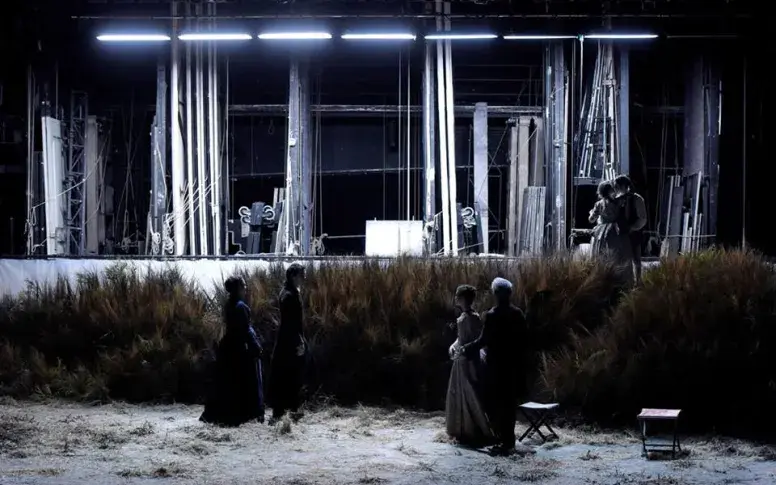
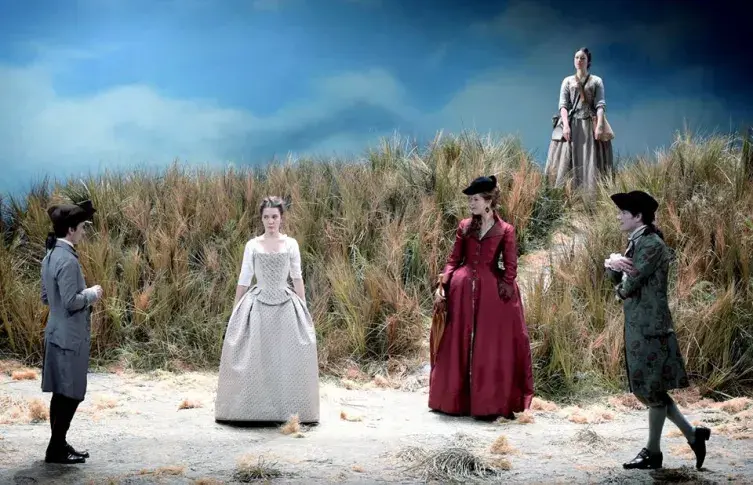
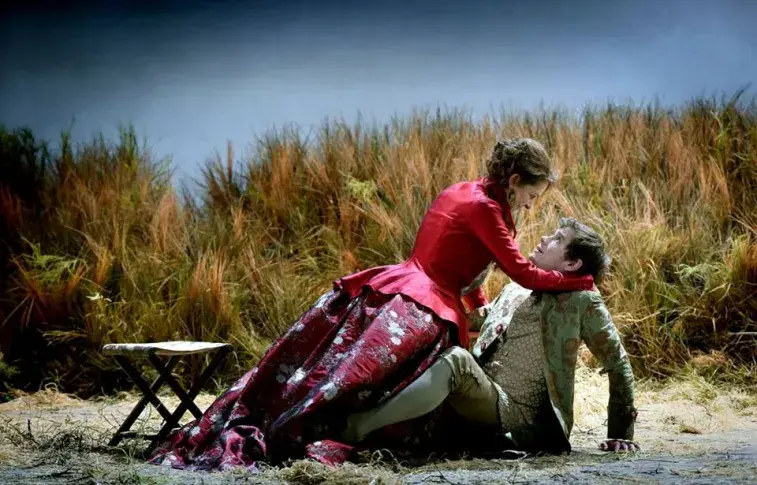
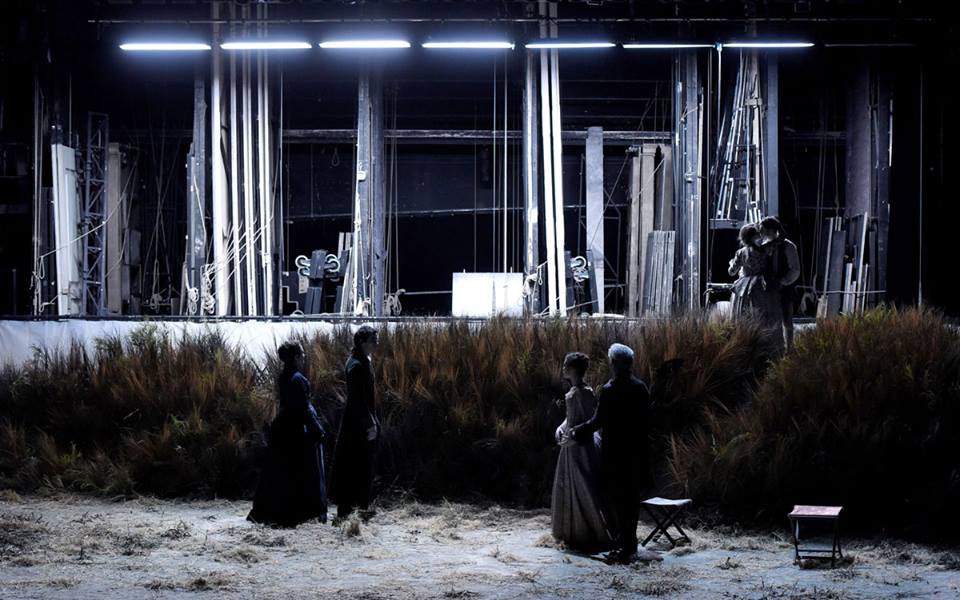
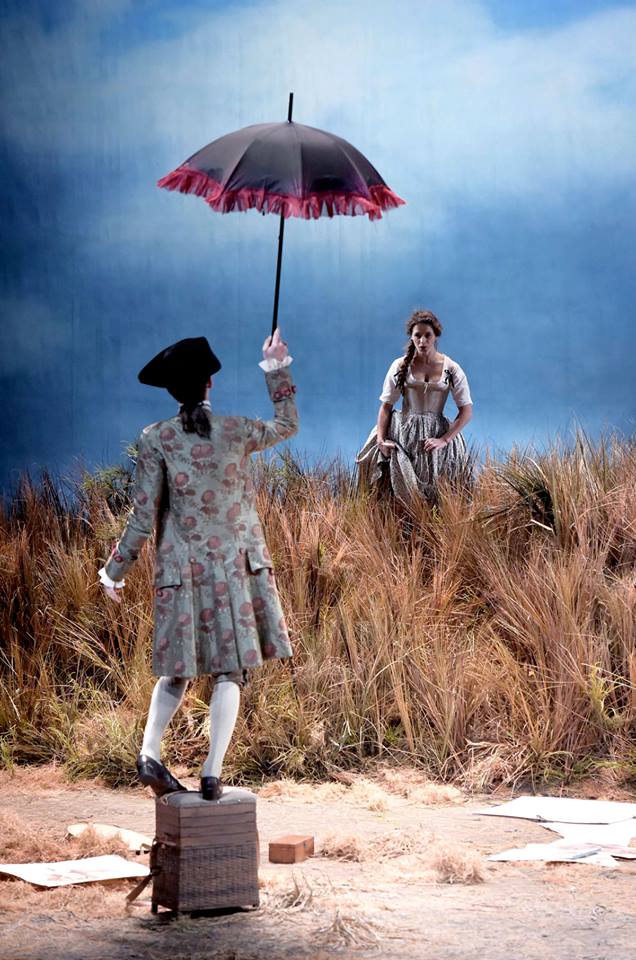
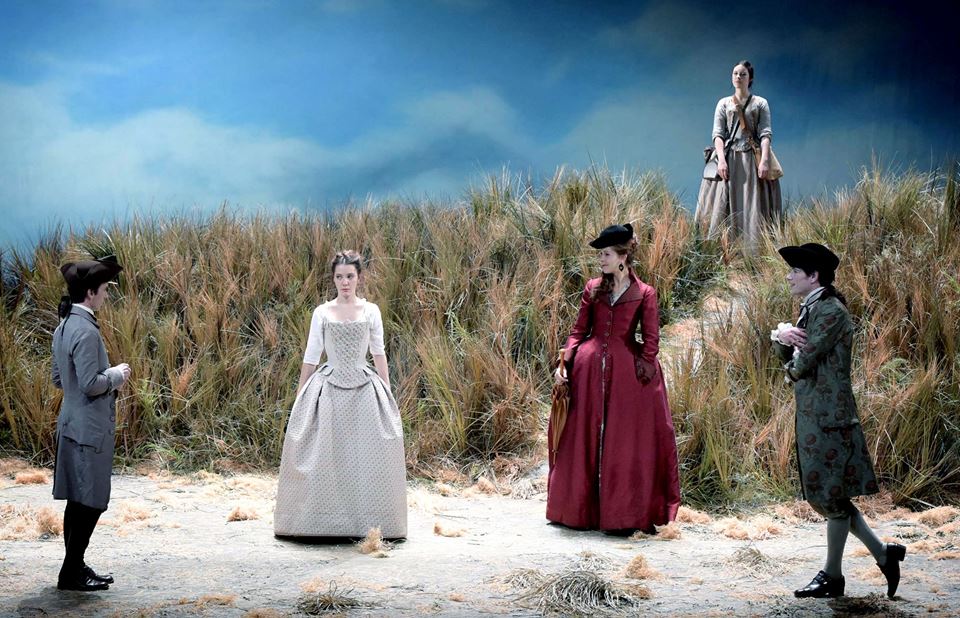
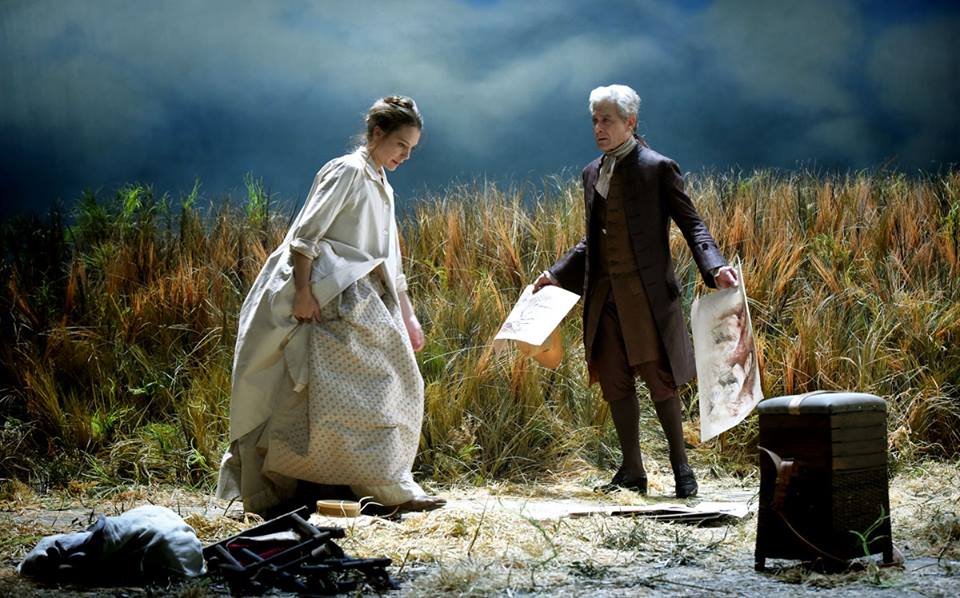
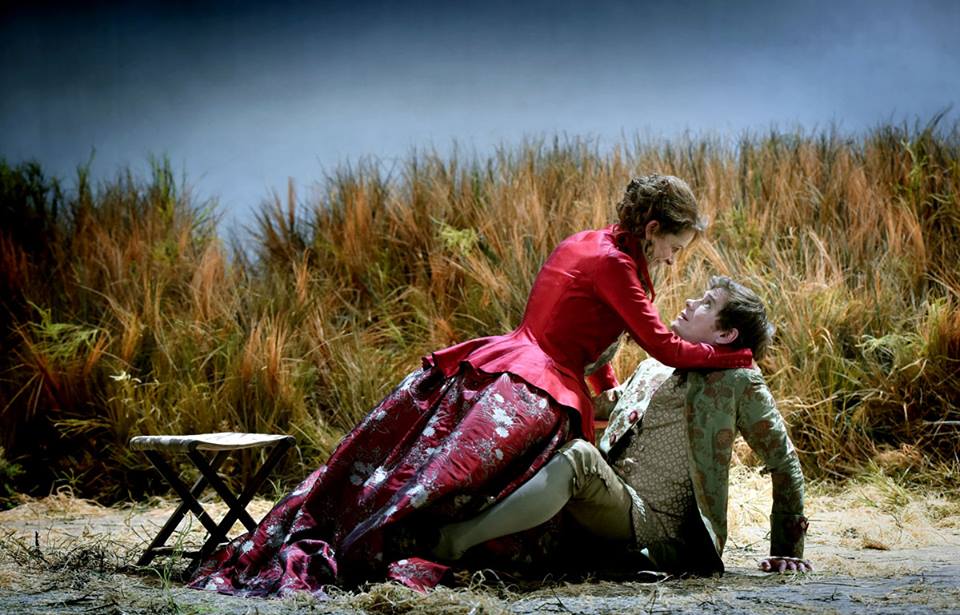
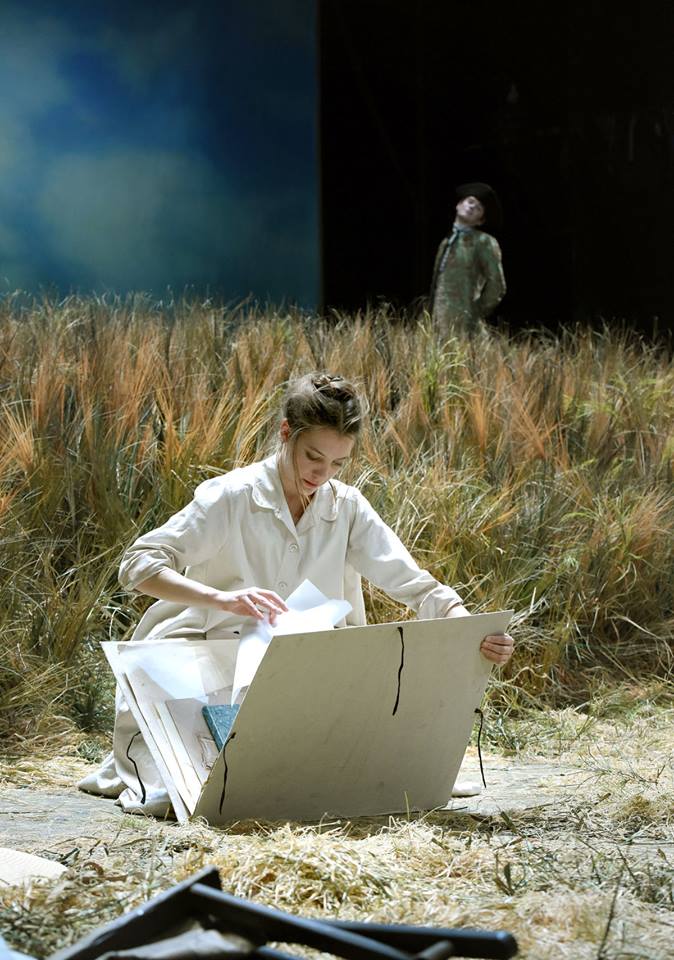
Reconnu pour l’acuité de ses mises en scène du Répertoire auquel il est très attaché, Clément Hervieu-Léger, met ici le XVIIIe siècle en résonance avec notre époque, d’autant que la langue y est « plus simple que dans d’autres pièces de Marivaux, toujours aussi fine, juste et pleine d’humour ». Il relève ainsi, à travers cette pièce que l’on n’avait plus vue à la Comédie-Française depuis sa création en 1734, l’atemporalité d’un théâtre qui « nous parle de nous, intimement ».
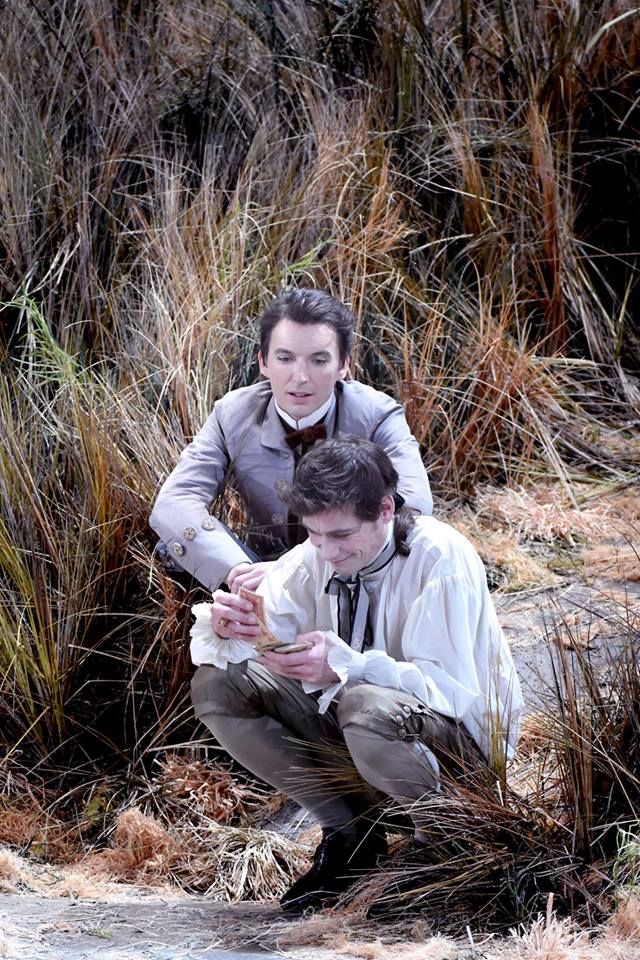
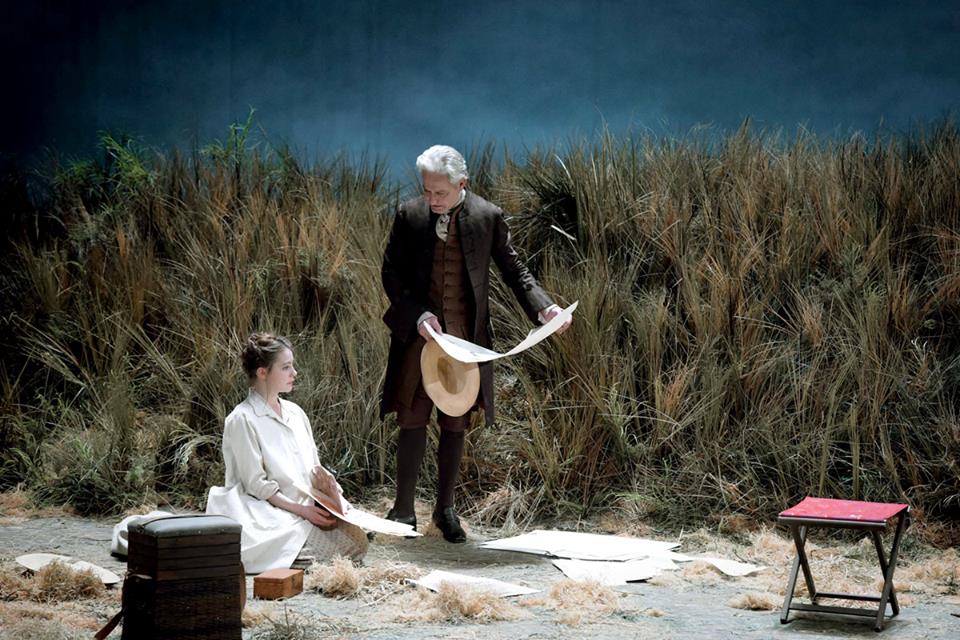
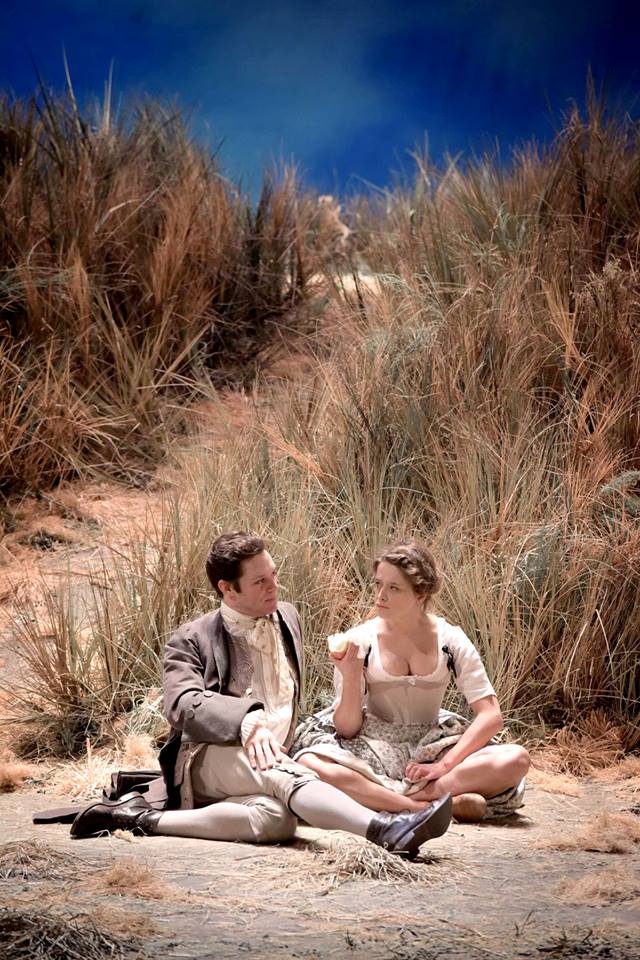
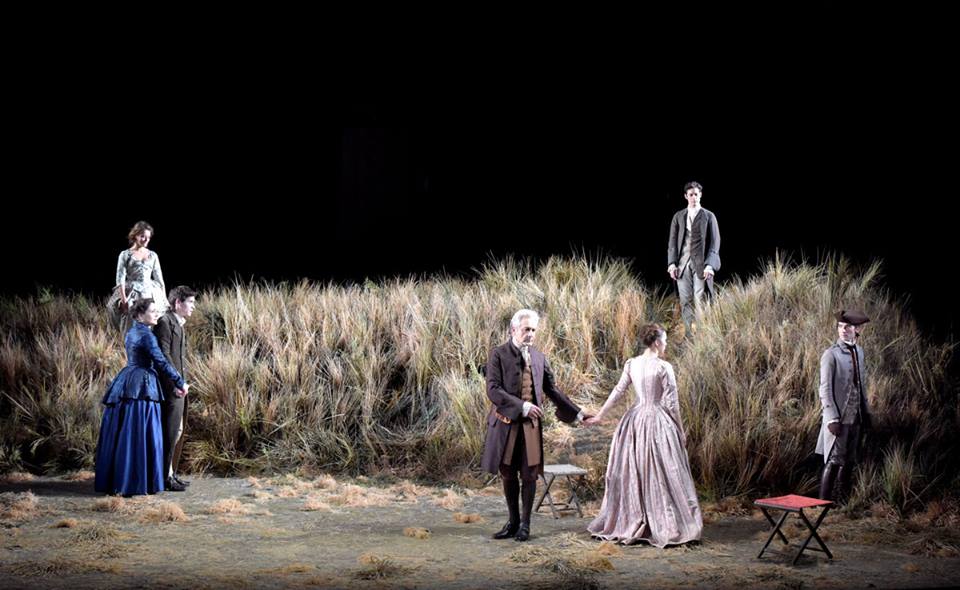
L’histoire est celle d’un jeune Parisien à qui ses parents ont trouvé un bon parti, fille de comte. Mais à son arrivée chez eux en province, le beau garçon – dont les codes parisiens sont à mille lieues des règles de bienséance en vigueur céans – ne saurait ouvrir son cœur à la charmante personne qui lui est destinée. Piquée, cette dernière décide de le corriger de son arrogance tandis qu’une ancienne amante fait le voyage pour empêcher le mariage. Alliance du maître et du valet, complicité de la maîtresse et de la servante, ce chassé-croisé amoureux s’emballe entre conspirations badines et ébullition des sentiments.Spectacles en audiodescription pour les spectateurs aveugles et malvoyants :
- dimanche 21 janvier à 14h
- mercredi 7 février à 20h30Spectacles avec surtitrage adapté en français pour les spectateurs sourds et malentendants :
- dimanche 21 janvier à 14h
- jeudi 15 février à 20h30Afin de permettre au plus grand nombre d’assister à la représentation du spectacle, Pathé Live diffusera Le Petit-Maître corrigé en direct de la Salle Richelieu, le jeudi 8 mars 2018 à 20h15, dans plus de 300 salles de cinéma dont 70 salles Gaumont et Pathé.
Des reprises au cinéma sont proposées du 25 mars au 31 mai 2018 dans plus de 400 salles de cinéma.
En savoir plusSi Marivaux est aujourd’hui l’auteur du XVIIIe siècle le plus souvent joué, son style et son originalité ne font pas l’unanimité à son époque. Incompris, il subit de nombreux revers, tant à la Comédie-Française qu’à la Comédie-Italienne, les deux troupes qui alors créent ses pièces.
Après l’échec d’Annibal (1720), sa première tragédie à la Comédie-Française, il abandonne le grand genre et se tourne vers les Italiens, jouant un rôle important pour cette nouvelle troupe qui gagne avec lui un répertoire français de qualité. Mais en 1724, il présente à nouveau une pièce aux Français, intitulée Le Dénouement imprévu, dans le genre mineur des comédies en un acte. Rentrée manquée, qui préfigure une série d’échecs
Dès lors, il propose alternativement des pièces à chacune des deux troupes sans paraître appartenir à aucune, stratégie hasardeuse qui se retourne parfois contre lui. Le Théâtre-Français le considère comme un auteur de second ordre, mais il lui faut ménager le seul théâtre capable de lui offrir la reconnaissance publique, car il brigue l’entrée à l’Académie.
**ITALIEN DE CŒUR**
Sans qu’il ne se soit jamais exprimé directement sur le sujet, les témoignages laissent penser qu’il préfère le jeu des Comédiens-Italiens. D’Alembert oppose la célèbre Adrienne Lecouvreur à l’Italienne Silvia à l’occasion de la création de La Seconde Surprise de l’amour au Français en 1727 : Silvia était devenue « Marivaux lui-même », mais « il n’en était pas ainsi de la célèbre Lecouvreur, qui jouait dans [ses] pièces, au Théâtre-Français, des rôles du même genre […]. On a plusieurs fois ouï-dire à l’auteur que, dans les premières représentations,elle prenait assez bien l’esprit de ces rôles déliés et métaphysiques ; que les applaudissements l’encourageaient à faire encore mieux s’il était possible ; et qu’à force de mieux faire elle devenait précieuse et maniérée. […] Il faut donc, comme le disait très bien Marivaux lui-même, que les acteurs ne paraissent jamais sentir la valeur de ce qu’ils disent, et qu’en même temps les spectateurs la sentent et la démêlent ».
Si les propos attribués à Marivaux sont fidèles, on ne peut douter de la difficulté de ses relations avec les Comédiens-Français, trop imbus de leur talent. Cette indépendance d’esprit lui aura certainement été préjudiciable.**VICTIME DES CABALES**
Marivaux n’est pas le seul auteur à subir les cabales, mais celles dont il est la cible sont particulièrement fréquentes.Pour les déjouer, il fait souvent donner ses pièces sans nom d’auteur, et pour Le Prince travesti en 1724, invente une nouvelle manière de « frauder les droits de la critique », en n’annonçant pas publiquement le jour de la création.
Les plus célèbres ont lieu au Théâtre-Français : celle des Serments indiscrets (1732) est menée par Voltaire, préparant lui-même la création de Zaïre, quelques semaines plus tard. La chute du Petit-Maître corrigé (1734) est probablement menée par Claude Crébillon : « Le Petit-maître, dont vous me demandez des nouvelles, a été traité et reçu comme un chien dans un jeu de quilles. […]Aussi le parterre s’en est-il expliqué en termes très clairs et très bruyants ;et même ceux que la nature n’a pas favorisés du don de pouvoir s’exprimer par ces sons argentins qu’en bon français on nomme sifflets, ceux-là, dis-je, enfilèrent plusieurs clés ensemble dans le cordon de leur canne, puis, les élevant au-dessus de leurs têtes, ils firent un fracas tel qu’on n’aurait pas entendu Dieu tonner » (Correspondance de Mlle de Bar). Malgré les fomenteurs de ces complots, Marivaux sera élu à l’Académie contre Voltaire en 1742.La redécouverte aujourd’hui du Petit-Maître corrigé plus de 280 ans après sa création montre, s’il en était besoin, que les préjugés de départ peuvent être tenaces, même quand il s’agit d’un auteur aussi connu que Marivaux.
-
Mise en scène : Clément Hervieu-Léger
Scénographie : Éric Ruf
Costumes : Caroline de Vivaise
Lumière : Bertrand Couderc
Musique originale : Pascal Sangla
Son : Jean-Luc Ristord
Maquillages et coiffures : David Carvalho Nunes
Collaboration artistique : Frédérique Plain
Assistanat à la scénographie : Dominique Schmitt
Documents
-
Télécharger le PDF (1.86 MB)
Fiche bibliographique Le Petit-Maître corrigé
Sélection de Clément Hervieu-Léger pour le service éducatif -
Télécharger le PDF (1.82 MB)
La pièce en images - Le Petit-Maître corrigé
Parcours historique dans les collections iconographiques autour du Petit-Maître corrigé de Marivaux (saison 2016/2017), et des premières de l'auteur dans le paysage théâtral du XVIIIe siècle. -
 Télécharger le PDF (3.1 MB)
Programme Le Petit-Maître corrigé
Programme du Petit-Maître corrigé de Marivaux.
Mise en scène de Clément Hervieu-Léger, scénographie d'Éric Ruf, Salle Richelieu (saison 2017/2018).