Françoise
Gillard
le 1st November 1997

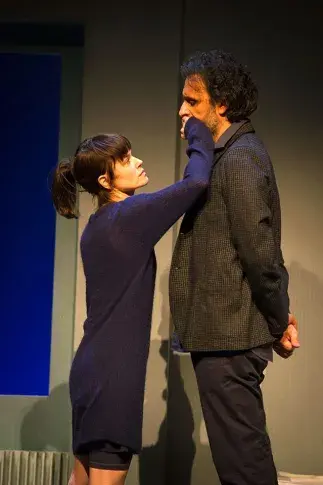
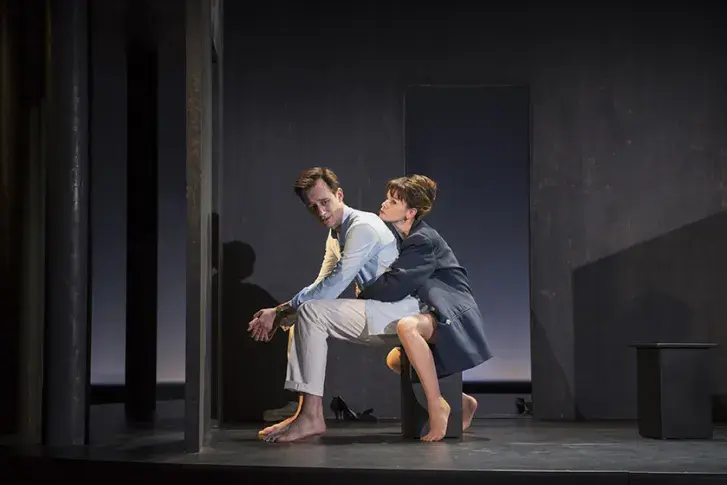
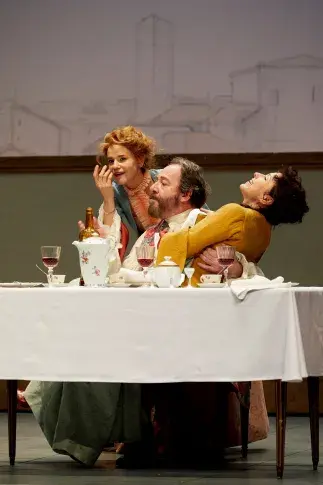
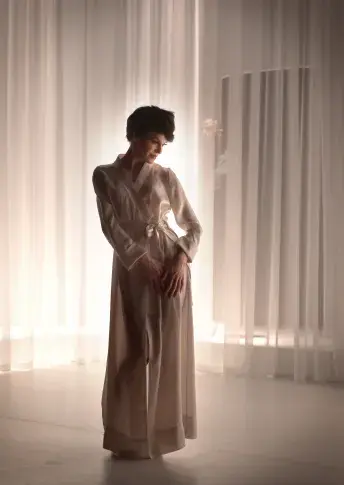
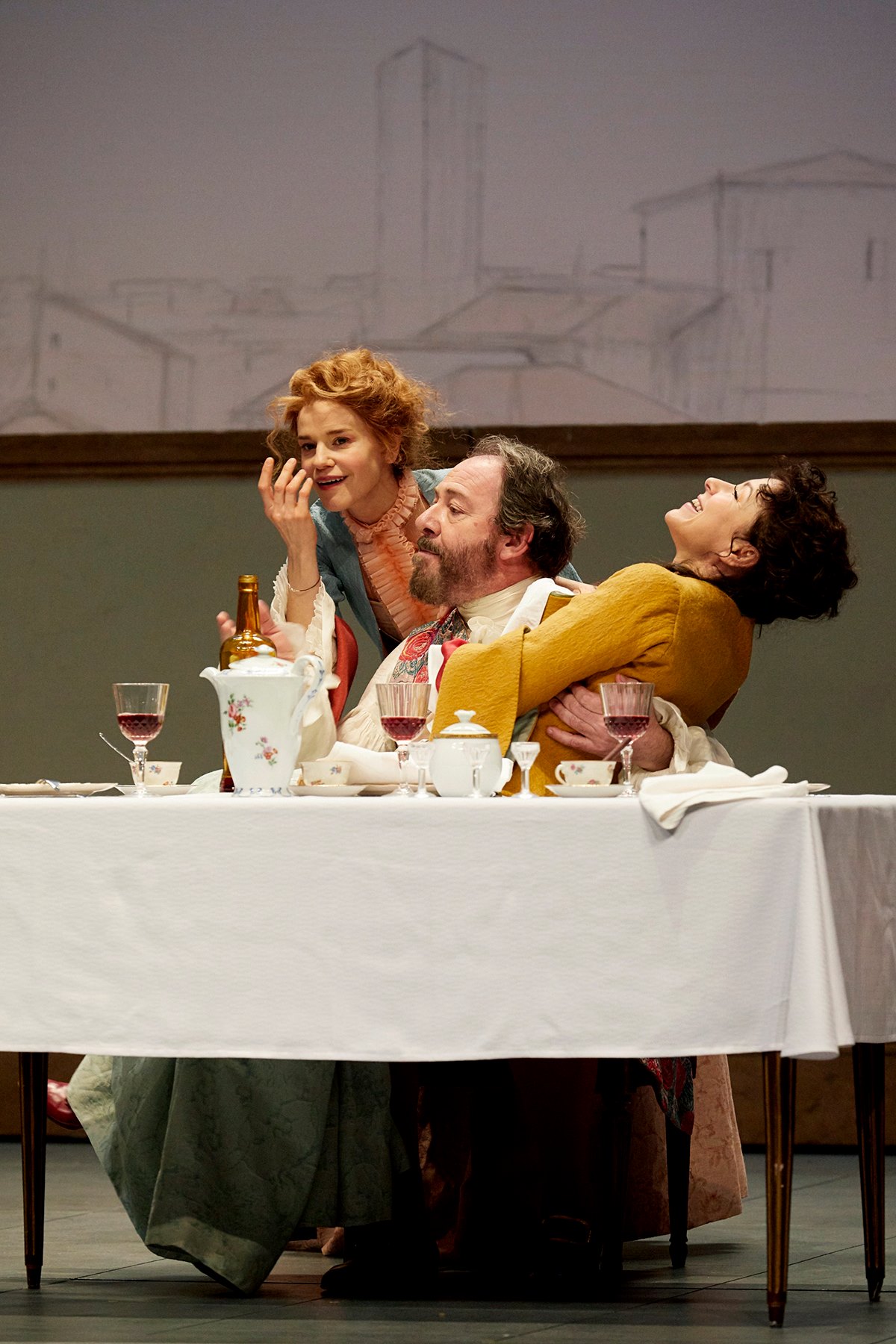
While still training at the Conservatoire royal in Brussels, where she graduated with a First Prize for Interpretation in 1995, Françoise Gillard was cast by the British director Adrian Brine to play in Tom Stoppard’s Arcadia, which he was staging at the Rideau de Bruxelles in 1993. The following year, under the direction of Dominique Haumont, she played Elsbeth in Musset’s Fantasio at the Théâtre des Galeries. She continued with Molière’s The School for Wives (L’École des femmes) by Gérard Vivane and Shakespeare’s Romeo and Juliet by Daniel Schahaise. In 1996, she reunited with Adrian Brine for Oscar Wilde’s An Ideal Husband at the Théâtre Antoine in Paris.
As a pensionnaire of the Comédie-Française, Françoise Gillard made her debut in 1997 in Tom Stoppard’s Arcadia by Philippe Adrien. In 1998, she played Henriette in Molière’s Les Femmes savantes by Simon Eine. Her interpretation of Alarica in Audiberti’s Le mal court directed by Andrzej Seweryn won her the Critics’ Union Best Actress Award, the Suzanne Bianchetti Prize and the SACD (Société des Auteurs et Compositeurs Dramatiques/Society of Dramatic Authors and Composers) in 2001 as well as two nominations for the Molière Award for Best Newcomer in the Theatre in 2001 and 2002. In 2005, Éric Ruf directed her in Et ne va malheurer de mon malheur ta vie, a collage of texts by Robert Garnier.
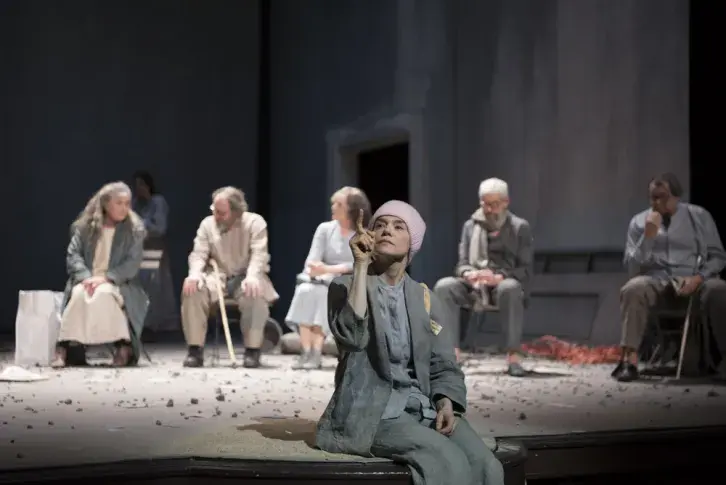
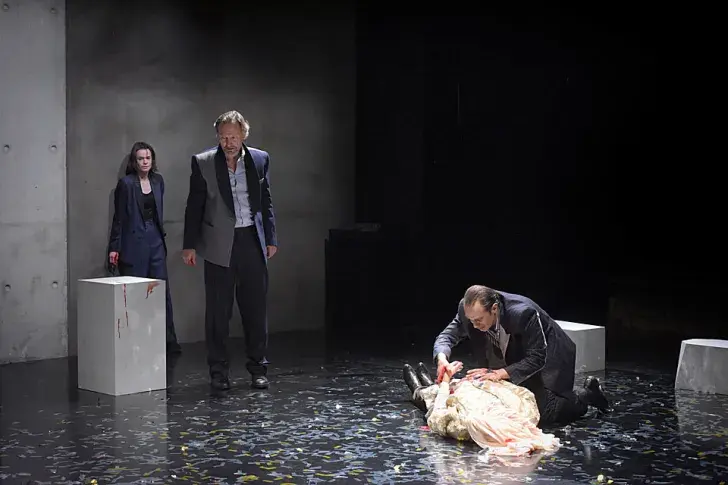
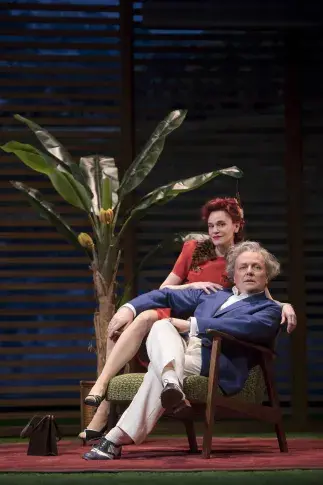
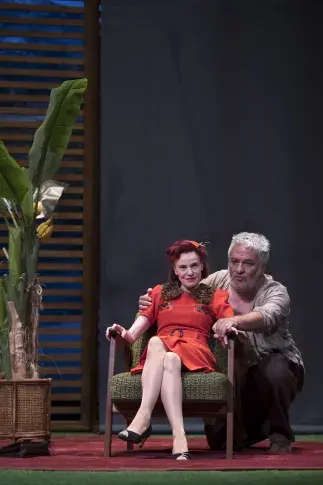
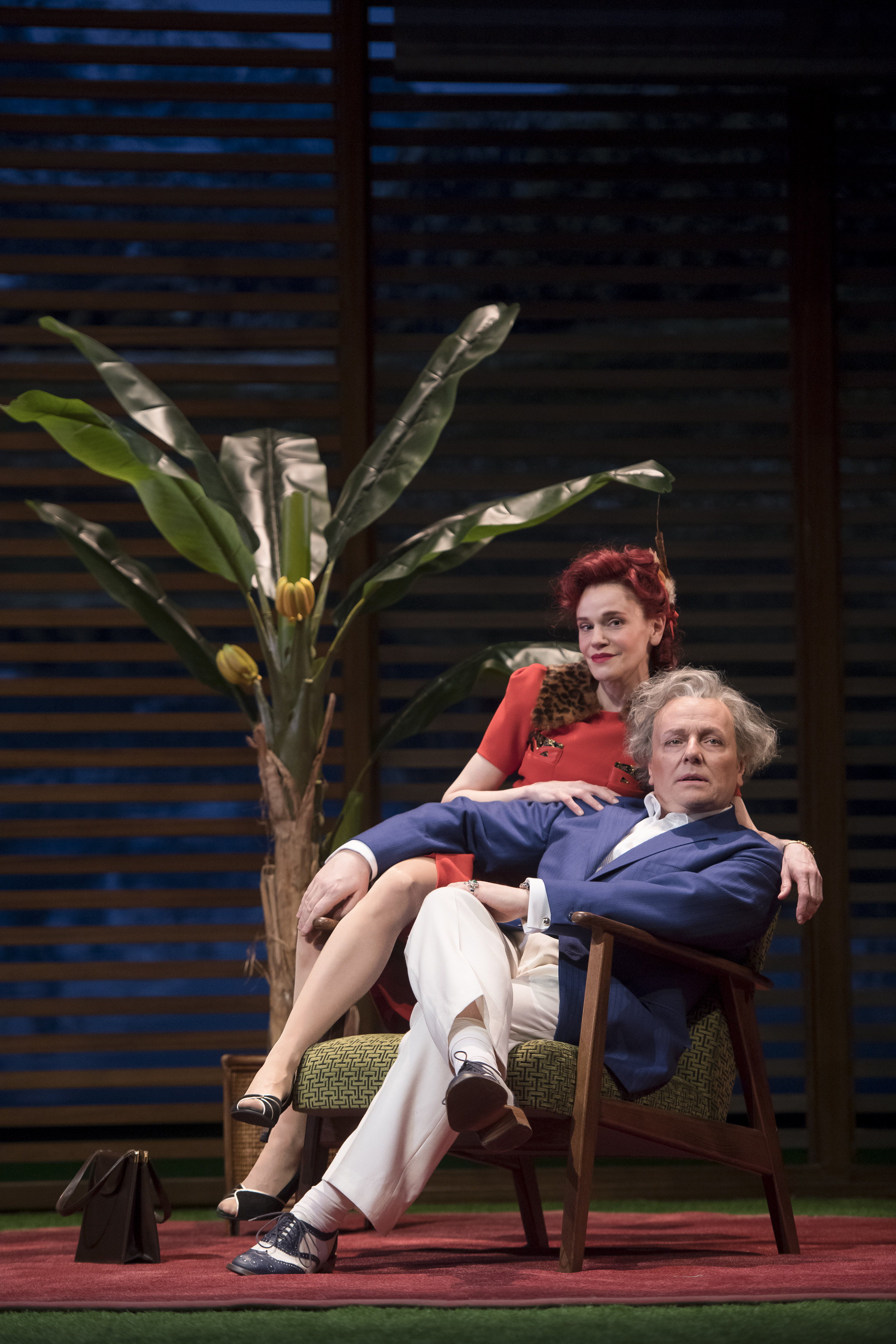
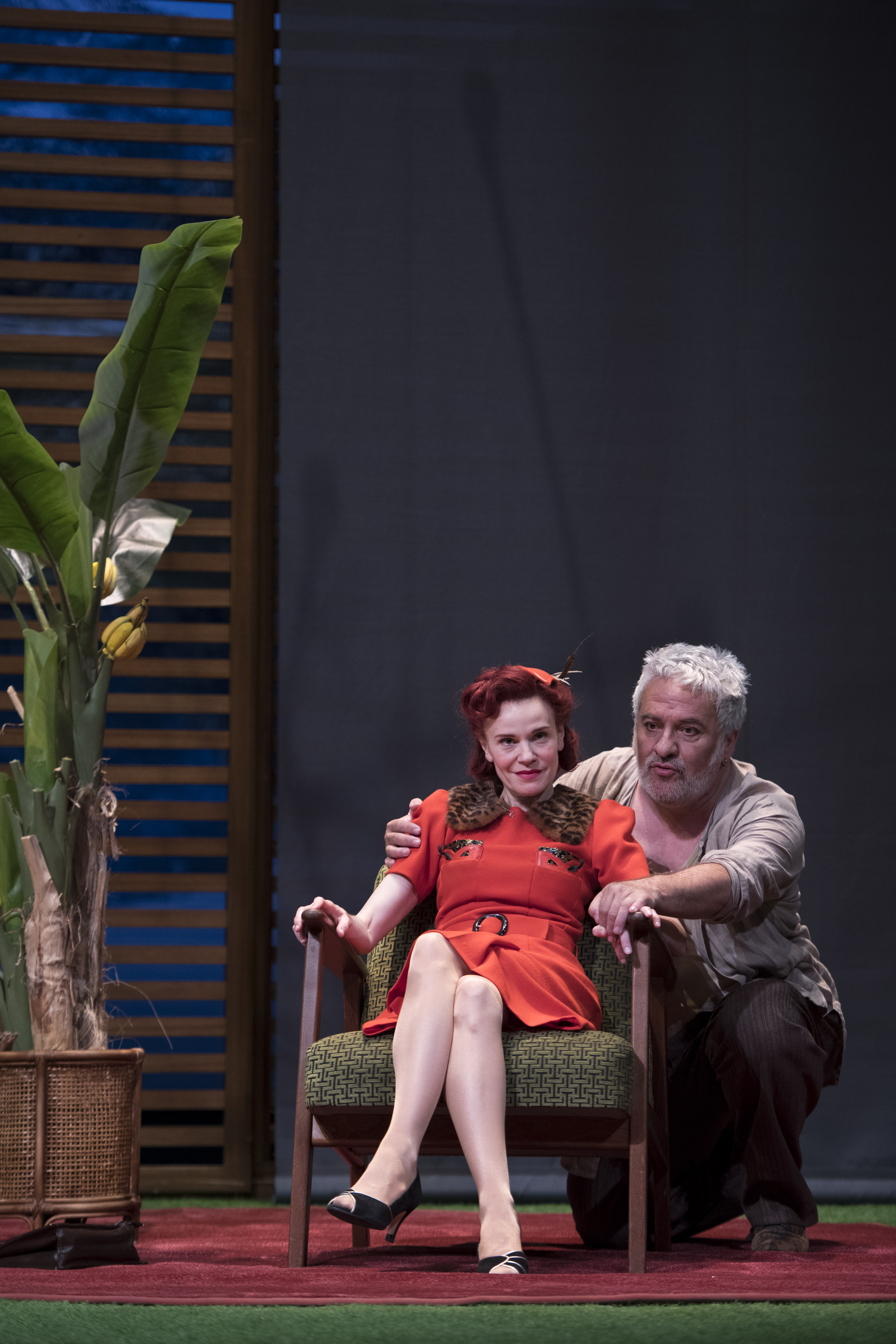
Françoise Gillard has interpreted some of the iconic roles of the repertoire, such as Stella in Tennessee Williams’ A Streetcar Named Desire by Lee Breuer, Cassandra in Seneca’s Agamemnon by Denis Marleau, Roxane in Rostand’s Cyrano de Bergerac by Denis Podalydès, Marguerite in Alfred de Musset’s L’Âne et le ruisseau by Nicolas Lormeau and Sissi in Jean-René Lemoine’s Erzuli Dahomey, Déesse de l’amour by Éric Génovèse. She played the title roles in Molière’s Psyché by Véronique Vella, in Racine’s Esther by Alain Zaepffel and in Anouilh's Antigone by Marc Paquien, for which she received both the 2013 Beaumarchais Best Actress Awards of the Public and that of the Press.
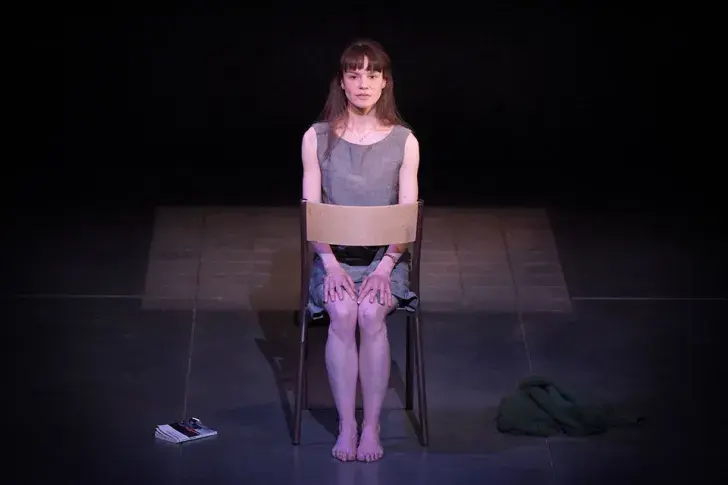
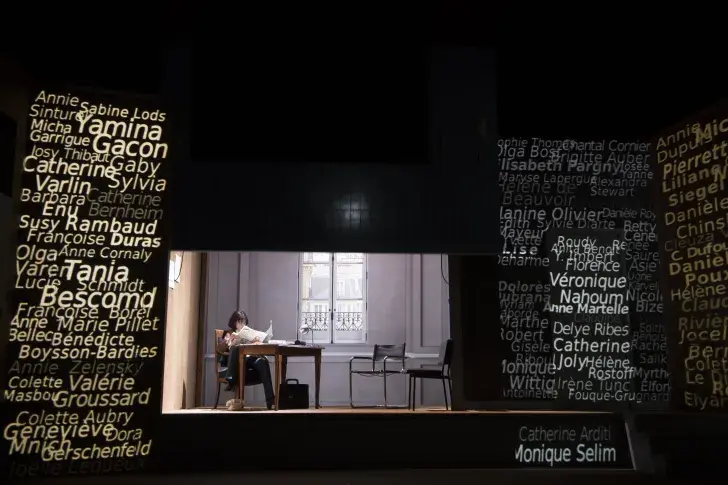
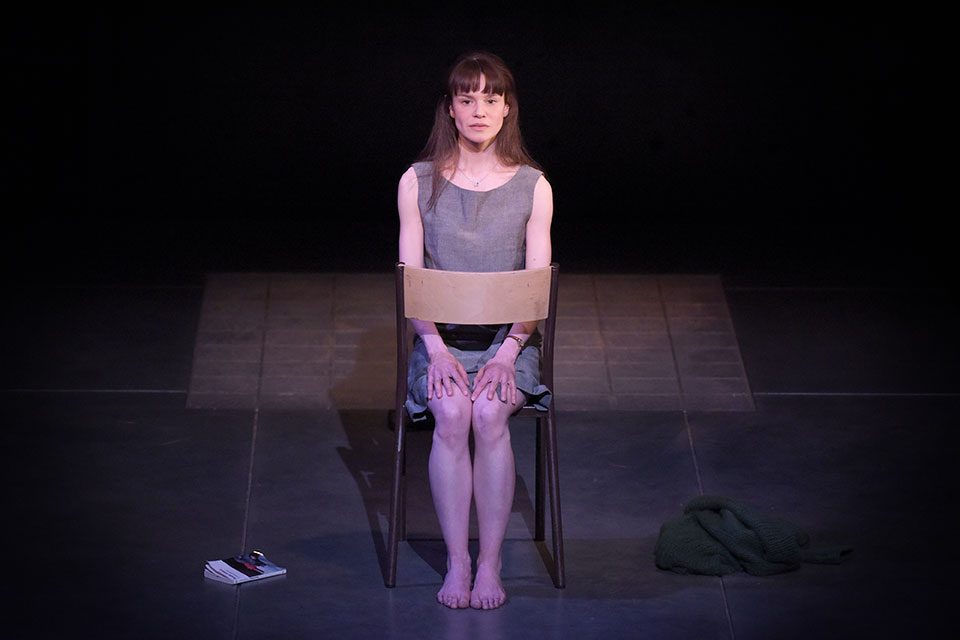
She shines in both classical and contemporary repertoire. Jacques Lassalle cast her as Elvire in Molière's Dom Juan or the Feast with the Statue (Dom Juan ou le Festin de pierre), and later as Sasha in Chekhov’s Platonov or Fatherlessness. Jean-Michel Ribes directed her in Amorphe d’Ottenburg by Jean-Claude Grumberg and Robert Wilson in Fables by La Fontaine. In 2009, she interpreted the role of “Her” in Pur written and directed by Lars Norén, with whom she reunited for Poussière in 2018. She learned sign language in order to play Sarah Norman in Mark Medoff’s Children of a Lesser God under the direction of Anne-Marie Etienne, later taken over at the Théâtre Antoine. For her performance, she was nominated for the 2017 Moliere Award for Best Actress. In 2016, she was The Married Woman in Schnitzler’s La Ronde by Anne Kessler who had previously directed her in Griefs (s) after Strindberg, Ibsen and Bergman in 2006. As part of the 2017 Singulis Programme, she created Annie Ernaux's L’Événement under the mentorship of Denis Podalydès. This play was taken over at the Théâtre Antoine in 2018 as part of its Festival Paroles citoyennes.
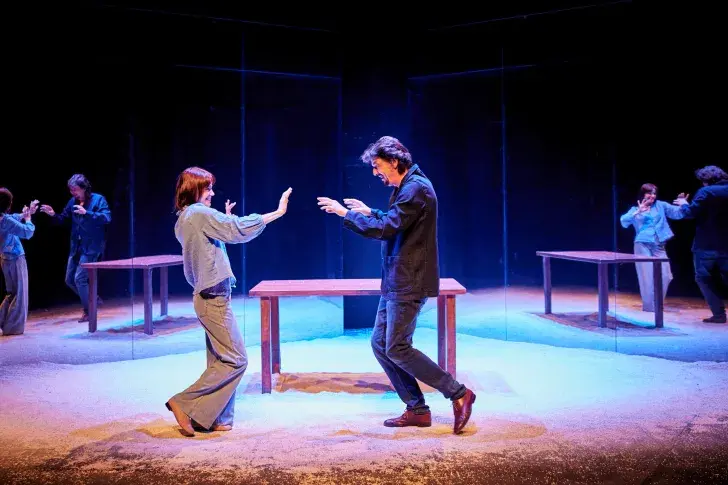
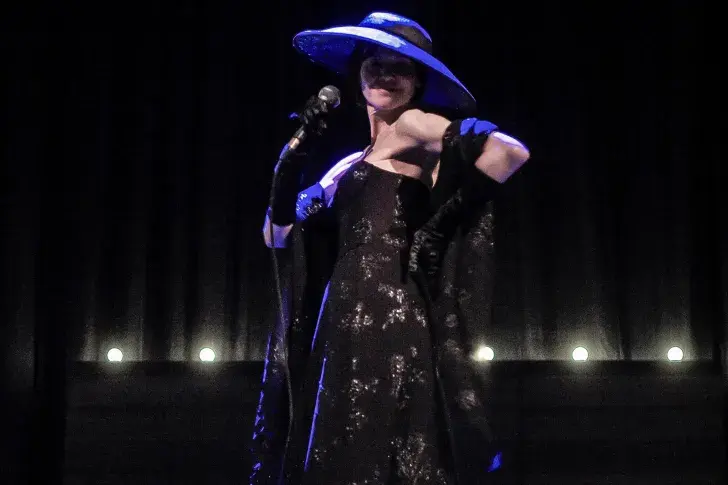
Françoise Gillard has been equally interested in singing and dancing. Together with Claire Richard, she performed Signature in 2010, inspired by the choreographer Sidi Larbi Cherkaoui. In 2015 again with Claire Richard, they appeared in L’Autre, a dance performance presented at the 104 in Paris and later at the Théâtre du Vieux-Colombier. In 2011, she participated in the show Chansons déconseillées, written and directed by Philippe Meyer and in Cabaret Boris Vian by Serge Bagdassarian in 2013.
Outside of the Comédie-Française, she could be seen in movies by Alain Resnais, Emmanuel Bourdieu, Bruno Podalydès or Jeanne Labrune. On television, she worked under the direction of Jean-Daniel Verhaeghe, Alain Tasma and Fred Garçon, among others. Françoise Gillard has also been a regular participant at the “Siestes acoustiques” launched by Bastien Lallemant.
She is Knight of the Order of Arts and Letters (chevalier de l’ordre des Arts et Lettres).
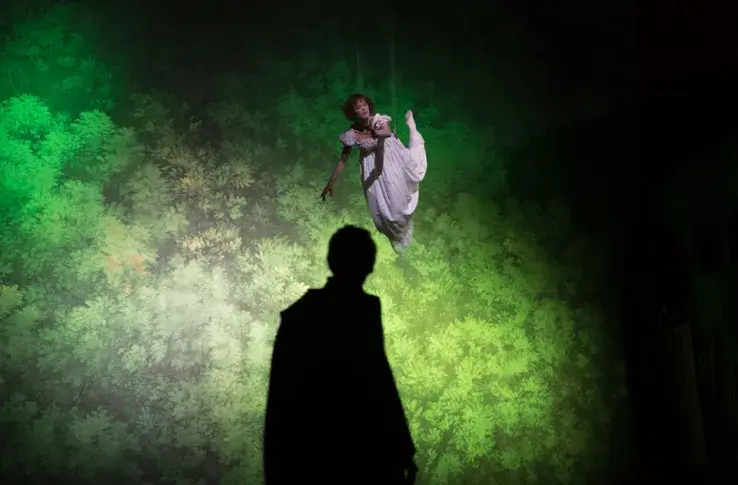
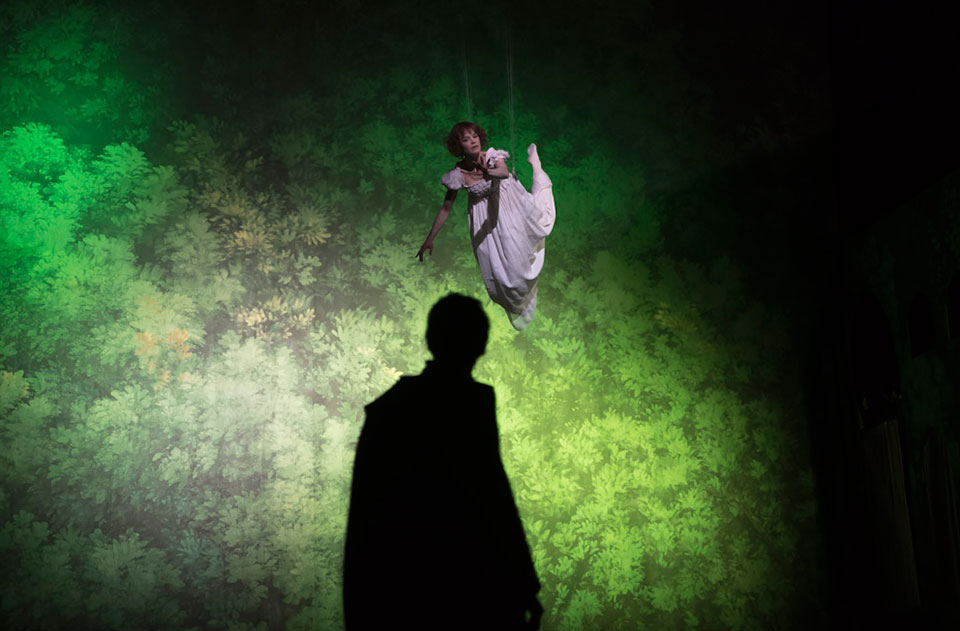
During the 2018/2019 season, she will be performing in Carlo Goldoni’s La Locandiera by Alain Françon, Pauline Bureau’s Hors la loi directed by the author and in the rerun of Jules Verne’s Twenty Thousand Leagues Under the Sea (20 000 lieues sous les mers) by Christian Hecq and Valérie Lesort.
Saison2025 - 2026
Découvrez les 29 saisons de Françoise Gillard passées à la Comédie-Française
Cette saison
adapted and directed by Sophie Bricaire
directed by Valérie Lesort and Christian Hecq
3rd cycle
Saisonpassées
-
-
by Molière
directed by Lilo Baur -
PARADOXE(S)
The motto, Simul et singulis, instantly places them at the heart of a paradox: being together and being oneself, at one time, in one place, within one entity. -
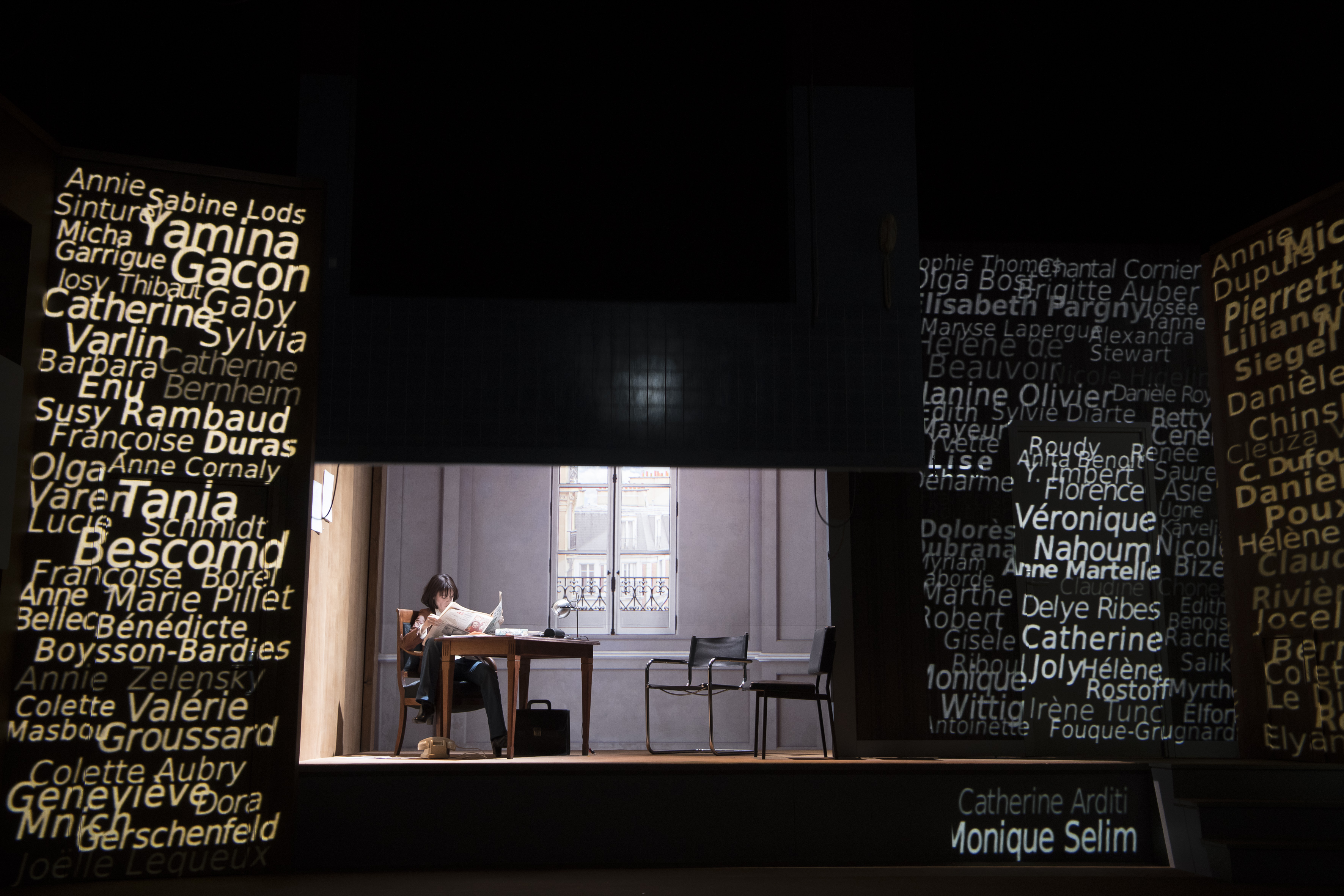
By Annie Ernaux, created and performed by Françoise Gillard
Premiered on April 19, 2017 at the Studio-Théâtre -
comedy-ballet by Molière
directed by Valérie Lesort and Christian Hecq -
after Carlo Collodi
adapted and directed by Sophie Bricaire -
Lecture d'extraits par Françoise Gillard et Dominique Blanc
présentée par Amélie Wendling
-
-
-
by Claudine Galea
Directed by Sandrine Nicolas -
Comedy-ballet by Molière
Directed by Valérie Lesort and Christian Hecq -
After Pénélope Bagieu
Directed by Justine Heynemann -
by Annie Ernaux
Directed and performed by Françoise Gillard -
d'Ingrid Astier
par Françoise Gillard
-
-
-
Adaptation Françoise Gillard et Amélie Wendling
Directed by Françoise Gillard -
artistic director Amélie Wendling
-
by Molière
Directed by Lilo Baur -
Luigi Pirandello
artistic director Marina Hands
-
-
-
by Stefano Massini
directed by Maëlle Poésy -
de Jean-Luc Lagarce
Mise en scène Glysleïn Lefever -
by Molière
Directed by Lilo Baur -
by Molière
artistic direction by Géraldine Martineau -
Comedy-ballet by Molière
Directed by Valérie Lesort and Christian Hecq -
by Molière
artistic direction by Jérôme Pouly
-