Didier
Sandre
le 1st November 2013

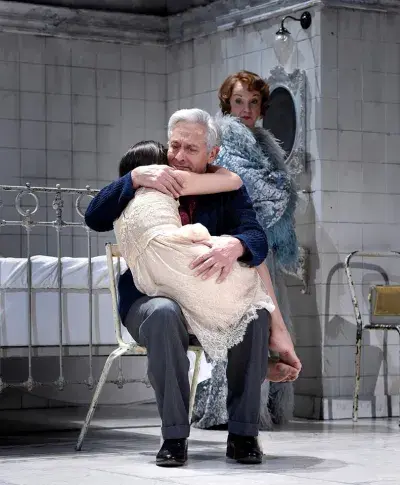
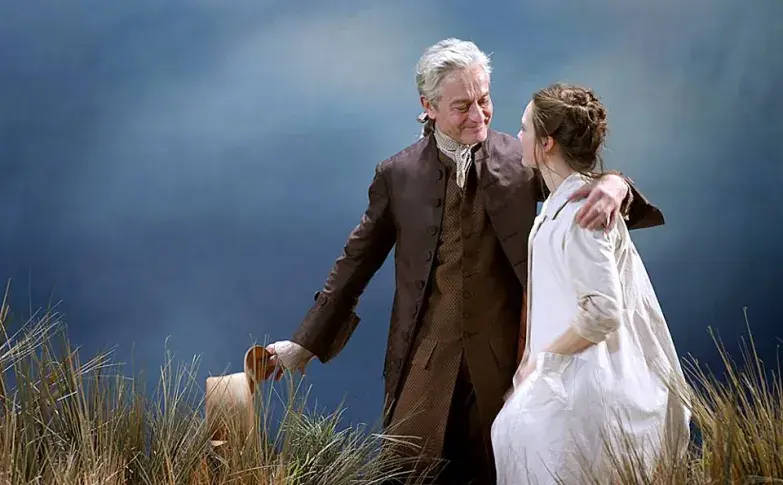
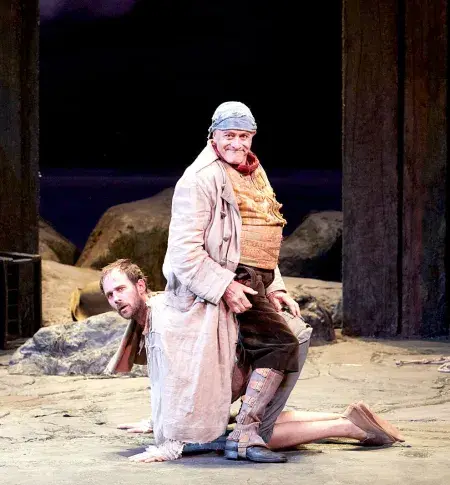
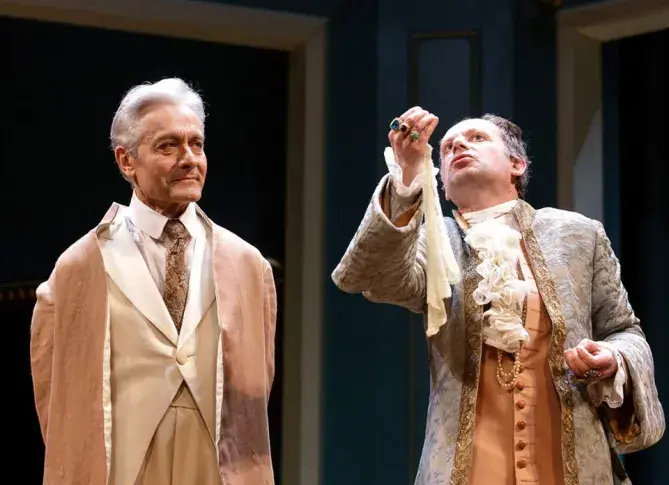
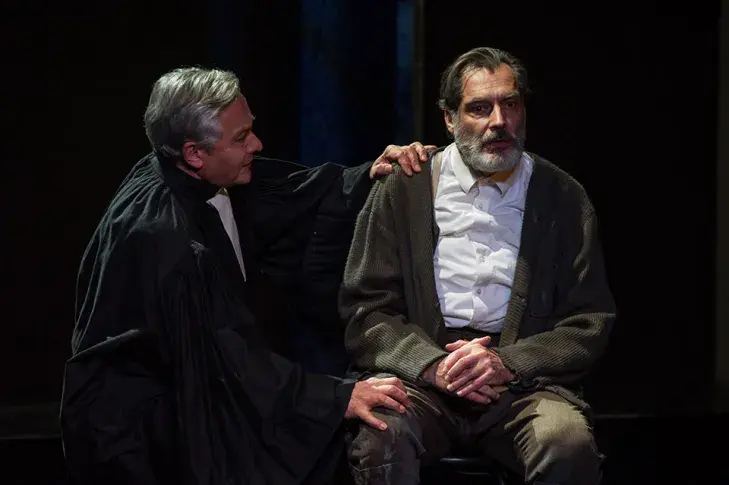
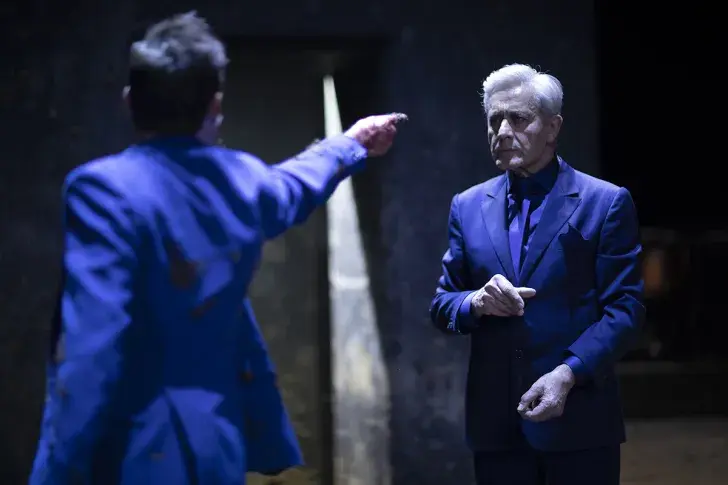
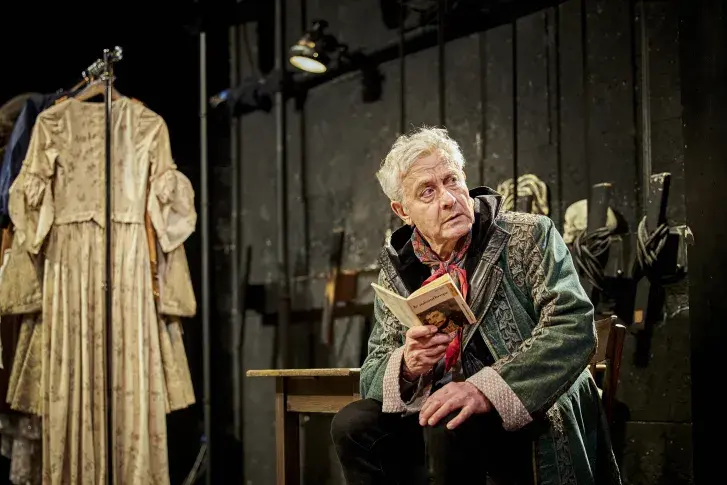
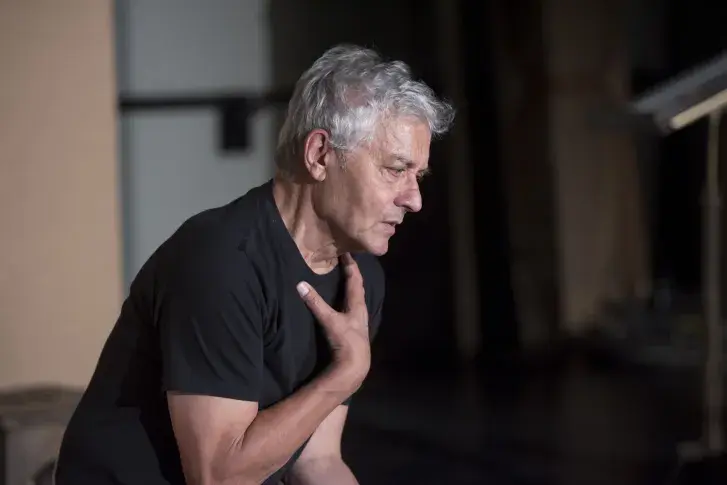
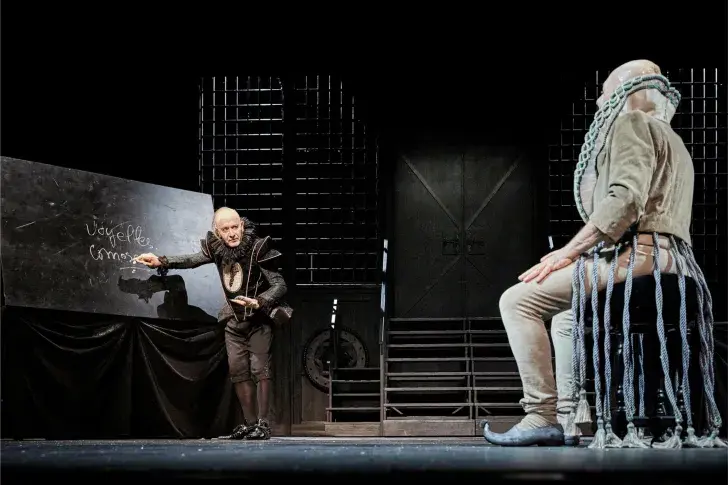
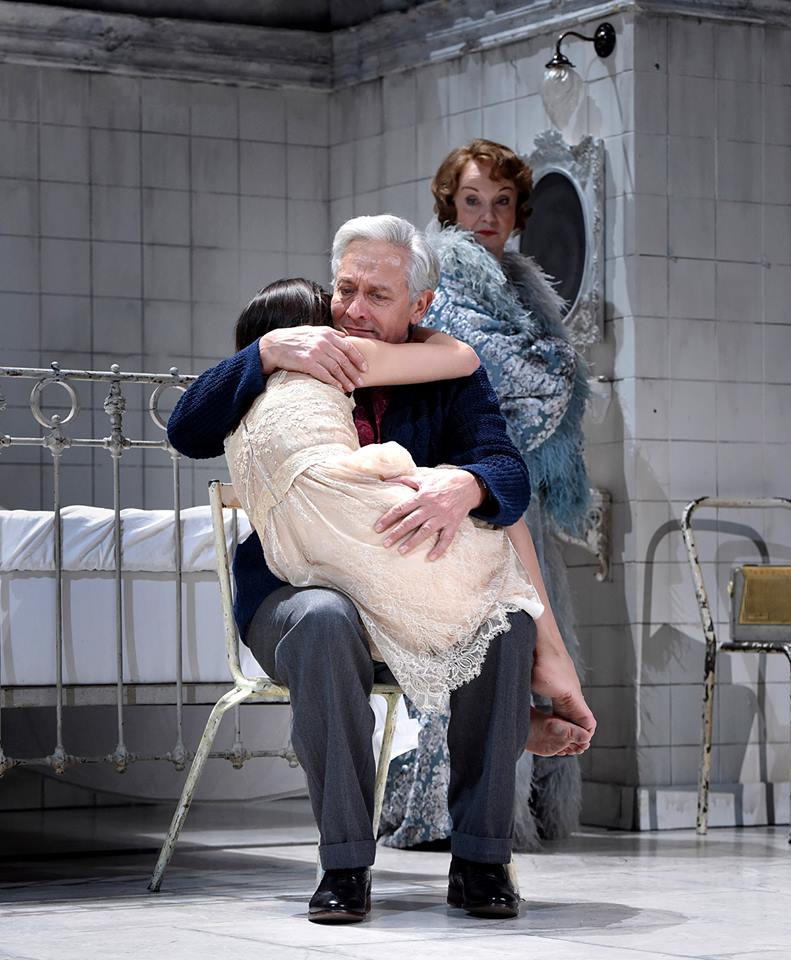
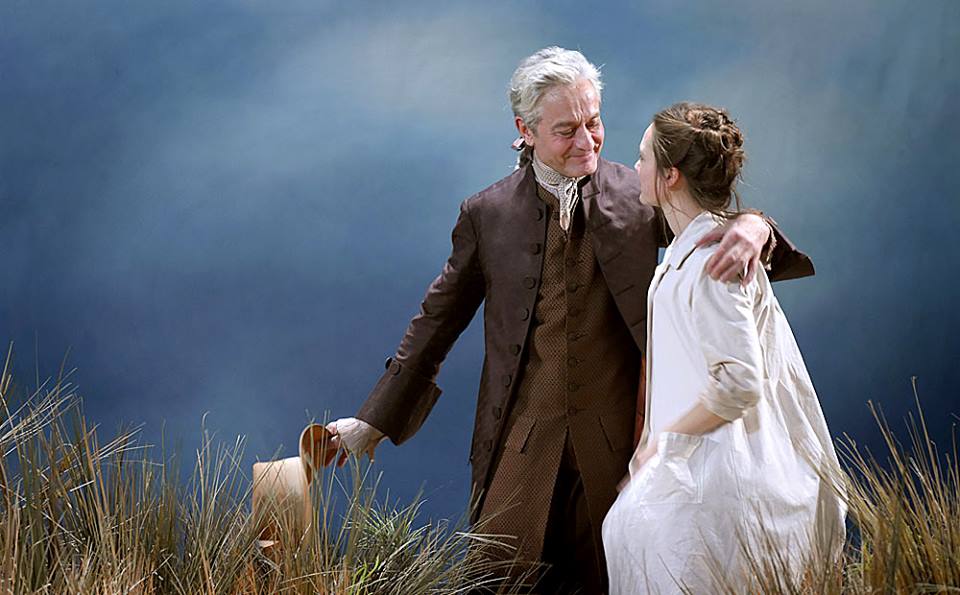
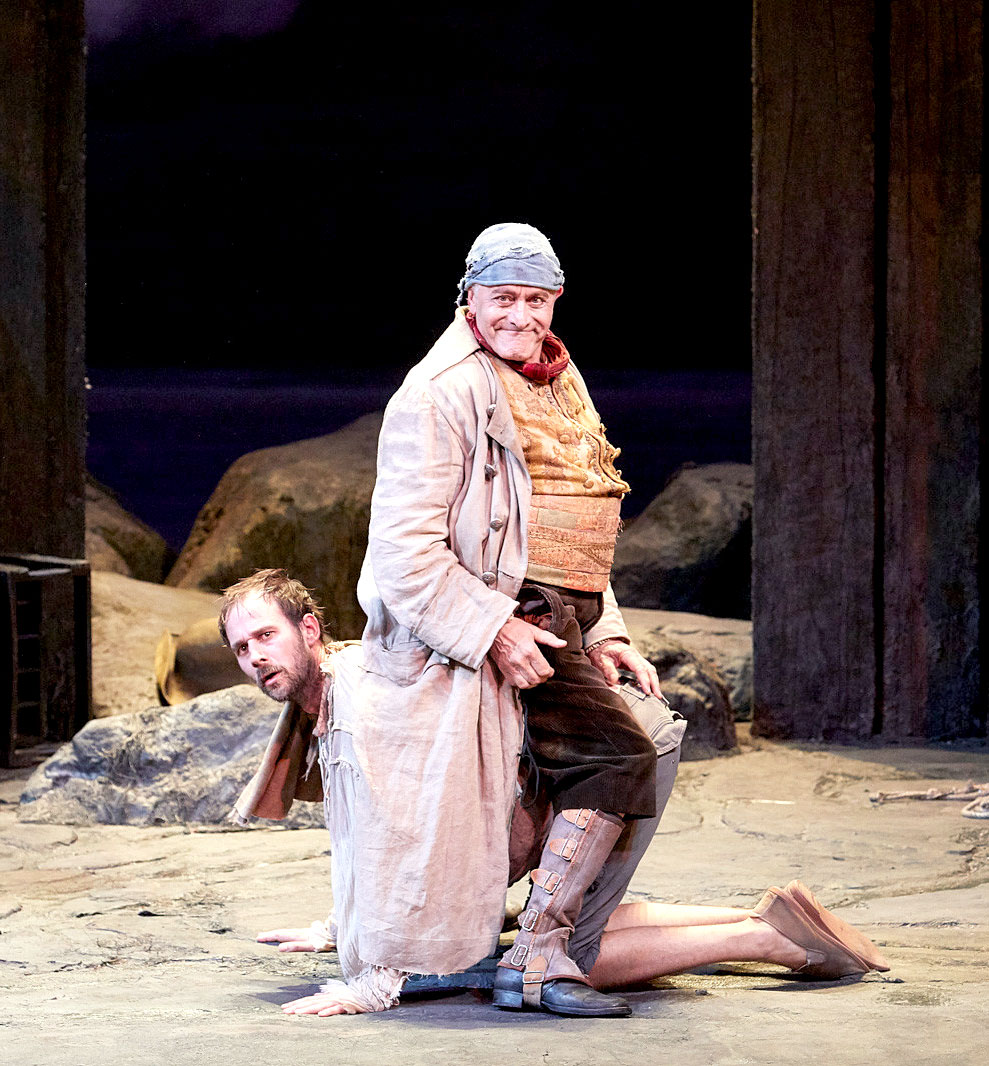
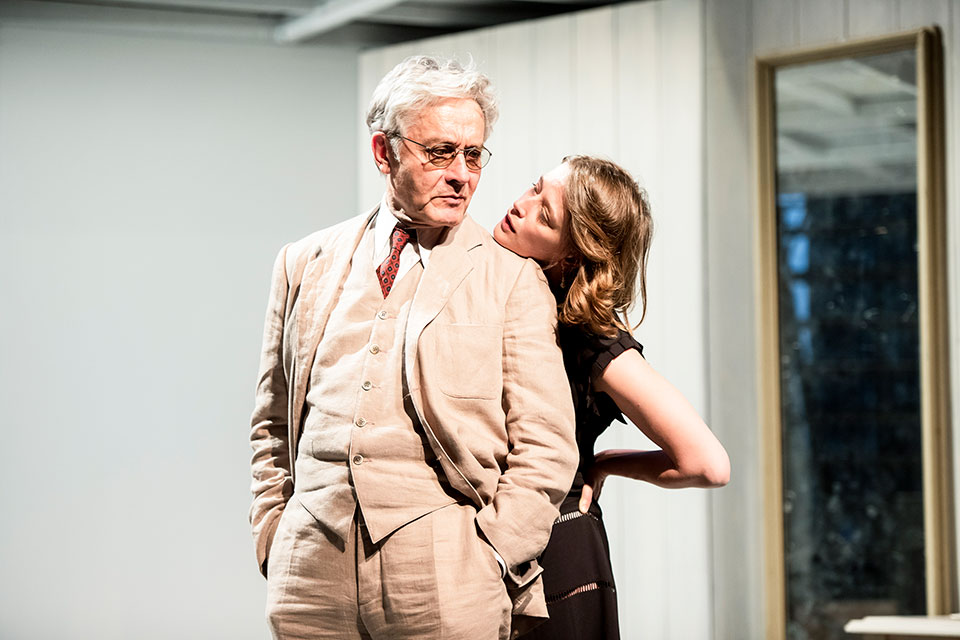
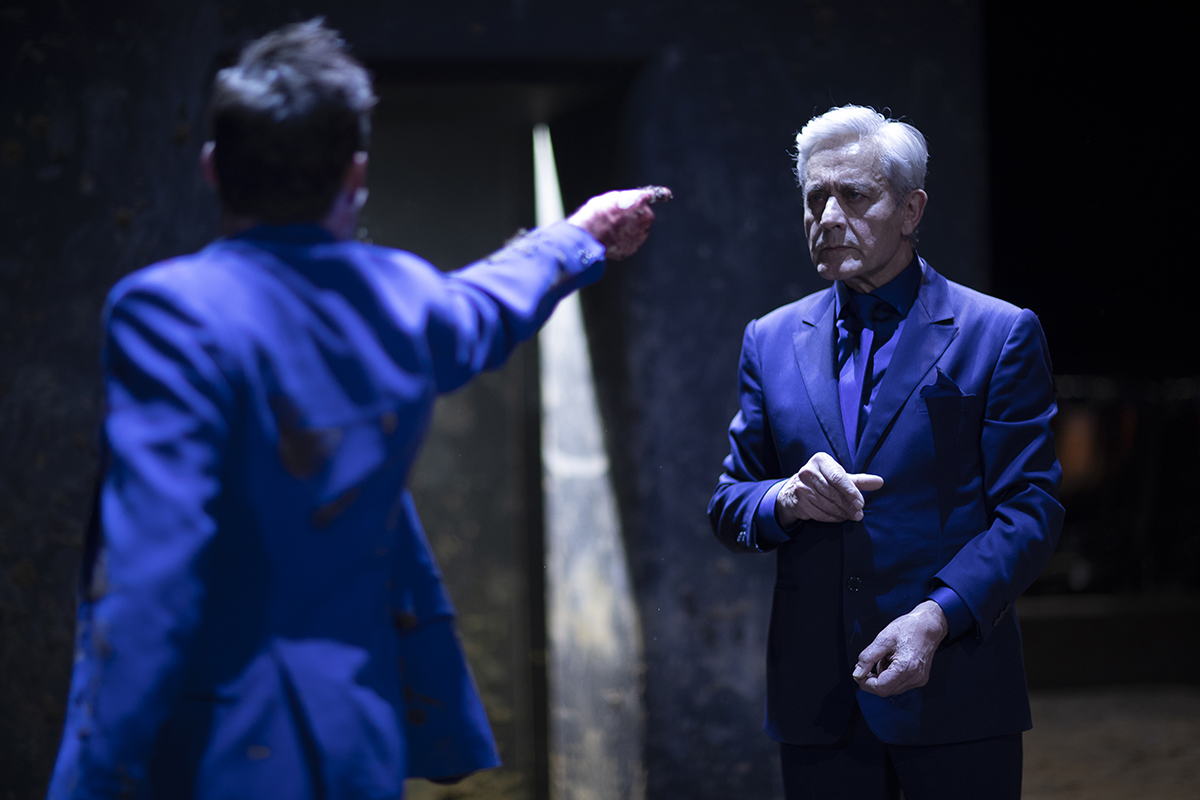
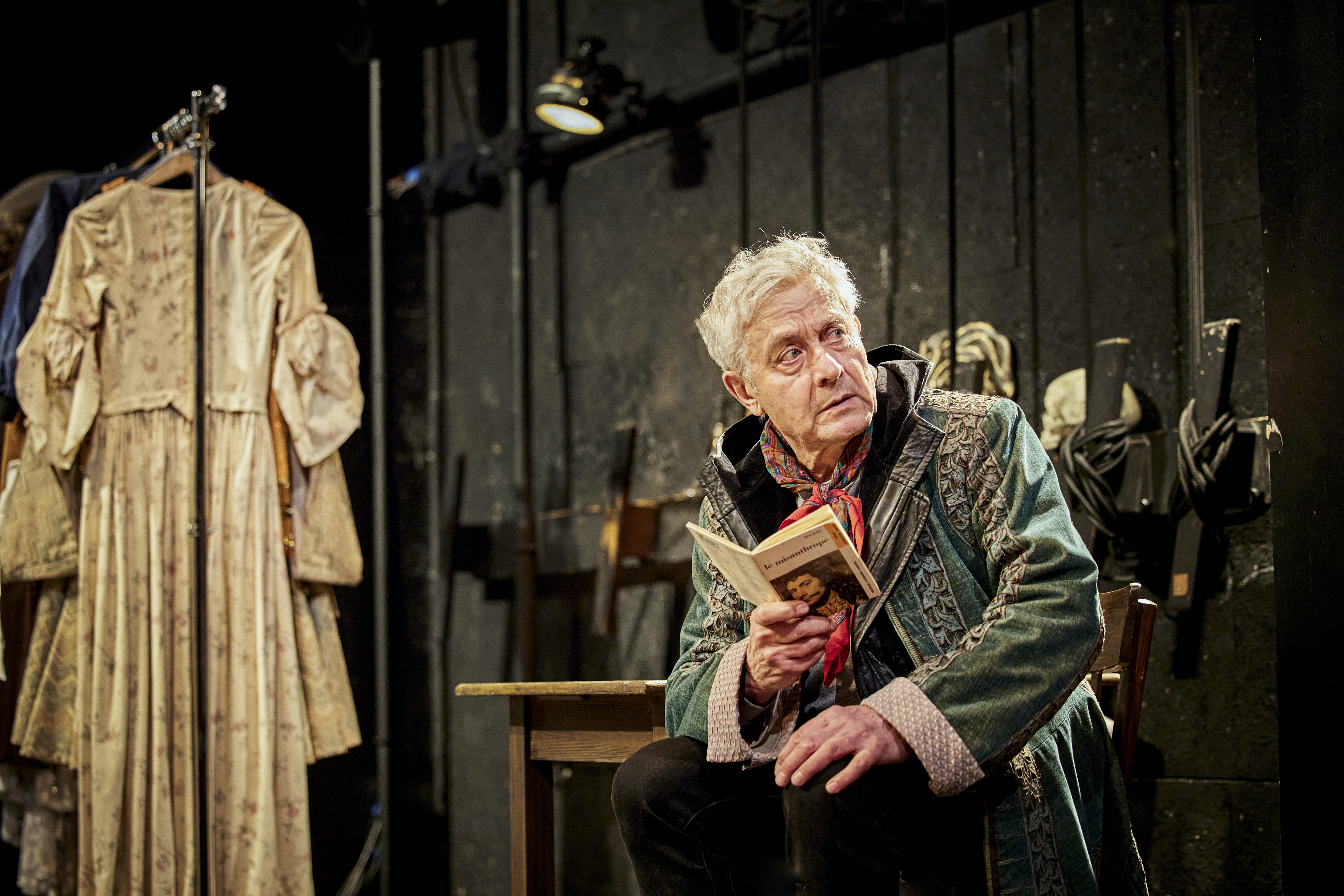
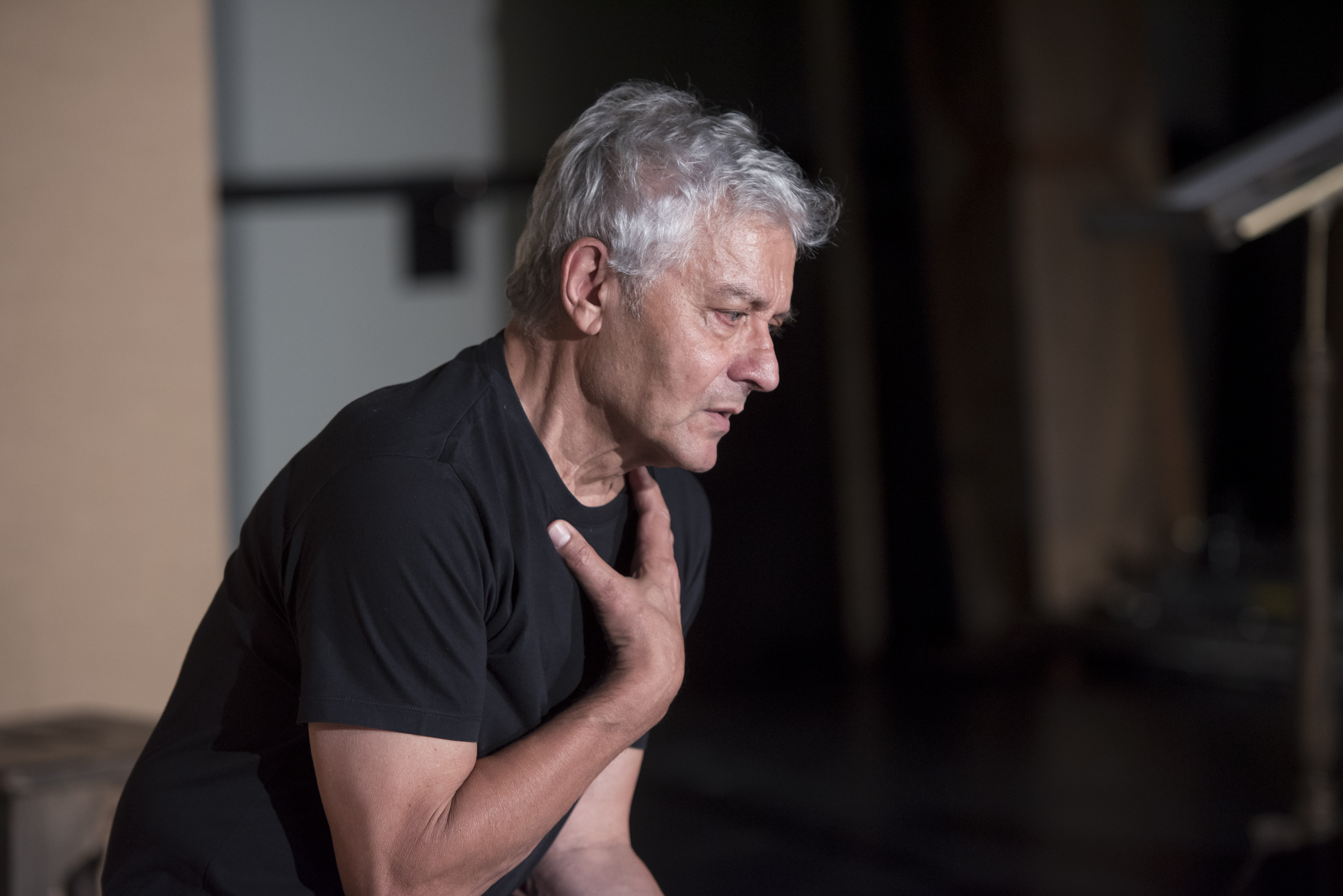
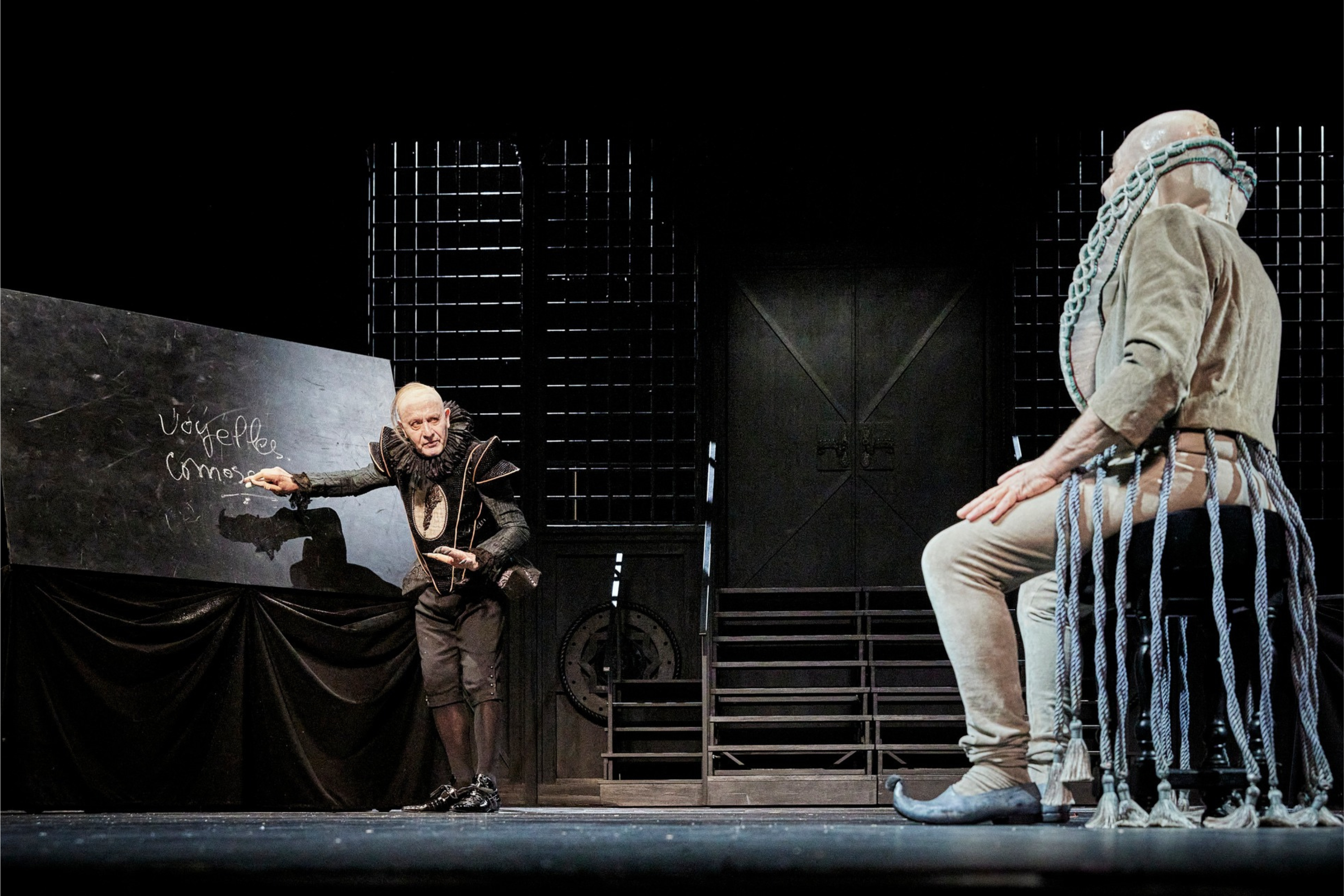
Didier Sandre has been pensionnaire of the Comédie-Française since the 1st of November 2013 and had made his debut in Friedrich Dürrenmatt’s The Visit (La Visite de la vieille dame) under the direction of Christophe Lidon. As part of the company, he has interpreted Orgon in Molière’s Tartuffe staged by Galin Stoev and Capulet in Éric Ruf’s staging of Shakespeare’s Romeo and Juliet. In July 2016, Didier Sandre performed Baron von Essenbeck in Ivo van Hove’s adaptation of Visconti The Damned. For Denis Podalydès, he played Guiche in Edmond Rostand’s Cyrano de Bergerac and Géronte in Molière’s Les Fourberies de Scapin. Anne Kessler entrusted him with Gustaf’s part in August Strindberg’s The Creditors.
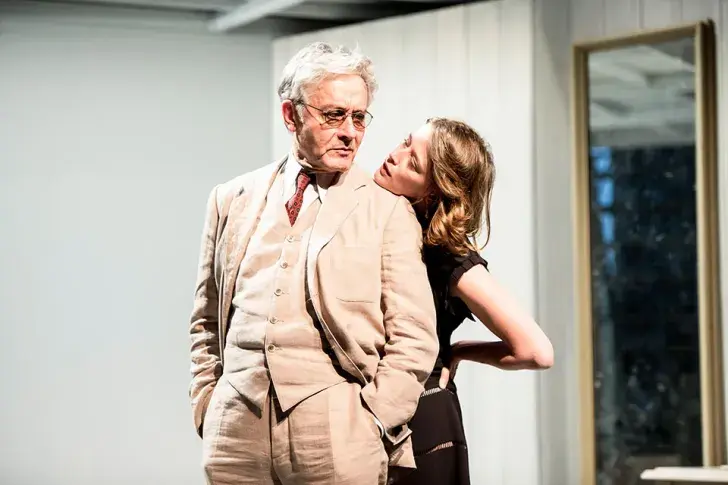
As a child, Didier Sandre dreamed of becoming a dancer or a musician, and ultimately chose the theatre. The Russian Tania Balachova taught him the Stanislavski method before he became an intern with directors Jerzy Grotowski and Eugenio Barba. In 1968, Catherine Dasté hired him for La Pomme Verte, her theatre company for the young audience. Didier Sandre’s career took off thanks to a demanding repertoire directed by renowned directors. There, he performed in the following plays among others: Molière’s Dom Juan, Shakespeare’s The Tempest and Jakob Lenz’s Der Hofmeister (Le Précepteur) all staged by Bernard Sobel; in the four plays by Molière first shown in Avignon and subsequently in Paris directed by Antoine Vitez; and Ibsen’s Peer Gynt, Genet’s Les Paravents and Marivaux’s La Fausse suivante directed by Patrice Chéreau. Giorgio Strehler directed him in Corneille’s L’Illusion comique, while Claudia Stavisky directed him in Georges Feydeau’s Monsieur Chasse and Roland Schimmelpfennig’s Die Frau von früher (La Femme d’avant). Luc Bondy cast him for two plays by Arthur Schnitzler: Das weite Land (Terre étrangère) and Der einsame Weg (Chemin solitaire). Hans Peter Cloos directed him in August Strindberg’s The Dance of Death (Danse de mort) in which he starred beside Charlotte Rampling. In 1987, the National Critics Association (Syndicat national de la critique) rewarded him for his roles in Mishima’s Madame de Sade, Beaumarchais’s Le Mariage de Figaro and Claudel’s Le Soulier de Satin. Not only has Didier Sandre made a great contribution to hours of entertainment in subsidized theatres, but he has also made an impression in the realm of private theatre. His interpretation of Lord Goring in Oscar Wilde’s The Ideal Husband, as directed by Adrian Brinem, earned him a Molière Award in 1996. In 2013 he received the Brigadier Award for playing Stefan Zweig in Roland Harwood’s Collaboration beside Michel Aumont and Christiane Cohendy.
Didier Sandre is also a movie actor. He has been directed by Romain Goupil in La Java des ombres; Pascale Ferran in Petits arrangements avec les morts; Eric Rohmer in Conte d’automne; Lucas Belvaux in 38 Témoins and Pas son genre; Agnès Jaoui in Au bout du conte and Catherine Corsini in Un amour impossible. He has acted in multiple television features films, such as L’Allée du Roi and À la recherche du temps perdu both directed by Nina Companeez. He regularly collaborates with musicians on programs including music, literature and poetry.
Didier Sandre is Chevalier of the Legion of Honour, Chevalier of the Order of Arts and Letters and Chevalier of the National Order of Merit.
Saison2025 - 2026
Découvrez les 13 saisons de Didier Sandre passées à la Comédie-Française
Cette saison
by Jon Fosse
directed by Gabriel Dufay
translation Camilla Bouchet, Gabriel...
a...
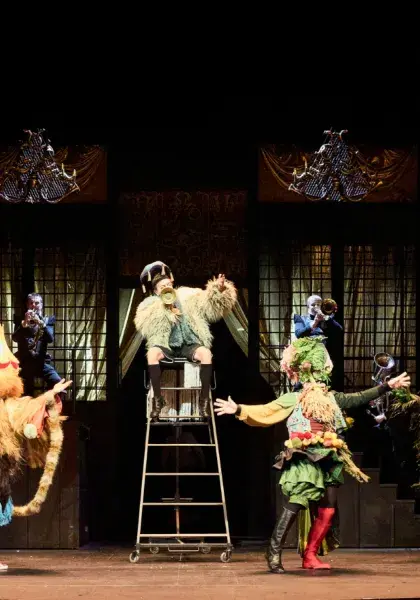
directed by Valérie Lesort and Christian Hecq
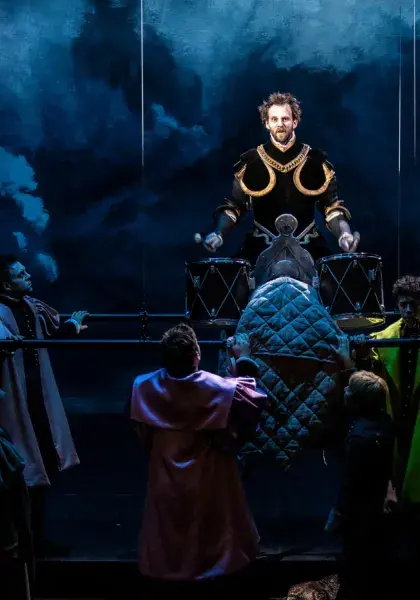
directed by Denis Podalydès
Saisonpassées
-
-
By Molière, directed by Denis Podalydès
-
after Molière et la comédie classique by Louis Jouvet
adapted and directed by Lisa Guez -
by Paul Claudel
staged and directed by Éric Ruf -
by Pierre Corneille
directed by Suliane Brahim
made by Clément Gaubert -
comedy-ballet by Molière
directed by Valérie Lesort and Christian Hecq -
by Paul Claudel
staged and directed by Éric Ruf
-
-
-
Public reading
-
PARADOXE(S)
The motto, Simul et singulis, instantly places them at the heart of a paradox: being together and being oneself, at one time, in one place, within one entity. -
Comedy-ballet by Molière
Directed by Valérie Lesort and Christian Hecq -
by Molière
Directed by Denis Podalydès -
adapted from Fiodor Dostoïevski
Adapted by Erwin Mortier
Translate by Marie Hooghe
Directed by Guy Cassiers
-
-
-
artistic director Amélie Wendling
-
after Euripide
Translated by Florence Dupont
Adaptated and directed by Lisaboa Houbrechts
-
Paul Claudel
devised and performed by
Didier Sandre -
by Marivaux
Directed by Clément Hervieu-Léger
-
-
-
d’après J. M. Coetzee
Adaptation et mise en scène Camille Bernon et Simon Bourgade -
by Molière
artistic direction by Hervé Pierre
bifrontal system -
after Molière et la comédie classique by Louis Jouvet
Adapted and directed by Lisa Guez -
by Molière
artistic direction by Véronique Vella
bifrontal system -
by Molière
Directed by Denis Podalydès -
Comedy-ballet by Molière
Directed by Valérie Lesort and Christian Hecq
-